

How Concept Based Learning Fosters Deeper Understanding in Early Years Education
Concept based learning is an approach that focuses on big ideas, rather than memorizing facts. It encourages children to explore underlying concepts that connect knowledge across subjects, helping them understand not just what they learn, but why it matters.
At La Petite Ecole Ho Chi Minh City, this approach is central to the early years curriculum, allowing children to engage with ideas in ways that are meaningful, motivating, and relevant to their everyday experiences. By fostering curiosity and inquiry, children develop a strong foundation for lifelong learning.
Key Takeaways
- Concept based learning helps children understand big ideas, rather than memorizing isolated facts, making learning more meaningful and connected.
- By exploring concepts such as change, patterns, and relationships, children build critical thinking, curiosity, and problem-solving skills.
- This approach encourages learners to apply what they understand in new situations, both in and beyond the classroom.
- Concept based learning supports creativity, confidence, and adaptability, helping children engage more deeply with their learning.
- When children see how ideas connect to real life, they are more likely to stay motivated and enjoy learning.
What Is Concept Based Learning?
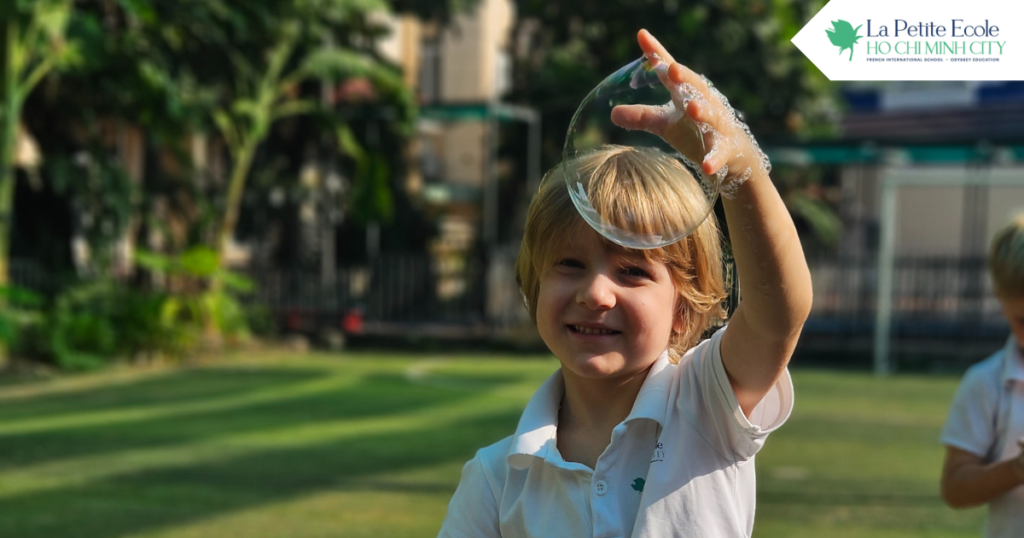
Concept based learning is an approach where children focus on understanding core ideas, rather than simply memorizing facts. It helps them see connections across subjects and apply knowledge in meaningful ways.
For example, concepts like change, patterns, relationships, and perspective can link science, math, language, and social studies. A child exploring “change” might observe how plants grow, how seasons shift, or how communities adapt over time, connecting these experiences across different learning areas.
This approach fosters curiosity, creativity, and critical thinking, giving children tools to explore, reflect, and solve problems. It also supports skills that are transferable beyond the classroom, helping children make connections to everyday life.
How Concept Based Learning Works in the Classroom
In practice, concept based learning is learner-centered. Educators guide children to explore central concepts through activities that encourage inquiry, reflection, and discovery.
For instance, a unit on growth might include:
- Science experiments: observing plant growth or animal development.
- Art projects: illustrating patterns found in nature.
- Storytelling and discussion: exploring how communities or individuals change over time.
Rather than focusing on memorizing information, children are encouraged to ask questions, investigate ideas, and reflect on their learning. Educators provide guidance and support, helping learners make connections across subjects and relate concepts to their own experiences.
Benefits of Concept Based Learning for Children
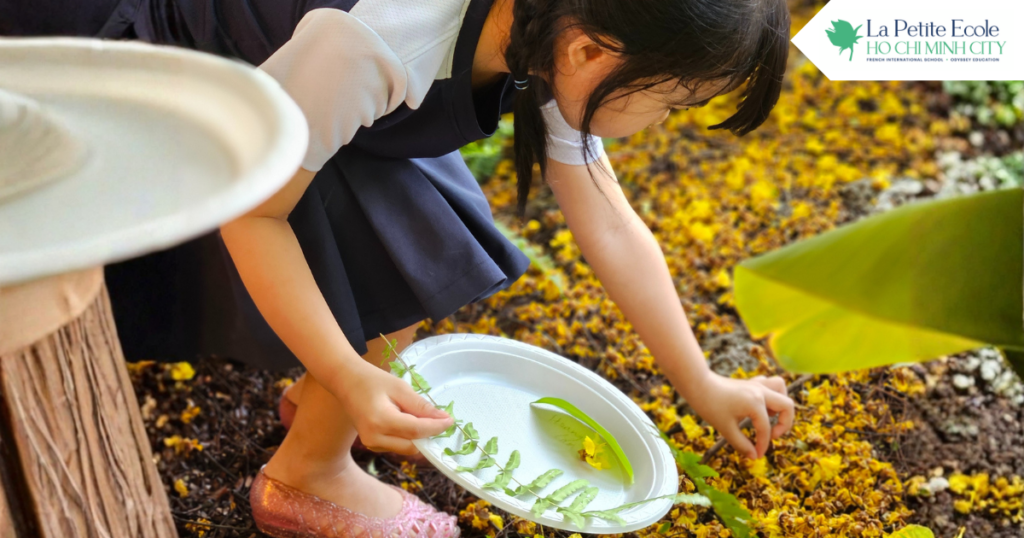
Concept based learning offers lasting benefits that support children’s overall development and love for learning:
- Deeper understanding: Children grasp ideas that connect multiple subjects, moving beyond memorizing isolated facts.
- Curiosity and motivation: Exploring meaningful concepts inspires children to ask questions, seek answers, and enjoy the learning process.
- Critical thinking and problem-solving: Learners develop the ability to analyze, evaluate, and apply knowledge in new situations.
- Creativity and collaboration: Integrating ideas across subjects encourages imaginative thinking and teamwork on projects.
These benefits become visible as children tackle real-world challenges, make connections between ideas, and develop confidence in applying what they learn beyond the classroom. By fostering these skills early, children build a strong foundation for future learning and adaptability.
Concept Based Learning at La Petite Ecole Ho Chi Minh City
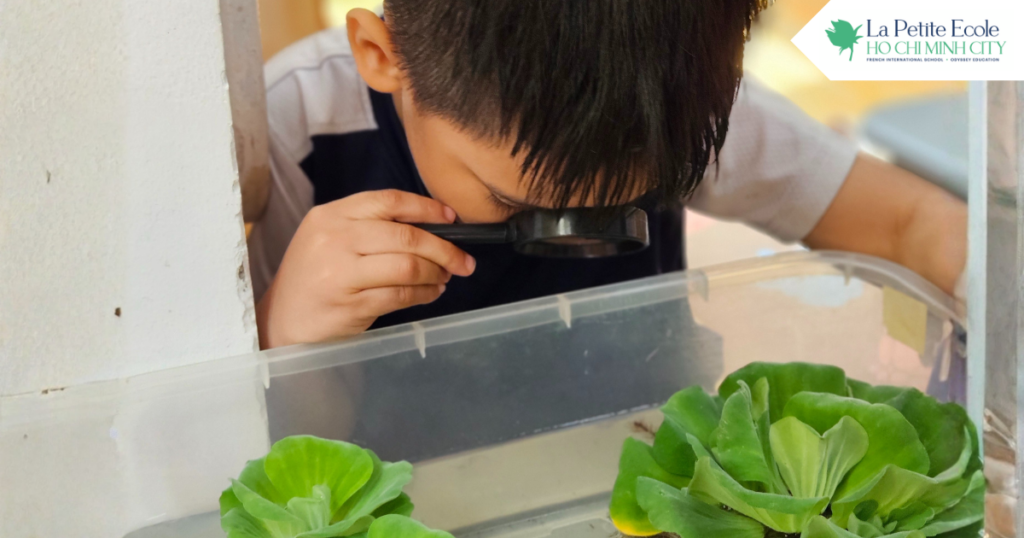
At La Petite Ecole Ho Chi Minh City, classrooms are designed to foster active exploration, curiosity, and meaningful connections:
- Project-based activities: Children engage in hands-on projects that integrate multiple subjects. For example, they might create a small vegetable garden, exploring growth in science, patterns in math, and teamwork in social skills.
- Hands-on experiments: Learners test hypotheses, observe results, and reflect on their discoveries, whether it’s studying water cycles, plant growth, or simple physics experiments.
- Discussions and storytelling: Through sharing ideas and experiences, children connect concepts across subjects and develop communication skills. Storytelling activities, for instance, help them link lessons in culture, language, and creativity.
- Reflection time: Children regularly reflect on what they’ve learned, how ideas relate to one another, and how knowledge applies to daily life. This encourages self-awareness and deeper understanding.
By participating in these activities, students at La Petite Ecole Ho Chi Minh City learn to connect knowledge across disciplines, strengthen critical thinking, and develop skills that prepare them for future challenges in both school and everyday life.
Concept Based Learning vs Traditional Approaches
Traditional education focuses on memorization and repetition, where children recall facts and follow instructions without fully understanding the bigger picture. In contrast, concept based learning emphasizes understanding the “why” and “how”, encouraging children to explore, ask questions, connect ideas across subjects, and apply knowledge creatively.
For example, instead of memorizing the water cycle, children might observe how water moves, ask questions, and explore how change affects other areas.
Key differences:
- Traditional learning focuses on what happens; concept based learning explores why it happens.
- Traditional learning develops recall skills; concept based learning develops critical thinking, problem-solving, and creativity.
- Traditional learning is often passive; concept based learning is active and inquiry-driven.
- Traditional learning applies mostly in classroom exercises; concept based learning prepares children to transfer knowledge to real-life situations.
By highlighting these differences, it’s clear that concept based learning helps children think independently, connect ideas, and engage meaningfully with the world, while traditional approaches focus more on memorization and following instructions.
Real-World Application and Future Readiness
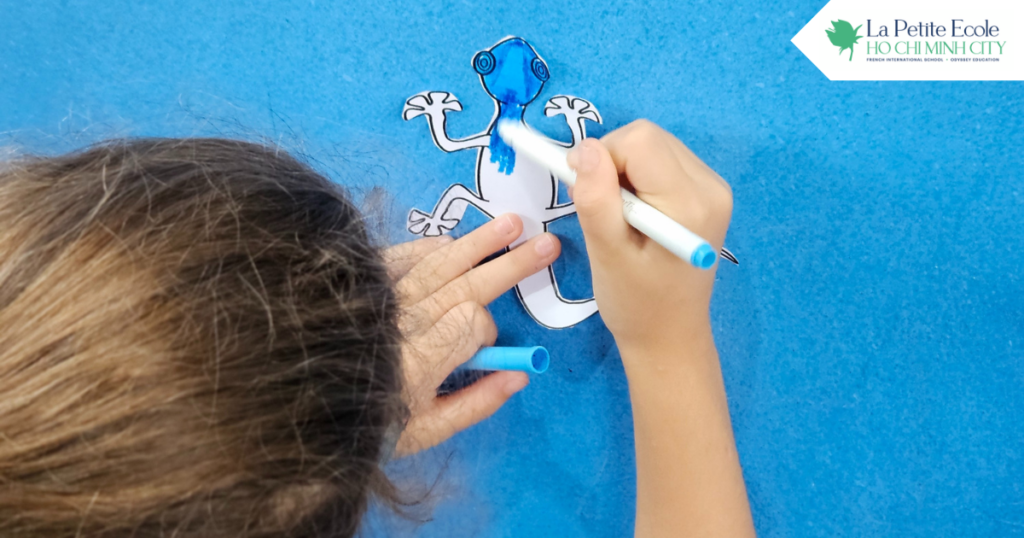
When children engage in conceptual learning, they begin to use ideas in practical, everyday situations rather than keeping knowledge limited to the classroom.
Some examples include:
- Understanding change
Children observe how plants grow over time, notice how weather affects daily routines, or reflect on how they themselves have grown since the start of the school year. These experiences help them adapt to new situations with confidence. - Recognizing patterns
Children identify patterns in numbers, nature, music, or daily schedules. They may notice repeating shapes in buildings, rhythms in songs, or routines at home, helping them organize information and make predictions. - Exploring relationships
Through group activities, children learn how teamwork influences outcomes, how family members support one another, or how communities function together. This supports communication, empathy, and problem-solving. - Developing perspective
Children listen to different viewpoints during discussions or storytelling, learning that people may think or feel differently based on their experiences. This encourages open-mindedness and respect for diversity.
By connecting concepts to real-life experiences, children gradually learn to:
- Approach challenges from multiple viewpoints
- Apply familiar ideas in new or unfamiliar situations
- See learning as relevant to life beyond school
At La Petite Ecole Ho Chi Minh City, these connections help children build confidence, adaptability, and skills that continue to support their growth both inside and outside the classroom.
Unlock Your Child’s Potential with Concept Based Learning
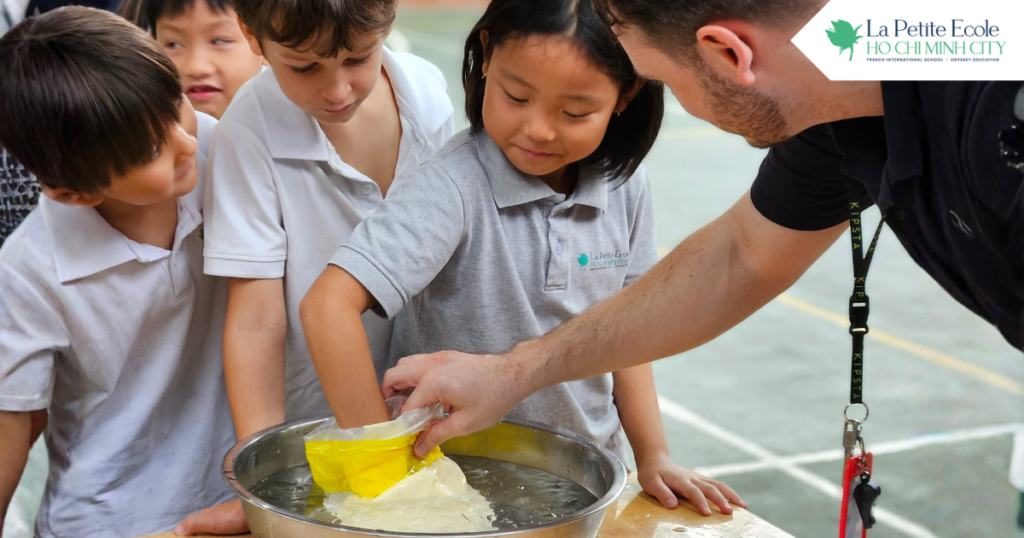
Concept based learning helps children explore big ideas, make meaningful connections, and develop critical thinking, creativity, and problem-solving skills. By focusing on understanding rather than memorization, children become more curious, confident, and adaptable, ready to apply their knowledge both in school and in everyday life.
At La Petite Ecole Ho Chi Minh City, we create an environment where children can discover, reflect, and grow through engaging, inquiry-based learning experiences.
If you want your child to experience the benefits of concept based learning firsthand, we invite you to contact us or book a visit to see how our classrooms foster curiosity, creativity, and lifelong skills.
- Phone: 028 3519 1521
- Email: contact@lpehochiminh.com
- Address: 172 – 180 Nguyen Van Huong, An Khanh Ward, Ho Chi Minh City
Frequently Asked Questions About Concept Based Learning
1. What is concept based learning?
Concept based learning focuses on helping children understand big ideas and core concepts, rather than memorizing facts. It encourages learners to make connections across subjects and apply their understanding in different situations.
2. How is concept based learning different from traditional learning?
Traditional learning often emphasizes recall and repetition, while concept based learning focuses on understanding the “why” and “how”, encouraging children to explore, ask questions, and connect ideas across subjects.
3. What skills does concept based learning support?
This approach supports critical thinking, problem-solving, creativity, curiosity, and adaptability, helping children apply what they understand in real-life contexts.
4. Is concept based learning suitable for young children?
For many children, concept based learning can be engaging because it encourages exploration and curiosity. The way it is applied may vary depending on children’s interests, developmental stages, and cultural backgrounds.
5. How does concept based learning help beyond the classroom?
By focusing on understanding rather than memorization, children learn to transfer knowledge to new situations, helping them navigate everyday experiences with confidence and curiosity.