

How to Foster Responsibility in Children (By Age & Everyday Activities)
Responsibility is one of those qualities that quietly shapes a child’s confidence, independence, and relationships over time. It doesn’t appear overnight, and it rarely comes from a single lesson. Instead, it grows through everyday experiences, small decisions, and repeated opportunities to take part in daily life.
For families in a diverse and international city like Ho Chi Minh City, perspectives on responsibility can vary widely. Some children may already be used to structured routines, while others may be exploring independence more gradually. What matters most is creating an environment where children can take part, try things for themselves, and feel supported as they grow.
This guide explores how responsibility can develop naturally in children up to 11 years old, with practical ideas that fit into everyday life.
Key Takeaways
- Responsibility in children develops through everyday experiences, not one-time lessons
- Small, consistent routines help build long-term responsible habits
- Children benefit from taking part in daily life, such as organizing belongings or helping with simple tasks
- Offering choices and space for independence supports confidence and ownership
- Natural outcomes can help children understand the impact of their actions
- Responsibility grows differently for each child, depending on their age, personality, and environment
- A supportive and structured environment encourages children to take initiative over time
What Responsibility Looks Like in Children
Responsibility in childhood is often associated with chores, but it goes far beyond that. It includes:
- Following through on simple tasks
- Taking care of personal belongings
- Participating in shared activities
- Beginning to understand how actions affect others
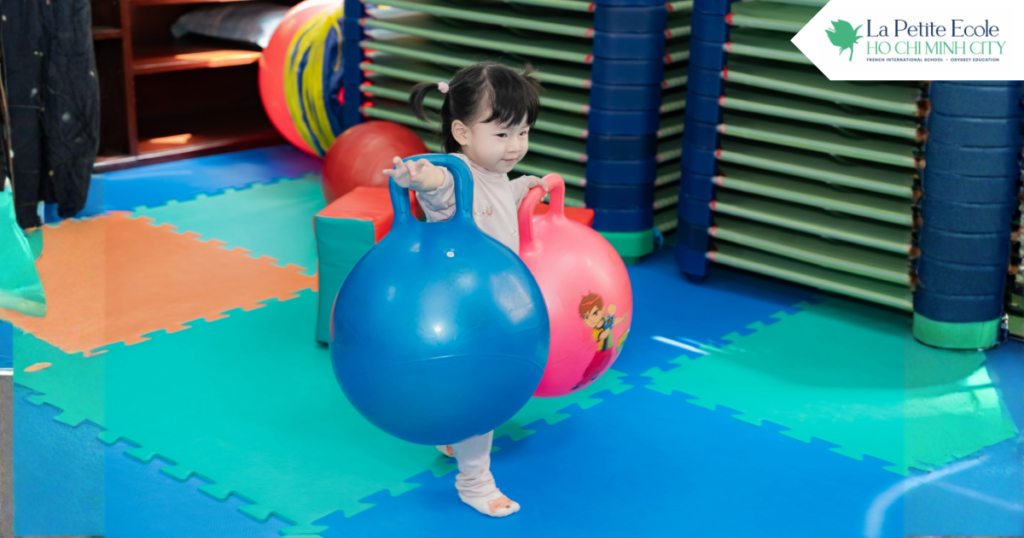
For younger children, responsibility might look like putting toys back after playing. For older children, it could involve organizing school materials or contributing to group tasks.
Rather than focusing only on outcomes, responsibility is better understood as a process. It’s about children gradually recognizing that their actions matter and that they can take an active role in their environment.
Responsibility as a Habit That Grows Over Time
One of the most important aspects of responsibility is consistency. Children don’t become responsible through occasional reminders or one-off activities. Instead, responsibility develops through repeated, everyday moments.
For example:
- Putting shoes away after coming home
- Helping set the table before meals
- Packing a school bag each evening
These small actions, when repeated regularly, begin to form habits. Over time, children start to carry out these tasks with less prompting, not because they are told to, but because the routine feels familiar.
Consistency also provides a sense of security. When expectations are predictable, children are more likely to understand what is expected of them and feel confident taking part.
How Responsibility Develops at Different Stages
Children experience responsibility differently depending on their age and stage of development. Each child grows at their own pace, and family routines, culture, and individual temperament can all shape how responsibility develops.
Nursery
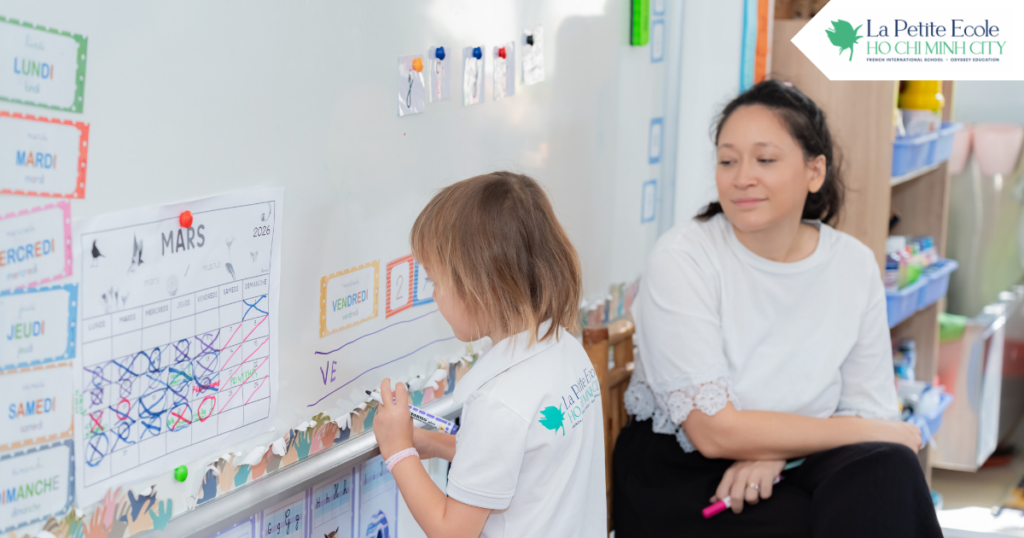
At this stage, responsibility is closely linked to participation, imitation, and daily routines.
Children may:
- Put toys away with guidance
- Begin simple self-care routines such as washing hands
- Help with small everyday tasks alongside adults
The focus is not on completing tasks independently. It is about being involved, feeling included, and becoming familiar with routines.
Early Years
As children grow, they begin to understand that their actions can contribute to the group.
Children may:
- Put personal belongings in the right place
- Follow familiar routines with less support
- Help prepare materials for activities or tidy shared spaces
At this stage, responsibility often develops through repetition, encouragement, and predictable routines.
Early Primary Years
As children move into primary school, they often begin to take more ownership of their actions.
They may:
- Manage personal belongings such as bags, books, or clothing
- Follow simple instructions independently
- Take part in getting ready for school or activities
Many children at this stage enjoy having clear roles. Looking after something small can help foster motivation and engagement.
Later Primary Years
Older children are often more able to plan, reflect, and consider the impact of their choices.
They may:
- Organize tasks with less support
- Contribute to shared responsibilities in a group
- Begin to understand consequences more clearly
Responsibility at this stage is not only about completing tasks. It also includes decision-making, self-management, and accountability.
Why Responsibility Matters in a Child’s Development
Responsibility plays an important role in how children grow, shaping not only what they can do, but also how they see themselves and interact with others. Through everyday experiences, children begin to understand that their actions have meaning and impact.
Builds Confidence and Independence
When children take part in simple, meaningful tasks, they start to feel more capable. Over time, this can:
- Strengthen confidence
- Encourage independence
- Help children take initiative in daily situations
Supports Social Development
Responsibility also develops through interactions with others. In shared environments, children learn to:
- Take turns and cooperate
- Contribute to group activities
- Understand how their actions affect others
These experiences can support empathy and stronger relationships.
Encourages Decision-Making
When children are given space to make small choices, they begin to:
- Think about outcomes
- Reflect on their actions
- Develop a sense of ownership
This helps build early accountability in a natural way.
8 Tips to Foster Responsibility in Children
Responsibility grows best when it is part of daily life rather than something separate. Here are practical ways to support this process.
-
Involve Children in Daily Routines
Daily routines offer natural opportunities for children to take part.
For example:
- Setting the table
- Tidying shared spaces
- Preparing simple items for school
When children are included in these activities, they begin to see themselves as contributors rather than observers.
-
Offer Choices to Build Ownership
Giving children small choices can help them feel more in control of their actions.
Examples include:
- Choosing between two outfits
- Deciding the order of tasks
- Selecting a book to read before bed
These choices allow children to experience responsibility in a manageable way.
-
Encourage Problem-Solving
When challenges arise, it can be helpful to give children time to think through solutions.
For instance:
- “What could you do if your toy is missing?”
- “How can we make sure your bag is ready tomorrow?”
This approach encourages children to take an active role rather than relying entirely on adult direction.
Read more: Teaching Problem Solving Skills for Kids: Process and Practical Application
-
Model Responsible Behavior
Children observe closely how adults handle responsibilities.
They notice:
- How tasks are approached
- How commitments are followed through
- How mistakes are handled
Demonstrating calm and consistent behavior can have a strong influence on how children approach their own responsibilities.
-
Create Clear and Predictable Expectations
Children often feel more confident when they understand what is expected of them.
This doesn’t require strict rules, but rather:
- Clear routines
- Simple explanations
- Consistent follow-through
For example, if tidying up is part of the daily routine, keeping that expectation consistent helps children understand their role over time.
-
Allow Natural Consequences
Experiencing the outcomes of actions can support understanding.
For example:
- Forgetting a school item may mean managing without it for the day
- Leaving toys out may result in less space to play
These moments can gently highlight the connection between actions and outcomes without needing strong intervention.
-
Give Space Instead of Over-Helping
It can be tempting to step in quickly when a child struggles with a task. However, giving space can be just as important.
Children benefit from:
- Trying tasks independently
- Making small mistakes
- Finding their own solutions
Support can still be present, but allowing children to take the lead encourages confidence and persistence.
-
Recognize Effort and Progress
Acknowledging effort can help reinforce positive habits.
This might include:
- Noticing when a child completes a task independently
- Highlighting improvement over time
- Encouraging continued participation
Focusing on progress rather than perfection helps children stay motivated.
Common Challenges Families May Experience
Developing responsibility is not always a smooth process. It’s common for families to encounter challenges along the way.
-
When a Child Avoids Tasks
Some children may resist taking part in responsibilities.
In these situations, it can help to:
- Keep expectations simple
- Offer choices where possible
- Maintain a consistent routine
-
When Tasks Are Left Incomplete
Children may begin a task but not finish it.
Breaking tasks into smaller steps can make them more manageable. Gentle reminders can also support follow-through without creating pressure.
-
When Children Rely Too Much on Adults
If children frequently depend on adults to complete tasks, gradually reducing assistance can help.
This might involve:
- Stepping back during familiar routines
- Allowing extra time for the child to complete tasks independently
Over time, this can encourage greater confidence and initiative.
Creating an Environment That Supports Responsibility
The environment plays an important role in how responsibility develops.
A supportive environment may include:
- Emotional safety so children feel comfortable trying and making mistakes
- Encouragement that focuses on effort and participation
- Clear routines that provide structure
- Opportunities for independence within daily life
When children feel supported, they are more likely to engage with responsibilities willingly.
How La Petite Ecole Ho Chi Minh City Supports Responsibility in Children
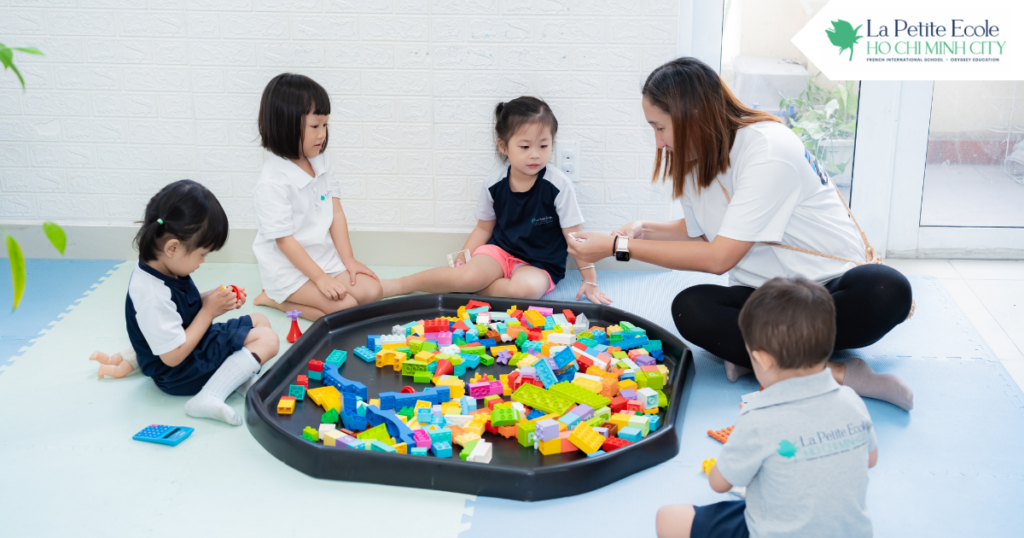
At La Petite Ecole Ho Chi Minh City, responsibility is encouraged through daily experiences that allow children to take an active role in their learning environment.
Rather than focusing only on outcomes, children are supported in building responsibility through participation, routine, and collaboration.
In the early years, this may involve simple actions such as:
- Taking part in tidying shared spaces
- Managing personal belongings with guidance
- Following classroom routines
As children grow, these experiences gradually expand. In primary years, children are encouraged to:
- Organize their materials and prepare for activities
- Contribute to group projects
- Take ownership of small responsibilities within the classroom
Responsibility is also connected to social interaction. Through collaborative activities, children begin to understand how their actions can affect others, which supports the development of empathy and cooperation.
Teachers provide a structured yet supportive environment where expectations are clear, while still allowing space for children to explore, make decisions, and learn from experience.
This approach reflects a broader understanding that responsibility develops over time, through consistent opportunities to participate and reflect.
Families interested in exploring this approach can visit or contact La Petite Ecole Ho Chi Minh City to learn more about its learning environment and daily experiences.
- Phone: 028 3519 1521
- Email: contact@lpehochiminh.com
- Address: 172 – 180 Nguyen Van Huong, An Khanh Ward, Ho Chi Minh City
The Long-Term Value of Responsibility in Childhood
Responsibility grows through everyday moments rather than isolated lessons. Small, consistent actions, like taking part in routines, making simple choices, and experiencing outcomes, gradually shape how children understand their role in the world.
Each child’s journey will look different, influenced by their personality, experiences, and environment. By creating opportunities for participation and allowing space for growth, families can support children in developing responsibility in a way that feels natural and meaningful.
Over time, these early experiences can contribute to a strong sense of independence, confidence, and connection with others.
Frequently Asked Questions About Responsibility in Children
-
What is responsibility for children?
Responsibility means children taking part in everyday tasks, following through on actions, and beginning to understand how their choices affect themselves and others.
-
At what age can children start developing responsibility?
Children can begin from an early age, often during nursery or early years, through simple actions like tidying toys or following routines. Responsibilities can grow over time based on the child.
-
Why is responsibility important for children?
Responsibility supports independence, confidence, and social awareness. It also helps children feel capable and involved in their environment.
-
What are some examples of responsibilities for kids?
Examples include putting toys away, helping with simple tasks, organizing belongings, and taking part in group activities.
-
What if my child refuses to take responsibility?
It can help to keep tasks simple, stay consistent, and offer choices. Giving children time to adjust is also important.
-
How can schools support responsibility in children?
Schools can support responsibility through structured routines, collaborative activities, and opportunities for children to take part in daily tasks.