

15 Tips on How to Choose the Best International School for Your Child
Choosing an international school in Ho Chi Minh City means matching the curriculum (French, IB, British/Cambridge or American), accreditation, teaching quality, location, facilities and tuition to your child’s needs and your family’s long-term goals. The right school keeps university options open while supporting your child academically, socially and emotionally.
Choosing the right international school for your child is a crucial decision that significantly impacts their academic growth and life skills development. A suitable school not only offers a high-quality curriculum but also provides a well-rounded environment to help children develop intellectually and emotionally. In this article, La Petite Ecole Ho Chi Minh City shares 15 tips on how to choose the right international school for your child, focusing on key factors such as educational quality, experienced faculty, and modern facilities to ensure your child receives a strong educational foundation.
Related post: Reasons to Choose An International School For Your Child
Key Takeaways
- Match the curriculum to your child’s future: French, IB, British/Cambridge and American pathways all lead to recognised qualifications, so the school within a pathway often matters more than the pathway itself.
- Verify accreditation: look for recognised bodies such as AEFE, IB World School, Cambridge International (CIE), CIS, WASC, NEASC or BSO, and confirm MOET registration in Vietnam.
- Weigh the practical factors: location and commute, class size, facilities, fees and the school community can matter as much as academics day to day.
15 Tips on How to Choose the Right International School for Your Child
1. Focus on Your Child’s Future Goals
When choosing an international school, it’s important to consider long-term goals such as fostering independent learning, logical thinking, and effective communication. Choose a school that matches your child’s abilities and interests while offering opportunities for personal development in an environment that encourages creativity and respects diversity. This approach prepares children for future academic challenges.
2. High-Quality International Standard Curriculum
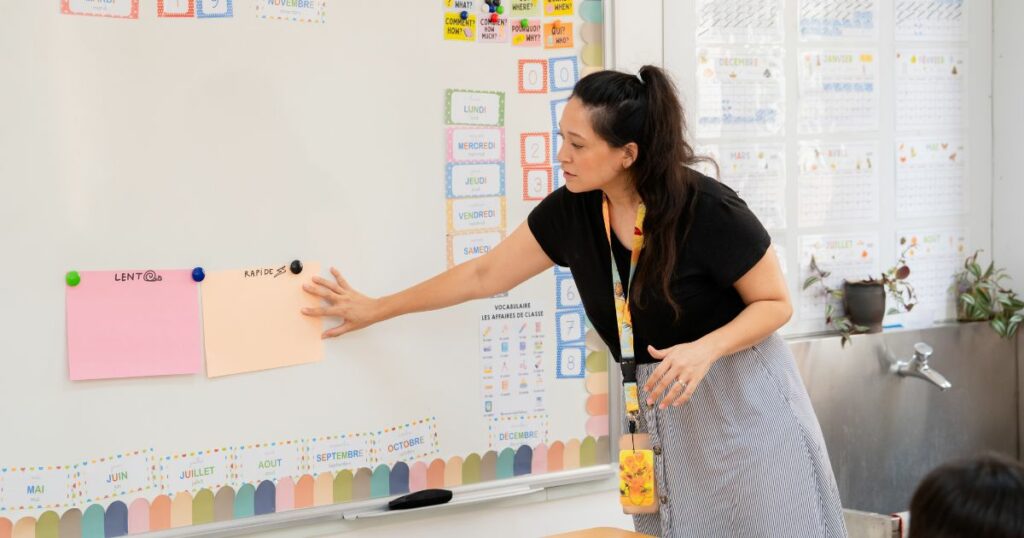
The right curriculum for young children should balance learning and play. Reputable international schools often implement modern teaching methods, such as:
- French National Education Program: Starting from preschool, this program focuses on building core skills like reading, writing, and math, while integrating subjects such as art, music, sports, and ethics. It respects individual learning speeds and promotes diversity.
- International Baccalaureate (IB): Available from preschool, the IB program encourages international thinking, self-learning skills, and confidence. It emphasizes a holistic approach to education, supporting both social skills and academic development.
- British/Cambridge System: The British education system offers subjects similar to the Vietnamese curriculum but with modern teaching techniques, helping children adapt to various educational models.
- American Program: Known for its flexibility, this system includes creative subjects like arts and sports, focusing on credit accumulation instead of graduation exams. It’s an excellent choice for nurturing independent thinking and social skills.
Which curriculum is right for your child?
Each pathway suits a different learner, and all of them can lead to top universities, so focus on fit rather than prestige:
- French curriculum (AEFE): a structured, bilingual route from preschool onward; ideal for families who value depth, a strong language foundation and the option to continue anywhere in the global AEFE network.
- British / Cambridge (IGCSE 14–16, A-Levels 16–18): a clear, subject-focused path; suits learners who want to specialize in a few subjects in their final years.
- International Baccalaureate (IB Diploma 16–19): a broad, inquiry-based program with six subjects, an Extended Essay, Theory of Knowledge and CAS; suits all-rounders who enjoy a wide range of subjects.
- American (High School Diploma + AP): flexible, credit-based and continuously assessed; a common route to North American universities.
Tip: write down three to five goals (for example, “bilingual fluency by Grade 6” or “a smooth move between countries”) and use them as a benchmark when you compare schools.
3. Language Learning Duration
The amount of time spent on language learning is crucial for children aged 1-11 to develop effective language and communication skills. A good international school will provide a language curriculum with sufficient and consistent learning hours spread throughout the week. Languages like French or English are often taught continuously from preschool to elementary school, helping children naturally acquire and use the language. Learning foreign languages enhances communication skills and broadens opportunities for global cultural exploration in the future.
>> Read more: How to raise a bilingual child
4. High-Quality Teacher
When choosing an international school, the quality of the teaching staff is a key factor. It’s beneficial to consider schools with well-trained teachers in early childhood and primary education, particularly those who hold internationally recognized certifications like TESOL, CELTA, or similar qualifications. Beyond expertise, teachers should understand child psychology, be skilled in their teaching methods, and foster confidence and creativity in students. A dedicated teaching team ensures a safe, supportive learning environment that inspires children.
5. Modern Facilities

The school’s facilities play a crucial role in supporting children’s development. It’s helpful to consider international schools with safe, clean campuses, creative classrooms, and modern technology. Outdoor play areas, libraries, science labs, and art rooms should encourage curiosity and exploration. A well-designed, stimulating environment not only enhances learning but also makes children excited to attend school each day.
6. Class Size
Class size is an important factor when determining the quality of education in an international school. Smaller class sizes enable teachers to provide individual attention and support to each student, particularly for children aged 1-11. Learning in a smaller class environment fosters greater teacher-student interaction, enhancing personal development and improving learning outcomes. Choosing a school with an appropriate class size ensures that children receive the care and guidance they need, allowing them to reach their full potential.
7. School’s History and Reputation
When choosing an international school, the school’s history is an essential factor in evaluating its credibility and quality. Schools with a long track record often accumulate valuable experience in teaching, management, and creating a learning environment suitable for young children, especially those aged 1-11. Parents should explore the school’s achievements, international collaborations, and feedback from the community. A well-established school provides confidence and ensures a stable learning journey for your child.
>> Read more: The important role of school in child development
8. Consult Other Parents
Getting insights from other parents is a valuable resource when choosing an international school. Join parent groups or educational forums to understand the real-world experiences with teaching quality, learning environment, and the support the school offers. These objective reviews will help parents make informed decisions, ensuring the school aligns with their child’s needs and development.
9. Contact the School for Detailed Advice
Reaching out directly to the school is the best way to gain a deeper understanding of its learning environment and educational programs. Parents can request meetings with teachers, administrators, or attend consultations to get a clear picture of the teaching methods, facilities, and school activities. This is an opportunity to ask specific questions about your child’s learning process and clarify any concerns related to your family’s unique requirements.
10. Visit the School in Person
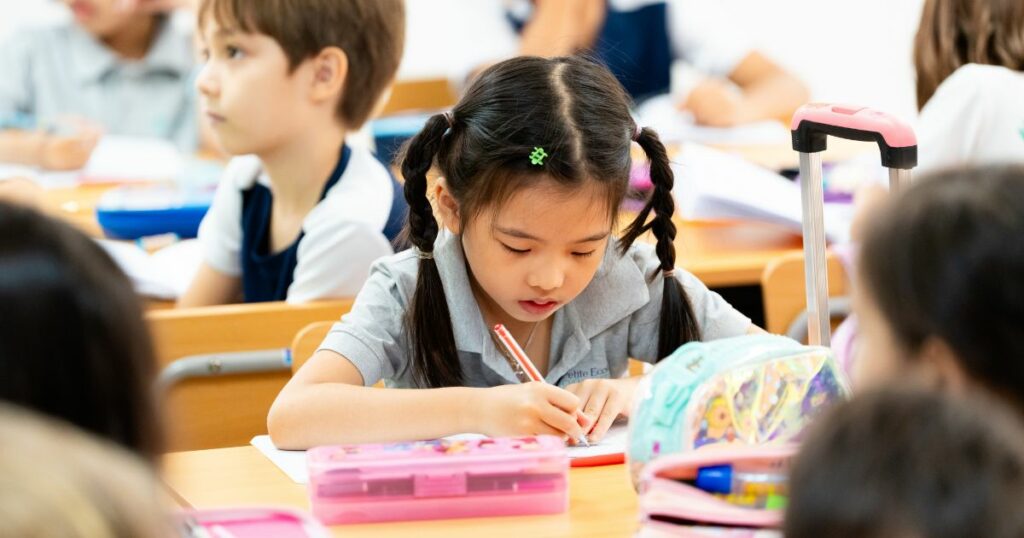
One of the best ways to evaluate the quality and learning environment of an international school is by visiting the campus in person. Witnessing the facilities, classrooms, play areas, and learning spaces firsthand will give parents a realistic view of the educational environment their child will experience. During the visit, you can also meet teachers, observe actual learning activities, and feel the classroom atmosphere. This will help you make a more informed decision on whether the school is a good fit for your child.
11. Accreditation and Graduation Qualifications
As you explore how to choose an international school, it’s useful to take the school’s graduation qualifications into account. Reputable international schools often prepare students for globally recognised certifications like the International Baccalaureate (IB), GCSE, or diplomas from the British, French, or American education systems. These qualifications are not only valuable in Vietnam but are also widely recognised worldwide, opening up opportunities for your child to study at international universities. Parents should thoroughly research the diplomas the school offers upon completion of the program.
To verify quality, look for recognized accrediting and affiliation bodies, for example the AEFE network for French schools, IB World School status, Cambridge International (CIE), the Council of International Schools (CIS), WASC, NEASC or British Schools Overseas (BSO), and confirm the school is registered with Vietnam’s Ministry of Education and Training (MOET). Accreditation is one of the clearest signals that a school meets international standards and that its qualifications will be recognized by universities worldwide.
12. Extracurricular Activities
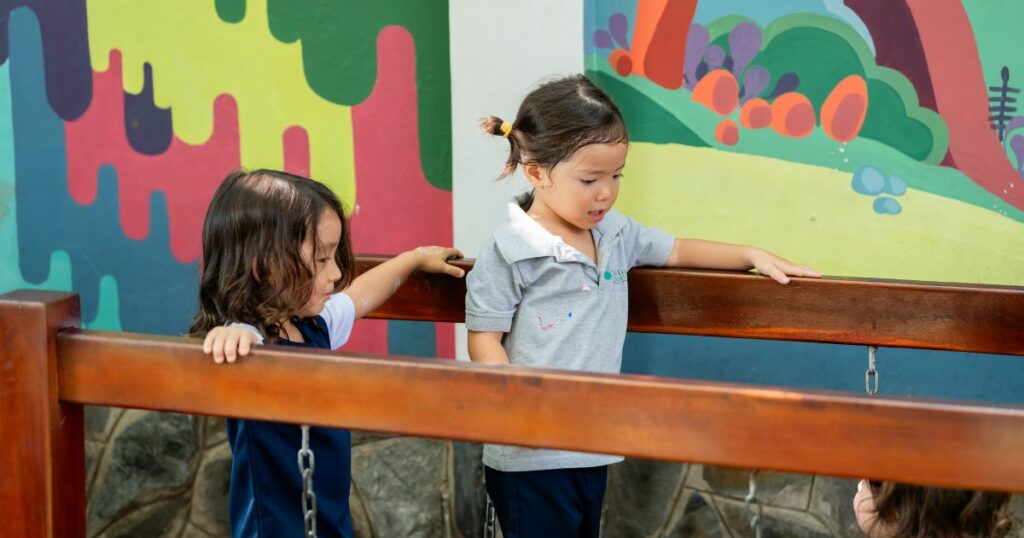
A diverse extracurricular program is crucial for a child’s overall development outside of the classroom. Activities such as sports, music, arts, and life skills not only provide entertainment but also help children build life skills like teamwork, creativity, and time management. When choosing an international school, it’s essential to select one with a rich extracurricular offering. Such programs allow children to explore personal interests, develop talents, and lay a solid foundation for confidence and social communication skills in a group setting.
13. Nutrition for Students
Nutrition plays a vital role in maintaining children’s health and supporting their overall development. Reputable international schools often focus on providing balanced, nutritious meals that include essential food groups like protein, vitamins, minerals, and fiber. A well-rounded diet helps children stay healthy, maintain concentration, and learn effectively. Additionally, schools should ensure food is prepared safely and offer flexibility to accommodate allergies or special dietary requirements, ensuring every child has access to meals that meet their needs while keeping them energized throughout the school day.
14. Tuition Fees and Family Finances
Tuition fees are an important consideration when choosing an international school, as they directly impact the family’s finances. International schools typically have varying fee structures based on the curriculum, facilities, and teacher quality. Parents need to balance educational quality with what they can afford, and explore any financial aid or scholarship opportunities available. A reasonable tuition fee ensures that families can confidently select a school that meets their child’s needs while also maintaining financial stability.
As a guide, annual tuition at international schools in Ho Chi Minh City ranges widely depending on the curriculum and year level. Remember to budget for extras beyond tuition, application or registration fees, uniforms, learning materials, school trips, language support and transport, and to ask about early-enrolment, sibling or merit-based discounts.
15. School Location And Daily Commute
In Ho Chi Minh City, location and traffic are everyday realities, so a school that is close to home, or offers a reliable shuttle bus, can make a big difference to family life. Many international schools cluster in areas popular with families such as District 2 (Thao Dien), District 7 (Phu My Hung), Binh Thanh and Thu Duc City. When you shortlist schools, consider travel time during peak hours, bus routes and safety features such as GPS-tracked vehicles.
Questions To Ask Nn A School Visit
A visit is your chance to ask the questions that brochures don’t answer. Consider asking:
- What curriculum and qualifications does the school offer, and how do children progress between stages?
- What accreditations or affiliations does the school hold?
- What are the typical class sizes and the teacher-to-student ratio?
- How much time is dedicated to each language every week?
- What extracurricular activities and well-being (pastoral care) support are available?
- What is the full cost of attendance, including fees beyond tuition?
- What support is offered to children joining from a different curriculum or country?
La Petite Ecole International School Ho Chi Minh City: A Great Learning Environment for Children Aged 1-11
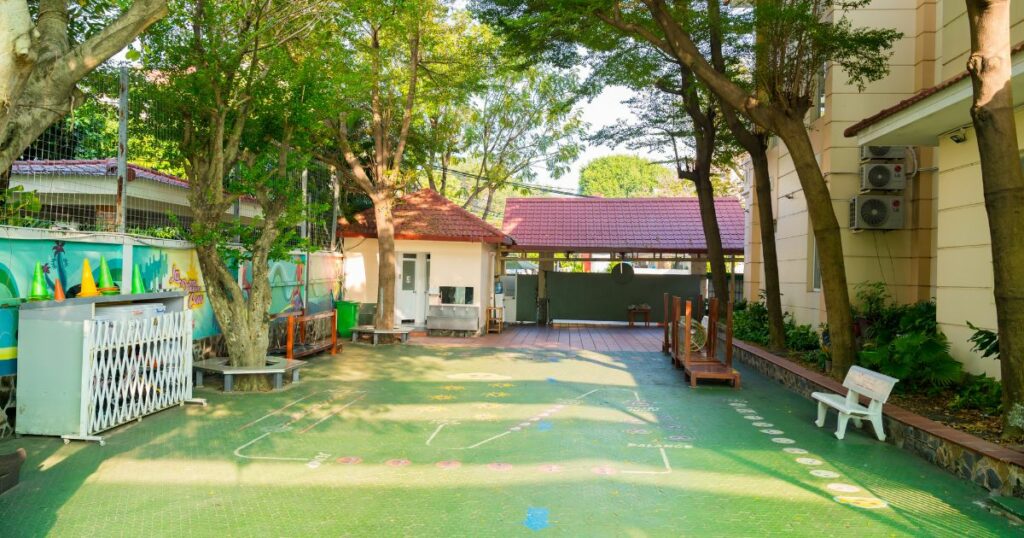
La Petite Ecole International Bilingual School in Ho Chi Minh City is an excellent choice for parents seeking a quality educational environment for children aged 1-11. With its internationally recognized French curriculum, the school offers a well-rounded education that fosters both life skills and language development. At La Petite Ecole Ho Chi Minh City, children learn in a creative, exploratory environment, receiving personalized support to help them reach their full potential. The highly qualified teaching staff, along with modern facilities, ensure that each child is able to thrive academically.
As a part of the Odyssey and affiliated with the AEFE network, La Petite Ecole Ho Chi Minh City is committed to providing the best educational opportunities for children. Contact the school directly for comprehensive advice and detailed information about their courses, teaching methods, and how they can help your child flourish in an internationally recognized learning environment.
- Phone: 028 3519 1521
- Email: contact@lpehochiminh.com
- Address: 172 – 180 Nguyen Van Huong, An Khanh Ward, Ho Chi Minh city
Frequently Asked Questions
1. What is the difference between an international school and a bilingual school?
An international school usually teaches a full foreign curriculum mainly in one language, while a bilingual school combines an international programme with local language and culture so children become fluent in two languages. A bilingual school suits families who want global standards without losing their local roots.
2. What is the best age to start at an international school?
Early years (around ages 1–6) are ideal because young children absorb languages naturally, but children can join successfully at any stage when the school offers good transition and language support.
3. How much does an international school cost in Ho Chi Minh City?
Annual tuition varies widely by curriculum and year level, and there are extra costs such as registration, uniforms, materials, trips and transport. Always ask each school for a full fee schedule and about any sibling, early-enrolment or merit-based discounts.
4. Are international qualifications recognized in Vietnam?
Yes. Internationally recognised qualifications such as the French Baccalauréat, IB Diploma, A-Levels and the American Diploma are accepted by Vietnamese universities and employers, as well as by universities abroad.
5. Which curriculum is best for my child?
There is no single best curriculum. The French, IB, British/Cambridge and American pathways all lead to recognised qualifications, so the right choice depends on your child’s learning style, your language goals and where you may study in future.
6. Where are international schools located in Ho Chi Minh City?
Many international schools are in areas popular with families such as District 2 (Thao Dien) and District 7 (Phu My Hung), as well as Binh Thanh and Thu Duc City. Consider commute time and whether the school runs a shuttle bus.