

Top 20 Creative Activities for Kids That Spark Imagination
In the early years, young children explore the world through movement, speech, emotions, and play. This is also a stage when creativity develops rapidly, especially when children engage in activities that match their individual pace and interests. Creative activities for kids are not just entertaining, they also provide opportunities for children to understand themselves, develop focus, communication skills, and even gain confidence in new situations.
This article brings together a list of fun and easy-to-apply creative activities for kids, suitable for home or classroom use, while explaining why they are so valuable for early childhood development.
Why Creative Activities for Kids Are Important
1. Encourage Natural Emotional Expression
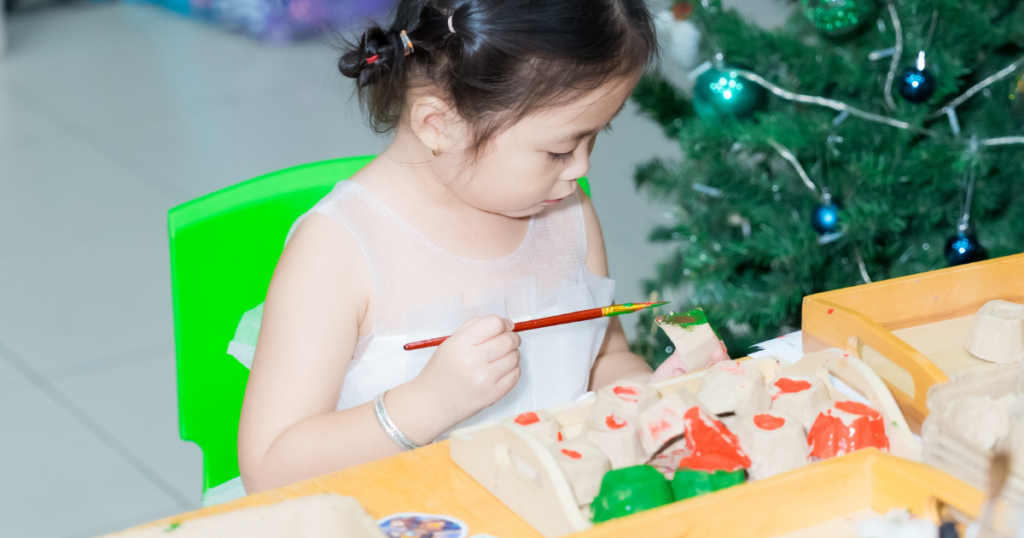
Young children may not yet have the words to express their feelings. Participating in creative activities, whether drawing, clay modeling, role-playing, or storytelling, gives children additional ways to express thoughts and emotions. A colorful drawing or a character a child creates during play can be a meaningful way for them to share their inner world.
2. Expand Imagination and Flexible Thinking
Creative spaces allow children to see things from multiple perspectives. When they combine unrelated objects, invent new stories, or “turn” a simple box into a bus, they develop flexible thinking. This skill not only enriches creativity in childhood but also provides long-term benefits for problem-solving and innovative thinking.
Read more: Understanding the Importance of Arts Education in Early Childhood
3. Improve Focus and Problem-Solving Skills
Many creative activities require children to plan, experiment, and adjust. For example, when building a clay model, children observe, stretch, or pinch the clay to create the desired shape. These small experiments build perseverance, attention span, and self-regulation.
4. Opportunities for Communication and Collaboration
Creative activities often happen in groups. When children work together on a large painting, build a mini city, or act out a play, they learn to share materials, wait their turn, listen, and contribute ideas. These experiences lay the foundation for social relationships later on.
5. Develop Social Skills from an Early Age
Many activities require children to interact with peers, notice others’ reactions, and adjust their behavior. Through play, children learn to:
- Understand the concepts of sharing and cooperation naturally.
- Solve small conflicts and disagreements constructively.
- Respect ideas that differ from their own.
These social skills are often best developed through hands-on experiences, especially in open-ended play environments.
6. Build Emotional Regulation
During play, children may encounter unexpected situations: a painting smears, a tower collapses, or a plan doesn’t work as intended. These moments are valuable opportunities for children to learn how to manage their emotions safely. Creative activities help children:
- Recognize and name their feelings.
- Stay calm when facing challenges.
- Express needs clearly and thoughtfully rather than impulsively.
Developing emotional regulation early helps children gain confidence and resilience in many aspects of life.
20 Creative Activities for Kids
1. Model Building
- Preparation: Wooden blocks, LEGO, various puzzle sets.
- Description: Children assemble pieces to create houses, vehicles, animals, or any idea they imagine. During assembly, they observe sizes, experiment, and adjust each step. This activity develops hand-eye coordination, basic geometric thinking, and patience while children create their own unique products.
2. Role-Playing
- Preparation: Doctor kits, play kitchen, supermarket toys, simple costumes.
- Description: Children become doctors, chefs, shopkeepers, or any character that sparks interest. Role-playing allows them to invent stories, solve problems, and interact naturally with peers. It also expands language skills, helps children understand others’ emotions, and encourages self-expression through words and actions.
Read more: What are symbolic play benefits for kids?
3. Clay Modeling
- Preparation: Soft modeling clay, basic shaping tools.
- Description: Children knead, press, and shape clay into imaginative forms. Working with clay teaches hand control, spatial organization, and combining parts into a complete creation. It also provides relaxation and unlimited opportunities for imagination.
4. Spot the Difference
- Preparation: Paired pictures with subtle differences.
- Description: Children compare two similar images and identify differences. This activity develops focus, analytical thinking, and careful observation skills.
5. Watercolor Painting
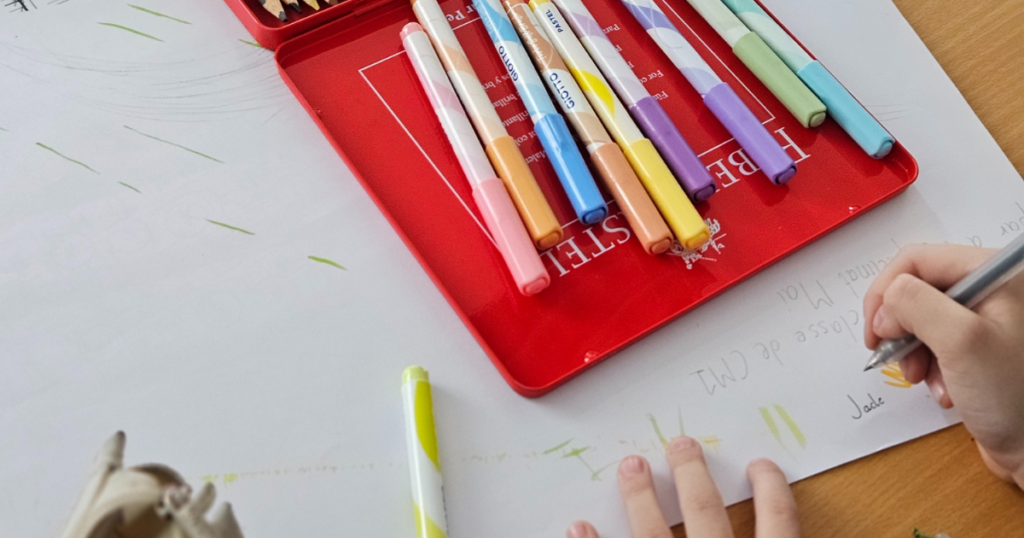
- Preparation: Watercolors, brushes, thick paper.
- Description: Children freely create color patterns, shapes, or scenes. With no right or wrong, they experiment with mixing colors and brush strokes. Painting encourages emotional expression, calming the mind, and building confidence in sharing personal ideas.
6. Musical Dance and Sound Guessing
- Preparation: Speaker, sounds or short music clips.
- Description: Adults play familiar sounds like jingles, running water, footsteps, or the start of a song. Children listen and guess the source or song. This encourages active listening, sound differentiation, and musical awareness. Regular exposure to varied sounds helps children build confidence in expressing emotions through listening.
Read more: 15 Fun and Creative Music Games for Preschoolers
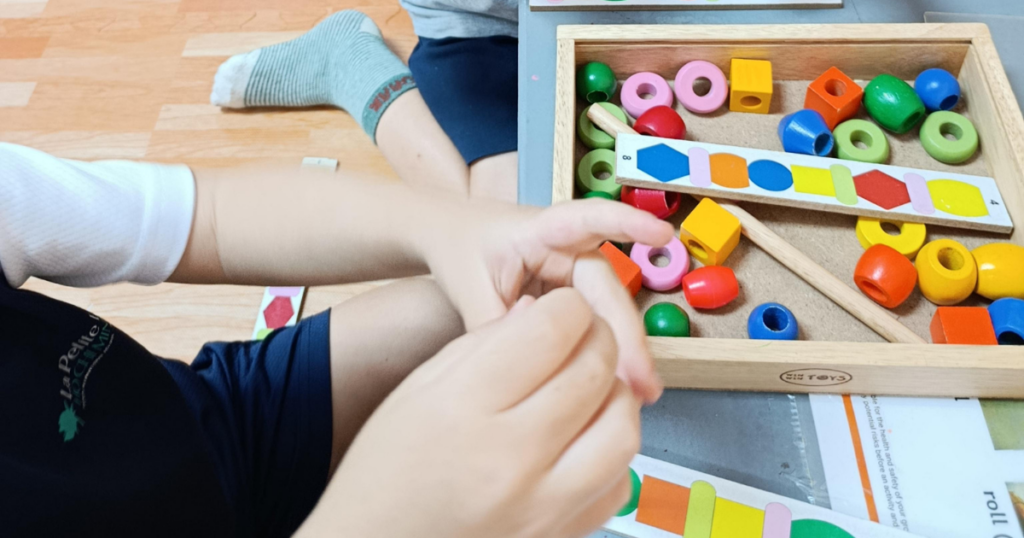
7. Tangram Puzzles
- Preparation: Colorful tangram sets.
- Description: Children use geometric shapes to form animals, houses, or abstract designs. By rotating and arranging the pieces, they discover multiple combinations. Tangrams develop geometric understanding, experimentation, and problem-solving skills.
8. Leaf Art
- Preparation: Dried leaves, glue, paper.
- Description: Children collect leaves of different sizes and create images such as animals, nature scenes, or decorative shapes. Arranging leaves helps them observe natural features, combine materials creatively, and connect with nature.
9. Cardboard Creations
- Preparation: Small cardboard boxes, tape, paints.
- Description: Children transform boxes into robots, cars, spaceships, or mini houses. They can cut, stick, and decorate according to their ideas. This activity encourages creative thinking and shows that simple materials can become exciting objects.
10. Letter Shaping with the Body
- Preparation: Open space, lively music.
- Description: Children move to music and, when prompted (e.g., “Form the letter A”), use their bodies to shape the letter. This helps them recognize letter forms, coordinate their movements, focus on instructions, and collaborate with peers.
11. Cotton Swab Painting
- Preparation: Cotton swabs, watercolors, paper.
- Description: Children create tiny dot patterns using cotton swabs. This technique develops rhythm, fine motor skills, and patience. The finished artwork is unique and gives children a sense of pride.
12. Bead Necklace Making
- Preparation: Large plastic beads, string or yarn.
- Description: Children thread beads to create necklaces or bracelets. This enhances dexterity, hand-eye coordination, and allows them to express personal preferences through color and pattern choices.
13. Story Creation with Picture Cards
- Preparation: Sets of cards with characters, objects, and settings.
- Description: Children arrange cards in order to create a short story. While narrating, they practice language, storytelling, and memory skills. This activity develops imagination, narrative thinking, and verbal expression.
14. Emotion Balloon Game
- Preparation: Balloons, markers.
- Description: Children draw facial expressions on balloons and act out emotions like happy, sad, surprised, or calm. This activity helps children recognize and reflect emotions through body language and fosters emotional awareness.
15. Popsicle Stick Bridge Building
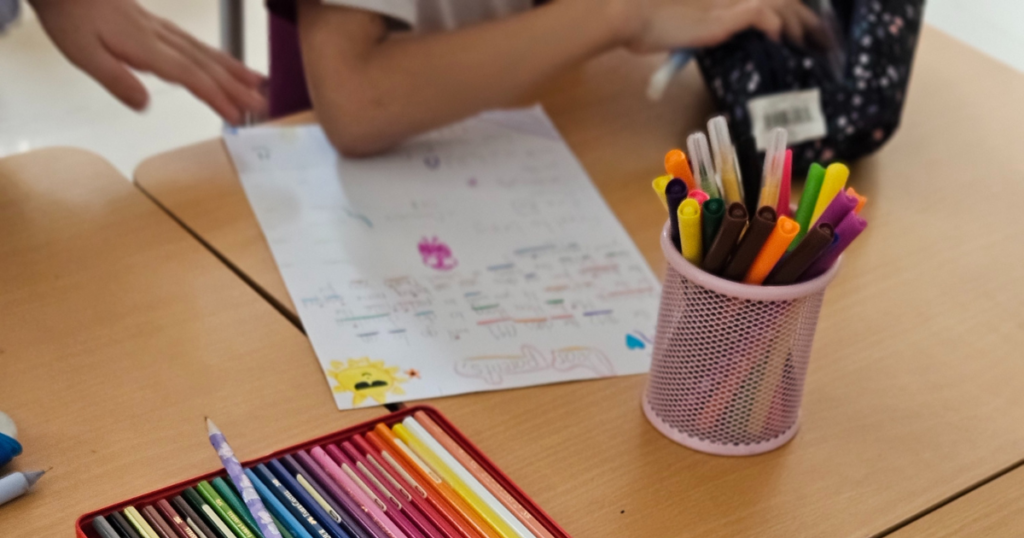
- Preparation: Popsicle sticks, glue, base paper.
- Description: Children build simple bridges or pathways, testing stability by placing light objects on top. This introduces basic concepts of balance and structure.
16. Paper Hand Puppets
- Preparation: Colored paper, glue, markers, sticks.
- Description: Children create characters from paper and use them to tell stories. Manipulating the puppets encourages imagination, language, and self-expression in a fun, playful way.
17. Mini Recycled Forest
- Preparation: Paper rolls, small plastic bottles, colored paper.
- Description: Children turn recycled items into trees, leaves, and other elements of a mini forest. This promotes environmental awareness, creativity, and free design exploration.
18. Shadow Play
- Preparation: Flashlight, small objects.
- Description: Children use light to cast shadows on walls and experiment with different shapes. They observe how shadows change with angles, developing basic understanding of light while having fun.
19. Greeting Card Crafting
- Preparation: Paper, colors, stickers, ribbons.
- Description: Children decorate cards for occasions like birthdays, festivals, or family events. They select colors, draw shapes, and arrange details creatively, enhancing self-expression and fostering a sense of connection.
20. Color Mixing Experiment
- Preparation: Water tray, diluted paints, droppers.
- Description: Children drop colors into water and watch them blend to create new shades. This activity teaches color mixing, stimulates curiosity, encourages experimentation, and helps children practice patience while observing results step by step.
How Creative Activities Are Applied at La Petite Ecole Ho Chi Minh City
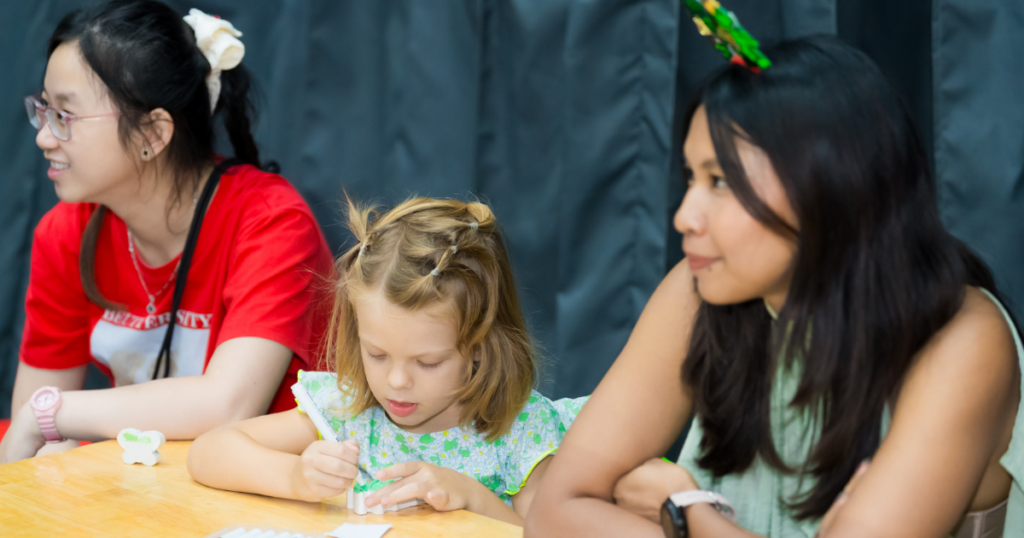
- Integrated into the School Day: Creative activities are naturally woven into daily lessons, allowing children to play while exploring and learning.
- Open Classroom Spaces: Classrooms feature multiple creative corners, such as painting areas, clay modeling stations, building zones, and material exploration spaces. Children are free to choose activities and express their ideas independently.
- Themed Art Projects: Children participate in projects exploring nature, family, animals, or festivals, which helps develop imagination and creative thinking.
- Combination of Multiple Skills: Creative activities integrate language learning, scientific exploration, and social communication skills, supporting holistic development.
- French-International Learning Environment: Children experience a rich, inspiring learning environment that promotes well-rounded growth from an early age, combining language, art, and discovery.
Tips for Accompanying Children During Creative Play
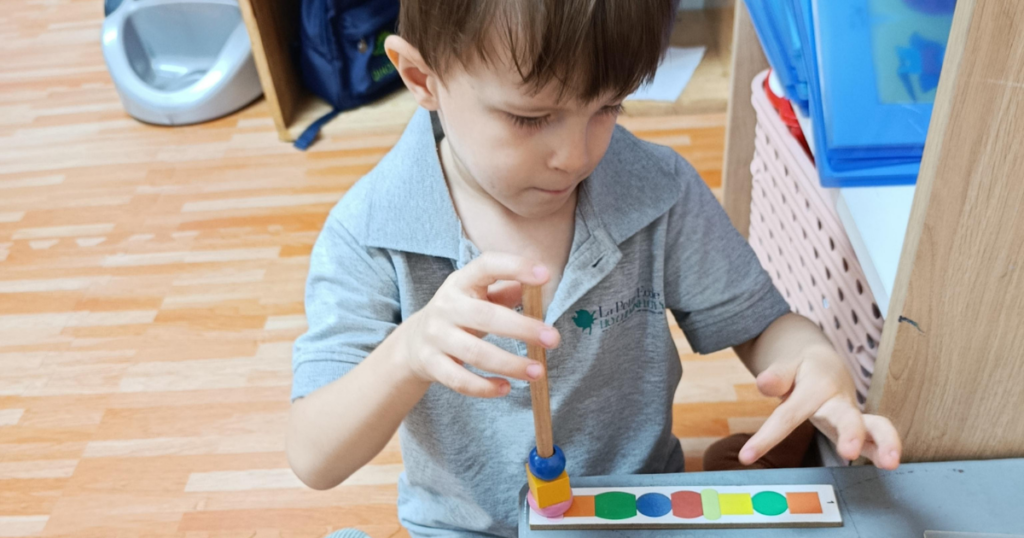
- Let Children Lead: Allow children to explore and decide how to play, while adults provide gentle guidance only when necessary.
Encourage Differences: If a child paints the sun blue or creates something unique, respect their idea.
- Respect the Outcome: Even simple creations should be acknowledged so children feel their effort and creativity are valued.
- Observe Gently: Watch to understand each child’s interests, pace, and interactions during play.
- Prioritize Safety: Choose age-appropriate materials and avoid sharp objects or small items that could pose a hazard.
Opening Up Natural Creative Spaces for Children
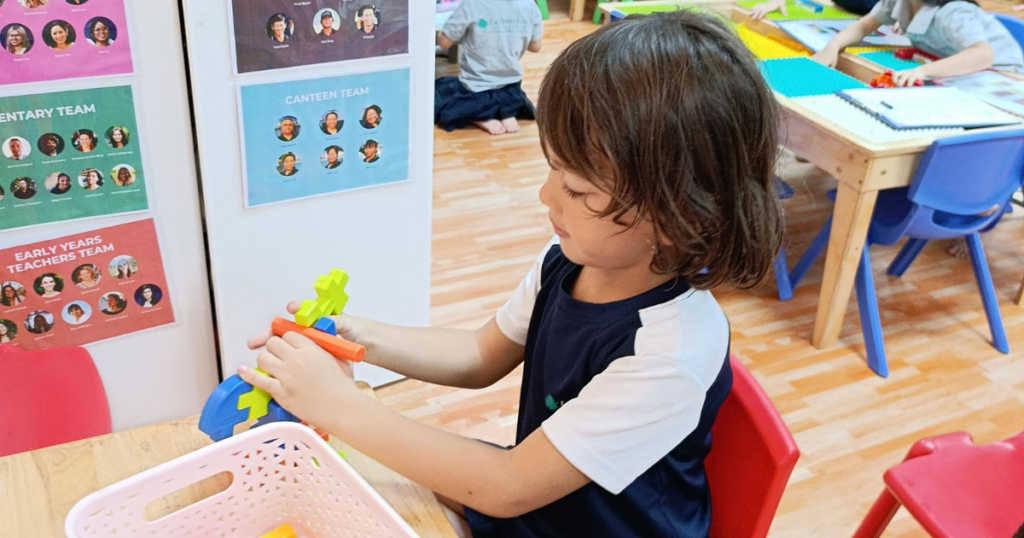
Creativity is not just about beautiful drawings or finished products. More importantly, it is about children experiencing the joy of exploration, the freedom to express themselves, and the confidence that comes from creating something on their own. Creative activities also help children gain a deeper understanding of themselves, manage emotions, and connect with friends and family in a gentle, natural way.
For parents interested in a learning environment where children can explore and create at their own pace, La Petite Ecole Ho Chi Minh City is happy to provide more information and support your child’s developmental journey. Contact us to learn more about our programs and hands-on activities designed for your child.
- Phone: 028 3519 1521
- Email: contact@lpehochiminh.com
- Address: 172 – 180 Nguyen Van Huong, An Khanh Ward, Ho Chi Minh City