

How to Foster Curiosity in Kids: Benefits & Practical Strategies
Curiosity is a natural drive that encourages children to ask questions, explore, and make sense of the world around them. Understanding how to foster curiosity in kids is important because when curiosity is supported in a safe and respectful environment, children develop flexible thinking, creativity, and confidence in their own ideas.
Fostering curiosity is not about providing all the answers. Instead, it means encouraging children to keep asking questions and explore possible solutions. When adults guide rather than direct, children learn to think independently and approach challenges with an open mind.
Since every child is different, knowing how to foster curiosity in kids requires adapting to their age, personality, and cultural background. The key is to create space for discovery while respecting each child’s individuality.
Key Takeaways
- Curiosity is the foundation for developing critical thinking, creativity, and problem-solving skills.
- Children learn best when they are encouraged to ask questions, experiment, and explore in a safe environment.
- Adults play a vital role in how to foster curiosity in kids by listening, encouraging, and respecting their ideas.
- Experience-rich learning environments help sustain children’s intrinsic motivation.
- At La Petite Ecole Ho Chi Minh City, curiosity is nurtured daily through active, personalized learning approaches.
What Is Curiosity in Kids?
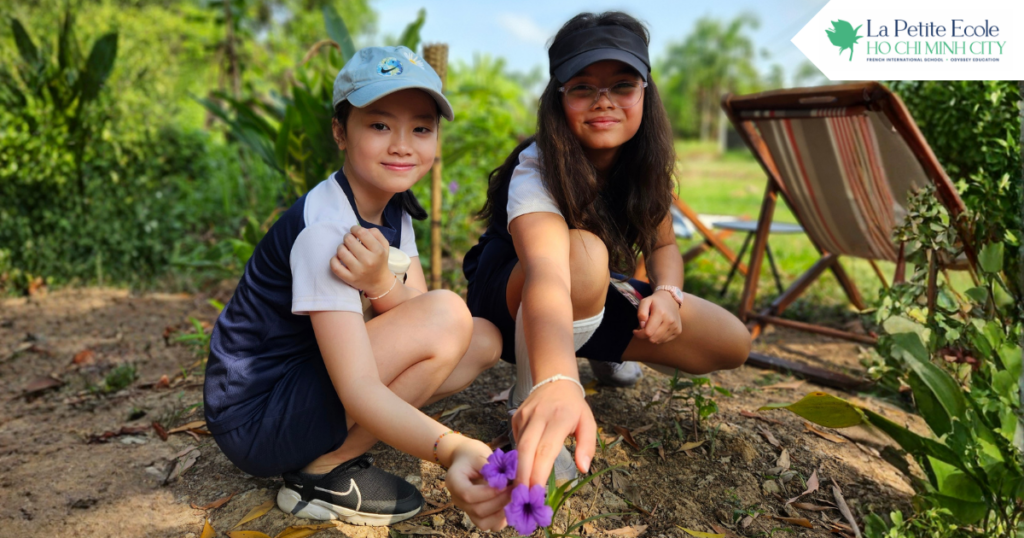
Curiosity is the natural drive that motivates children to explore new ideas and experiment with different ways to express or explain them. Understanding this concept is essential when learning how to foster curiosity in kids, as curiosity goes beyond simply asking “why.” It also includes questions like “What if?” and “Is there another way?”
Children express curiosity in many different ways:
- Curiosity about the world around them
- Curiosity about emotions and relationships
- Creative curiosity through art, storytelling, building, or imaginative play
Every child expresses curiosity differently. Some show it through movement and hands-on exploration, others through language and questions, and some through careful observation of small details. Recognizing these differences is a key step in understanding how to foster curiosity in kids effectively.
Curiosity In Kids and Brain Science
Research in brain development shows that when children feel curious, the brain releases dopamine, a neurotransmitter that enhances memory and supports sustained attention.
This means that when children are genuinely interested in a question, learning becomes deeper and more lasting. Instead of simply memorizing information, they connect knowledge to personal experiences. Understanding this brain-based connection is essential when considering how to foster curiosity in kids, because curiosity directly strengthens how children process and retain new information.
Why It’s Important to Foster Curiosity in Kids Early
Knowing how to foster curiosity in kids from an early age can positively influence both cognitive and emotional development.
1. Supports Brain Development
The early years are a critical period for brain growth. When children explore, experiment, and ask questions, neural connections are formed and strengthened. This supports improved concentration, memory, and information processing skills.
2. Encourages Active Learning
When children are encouraged to ask questions and investigate independently, learning becomes more meaningful. They move beyond passive absorption of facts and begin to understand how knowledge connects to the world around them, a key outcome when learning how to foster curiosity in kids effectively.
3. Strengthens Problem-Solving Skills
When children regularly ask questions like “Why?” or “What if?”, they begin to think from multiple perspectives. Instead of waiting for ready-made answers, they experiment, adjust, and discover solutions on their own.
Read more: Teaching Problem Solving Skills for Kids: Process and Practical Application
4. Builds Confidence and Resilience
When children’s ideas are listened to and respected, they feel valued. This encourages them to try again when something doesn’t work the first time. Confidence grows when curiosity is supported rather than dismissed, another important element of how to foster curiosity in kids successfully.
Signs of Creative Curiosity in Children
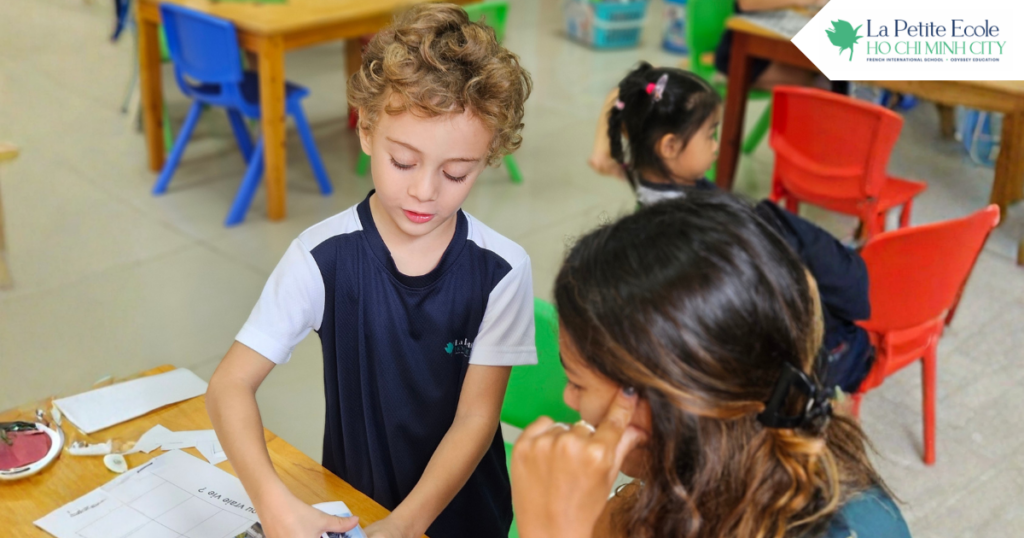
Parents can often recognize early signs when learning how to foster curiosity in kids by observing everyday behaviors such as:
- Frequently asking questions
- Taking things apart or experimenting with new ways to play
- Creating their own stories or inventing new rules for games
- Paying close attention to small details
- Wanting to understand the reasons behind how things work
Not all children express curiosity in the same way. Some show strong curiosity through movement and hands-on experimentation, while others demonstrate it through deep thinking and thoughtful questions. Recognizing these different expressions is an important step in understanding how to foster curiosity in kids effectively.
What Can Reduce a Child’s Curiosity?
Just as curiosity can be nurtured, it can also be unintentionally discouraged. When considering how to foster curiosity in kids, it’s equally important to understand what may limit it.
Several factors can reduce a child’s natural curiosity:
- Responding too quickly with judgment or criticism
- Focusing only on the “right” answer
- Overscheduling with little time for free exploration
- Comparing children to one another
Children who feel emotionally safe are more likely to continue asking questions and experimenting. In contrast, when children worry about making mistakes, their curiosity may gradually decrease. Creating a supportive environment is therefore essential in learning how to foster curiosity in kids in a sustainable way.
How to Foster Curiosity in Kids at Every Age
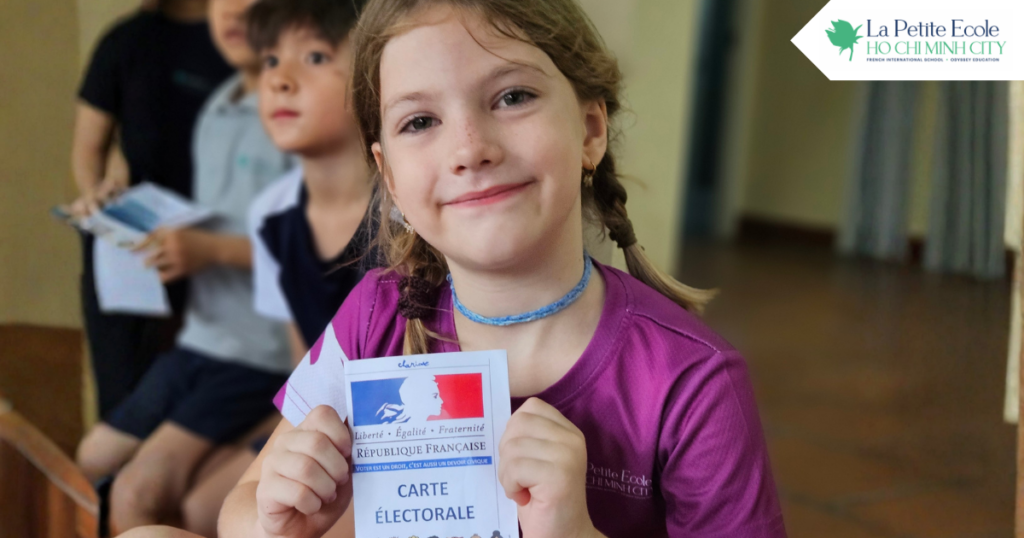
Understanding how to foster curiosity in kids requires adapting your approach to each developmental stage. As children grow, the way they explore and express curiosity evolves. Here’s how parents can support curiosity at different ages:
Ages 0–3: Exploring Through the Senses
During the first three years, children learn primarily through touch, sound, sight, and movement. Sensory exploration builds the foundation for later thinking and problem-solving.
Parents can support this stage by:
- Offering a variety of textures and materials to explore
- Talking about what the child sees and experiences
- Describing sensations and actions
- Asking simple questions like, “What do you see?”
These early language interactions help children connect sensory experiences with cognitive development, an essential first step in how to foster curiosity in kids.
Ages 4–6: Imagination and Role Play
In the preschool years, imagination expands rapidly. Children begin creating stories, experimenting with ideas, and exploring different perspectives through play.
Effective ways to foster curiosity at this stage include:
- Open-ended storytelling without a fixed ending
- Role-playing games
- Free-form art activities
Instead of giving step-by-step instructions, adults can ask open-ended questions such as:
“What do you think the character will do next?”
Encouraging imaginative thinking is a powerful strategy in how to foster curiosity in kids during early childhood.
Ages 7–11: Deeper Exploration and Reasoning
By primary school age, children develop stronger reasoning skills and can explore topics in greater depth.
Parents and educators can nurture curiosity by:
- Supporting small projects based on personal interests
- Exploring simple science experiments
- Discussing real-world issues and asking for the child’s opinion
- Researching information together from multiple sources
Engaging in dialogue rather than immediately providing answers helps children build independent thinking skills. This approach is central to understanding how to foster curiosity in kids as they grow into more analytical learners.
Creating a Daily Environment That Nurtures Curiosity
A key part of understanding how to foster curiosity in kids is creating an environment that encourages exploration every day. Curiosity thrives when children feel free to experiment, imagine, and test their ideas.
Create a Space for Exploration
A simple, dedicated exploration corner at home can offer meaningful opportunities for discovery. For example:
- Books on a variety of topics
- Recycled materials for creative building
- Natural objects such as leaves, stones, or wood
Children do not need complex or expensive toys. What matters most is having open-ended materials that they can use, transform, and reimagine according to their own ideas. This kind of environment is fundamental when learning how to foster curiosity in kids naturally and sustainably.
The Role of Adult Interaction
Adults play a crucial role in maintaining and strengthening curiosity. The way parents and educators respond can either encourage further exploration or unintentionally limit it.
Practical ways to support curiosity include:
- Listening fully to a child’s question
- Responding with open-ended follow-up questions
- Acknowledging effort rather than focusing only on results
For example, instead of saying:
“That’s not correct.”
You might ask:
“Would you like to try another way?”
This type of response keeps children motivated to explore and problem-solve. Supportive communication is one of the most powerful strategies in how to foster curiosity in kids over the long term.
Activities That Help Foster Curiosity in Kids
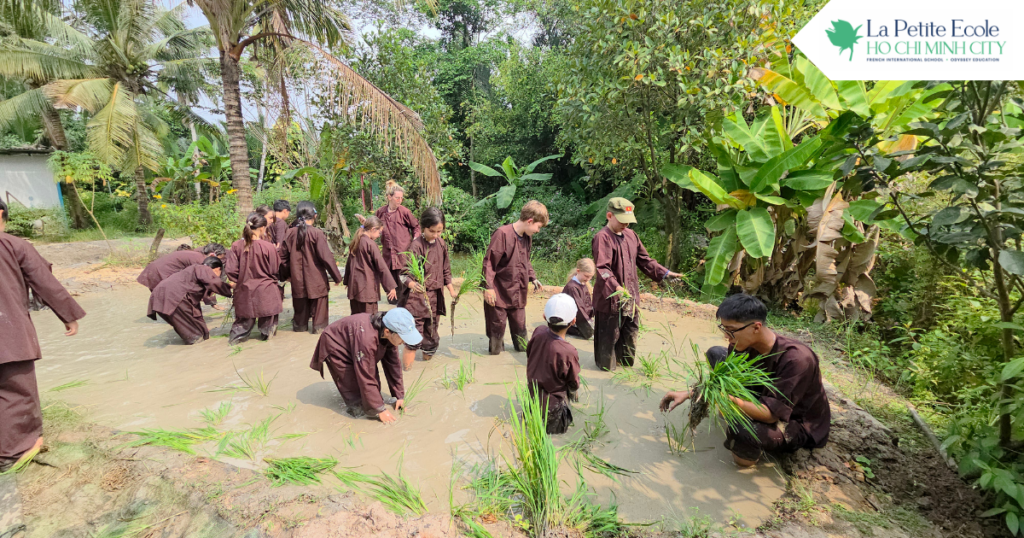
One of the most practical ways to understand how to foster curiosity in kids is through meaningful, hands-on activities. The right experiences can inspire children to observe, question, and explore more deeply.
Exploring Nature
Nature is one of the richest environments for stimulating curiosity. It naturally encourages observation, comparison, and questioning.
Simple ideas include:
- Observing insects or noticing changes in leaves
- Recording observations through drawings
- Comparing colors, shapes, and patterns
Nature-based exploration helps children develop attention to detail and a deeper understanding of the world around them, both essential elements in how to foster curiosity in kids.
Art and Storytelling
Creative activities allow children to express emotions and ideas while experimenting with new possibilities.
You can encourage curiosity through:
- Drawing based on feelings rather than instructions
- Continuing an unfinished story
- Inventing new characters and building imaginative worlds
Art and storytelling create space for open-ended thinking, which is central to how to foster curiosity in kids effectively.
Real-World Experiences
Visits to museums, parks, or even small project-based activities at home help children connect knowledge to real-life situations. These experiences make learning more meaningful and memorable.
Each family can choose activities that match their child’s interests and daily routine. Curiosity grows strongest when children feel personally connected to what they are exploring.
Small Personal Projects
Encouraging children to:
- Research a topic they are interested in
- Present their ideas in their own way
supports independent thinking and ownership of learning.
There is no single activity that works for every child. Observing your child’s interests and adjusting activities accordingly is one of the most important principles in understanding how to foster curiosity in kids for long-term engagement.
How La Petite Ecole Ho Chi Minh City Fosters Curiosity in Kids
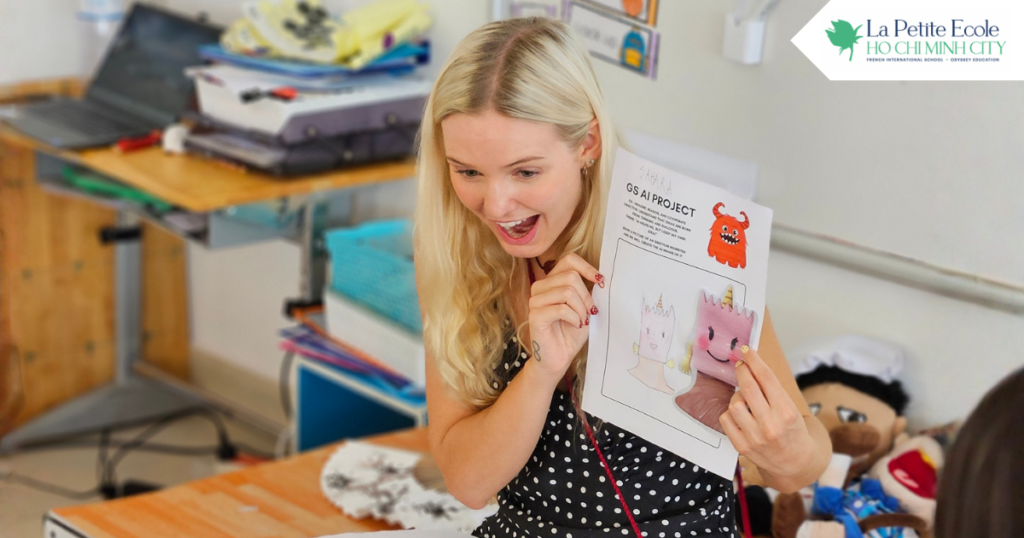
At La Petite Ecole Ho Chi Minh City, understanding how to foster curiosity in kids is embedded in both the curriculum design and the classroom environment. Curiosity is not treated as an isolated skill, but as a natural part of daily learning.
An Integrated Bilingual Curriculum
The school’s bilingual program connects multiple disciplines rather than teaching subjects in isolation. This approach:
- Encourages children to view a topic from different perspectives
- Helps them connect knowledge across subject areas
- Supports real-world application of learning
By making learning interconnected and meaningful, children naturally ask deeper questions and explore ideas more broadly.
Teachers as Guides and Observers
Teachers play a key role in how to foster curiosity in kids. At La Petite Ecole Ho Chi Minh City, educators:
- Adjust activities based on each child’s readiness and interests
- Create space for children to share their thoughts
- Encourage discussion rather than passive listening
This supportive guidance allows children to explore ideas confidently while developing independent thinking skills.
Project-Based Learning
Through thematic projects, children explore a topic over an extended period of time. They:
- Investigate concepts from multiple angles
- Dive deeper into areas of interest
- Develop the ability to analyze and reflect
Longer-term exploration encourages sustained engagement, which is essential in how to foster curiosity in kids effectively.
A Multicultural Environment
Exposure to multiple languages and cultural perspectives broadens children’s understanding of the world. Daily interactions within a diverse community:
- Expand viewpoints
- Encourage open-minded thinking
- Inspire meaningful questions
This holistic approach helps children maintain their natural enthusiasm for discovery while developing an inquiry-based mindset.
When Curiosity Becomes the Foundation for Lifelong Growth
Understanding how to foster curiosity in kids is essential for supporting flexible thinking, confidence, and adaptability in the future. When adults create space for questions, experimentation, and new ideas, children are empowered to grow in their own unique ways.
At La Petite Ecole Ho Chi Minh City, the learning environment is intentionally designed to provide rich experiences while respecting each child’s individuality throughout their developmental journey. Curiosity is nurtured daily through meaningful exploration and thoughtful guidance.
Parents are warmly invited to contact or visit the school to learn more about the learning environment at La Petite Ecole Ho Chi Minh City.
- Phone: 028 3519 1521
- Email: contact@lpehochiminh.com
- Address: 172 – 180 Nguyen Van Huong, An Khanh Ward, Ho Chi Minh City
Frequently Asked Questions About How to Foster Curiosity in Kids
1. How can children maintain curiosity as they grow older?
Continue creating opportunities for open-ended discussions and encourage children to ask questions, rather than focusing only on finding the correct answer. Sustained dialogue is key in how to foster curiosity in kids over time.
2. How can I encourage my child to ask more questions?
Build an environment where questions are respected and welcomed. Avoid interrupting or dismissing questions too quickly. When children feel heard, they are more likely to stay curious.
3. Should parents answer every question immediately?
In many situations, exploring the answer together can promote deeper thinking than simply providing an immediate response. Collaborative discovery is an important strategy in how to foster curiosity in kids.
4. What activities best stimulate curiosity?
There is no single activity that works for every child. Observing your child’s interests and adjusting experiences to match their personality and preferences will lead to more meaningful engagement.