


How to Teach Kids History in a Fun Way: 9 Proven Methods
The best way to teach kids history in a fun way is to turn facts into stories, play, and hands-on discovery. When learners absorb information through a story instead of rote study, long-term recall can be several times higher.
Most kids think history is just boring dates and dusty facts. It does not have to be that way. History is a collection of human stories, not a list to memorize.
At La Petite Ecole Ho Chi Minh City, we use storytelling, play, and discovery to bring the past alive. This guide shares nine proven methods you can start using today.
Key Takeaways
- History becomes fun when it feels like a story, not a memory test.
- Hands-on activities like crafts, role-play, and field trips boost retention.
- Children learn better through emotion, curiosity, and personal connection.
- Open discussion and critical thinking turn passive learners into active ones.
- A bilingual, inquiry-based environment helps children see history from many angles.
Why History Feels Boring to So Many Kids
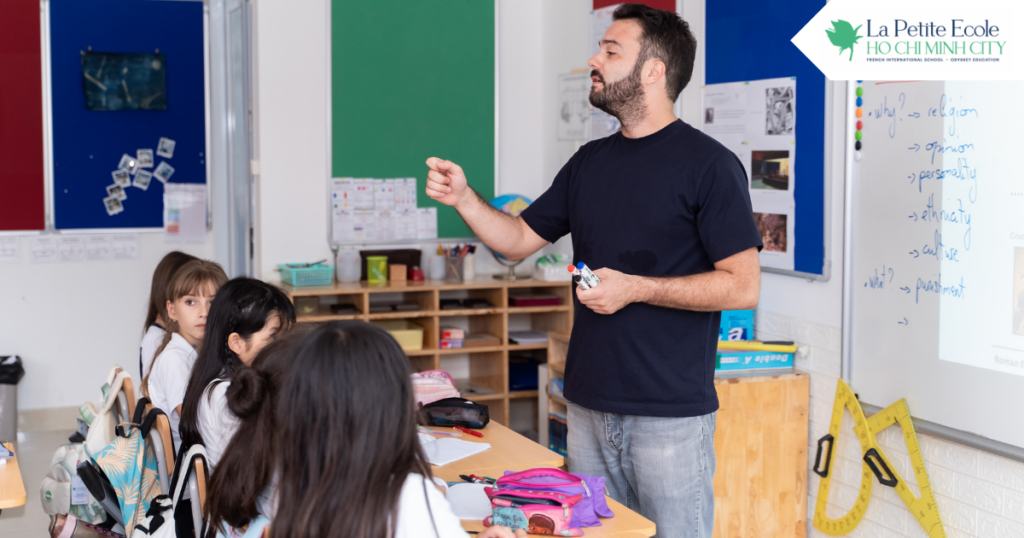
History can feel hard for children to connect with when it is taught mainly through facts and memorization. Children are often asked to remember:
- Names
- Dates
- Battles
- Historical events
These details matter, but memorizing them without context makes them harder to enjoy and recall. Often the challenge is not history itself, but how children experience it.
When historical topics feel disconnected from real people, emotions, or everyday life, curiosity fades fast. Stories and meaningful connections help bring the past to life.
Children are naturally curious. They enjoy stories, exploration, and discovering how people lived in different times. A list of dates is easy to forget, but a memorable story gives them something to hold onto.
Why Fun Can Support Learning
Children often engage more deeply when learning feels interactive, meaningful, and connected to their interests.
Activities that involve movement, storytelling, creativity, or hands on experiences can help make historical topics feel more memorable and enjoyable.
Engagement matters just as much as content.
A curious child may absorb more during an activity that captures their attention than through an experience that feels repetitive or disconnected. Fun does not need to compete with learning. In many cases, it helps make learning more meaningful.
How to Teach Kids History in a Fun Way: 9 Methods
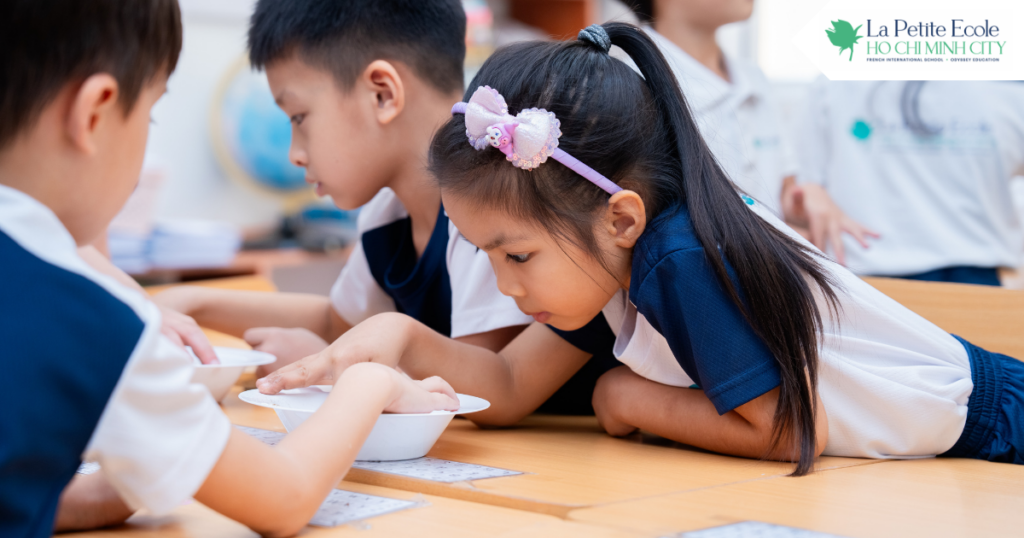
Below are nine practical, classroom-tested ways to make history engaging. Mix and match them to suit your child’s age and interests.
1. Start With a Great Story
Children are wired for narrative. Stories create a mental hook that facts alone cannot.
Instead of opening with a date, open with a person. Talk about their fears, choices, and triumphs. Introduce historical figures as characters, not textbook entries.
Add real emotion to the telling. Excitement, courage, and even sadness make events memorable. This is one of the most reliable ways to teach kids history in a fun way.
Try these quick storytelling techniques:
- Begin in the middle of the action, then explain how it happened.
- Pause at a turning point and ask, “What would you do next?”
- Use cliffhangers between lessons to keep children curious.
2. Use Videos, Documentaries, and Audio Stories
Short, age-appropriate videos make history vivid in minutes. Visual and audio media capture attention that text often cannot.
Use animated histories, documentaries, or story-based podcasts. These formats let children see and hear the past, which lifts interest and retention together. Keep clips short, as engagement drops fast past a few minutes.
Always pair the media with a short discussion afterward. Ask what surprised them and what they would have done differently. This turns passive watching into active thinking.
3. Turn Lessons Into Role-Play Adventures
Role-play lets children step inside history and feel its choices. They can dress up, re-enact events, or stage a mock debate.
A child playing an explorer or a queen feels the stakes personally. This emotional connection deepens understanding far beyond a worksheet.
Try a simple “time travel” game with clues from a chosen era. Children solve a mystery while absorbing real detail. Role-play also builds empathy when children argue both sides of a debate.
4. Explore History Through Art and Crafts
Making things by hand turns abstract events into tangible learning. Children can paint shields, build model castles, or shape clay pottery.
Recreating cultural artifacts reveals how people once lived. A Vietnamese bronze drum or an Egyptian mosaic teaches values, not just shapes.
Hands-on projects also improve focus and recall. As noted earlier, movement and physical activity support stronger learning in the brain.
Simple craft ideas that work well include:
- Designing a family coat of arms from the medieval era.
- Building a model of an ancient temple or pyramid.
- Creating a “museum exhibit” of handmade artifacts at home.
5. Take Field Trips, Real or Virtual
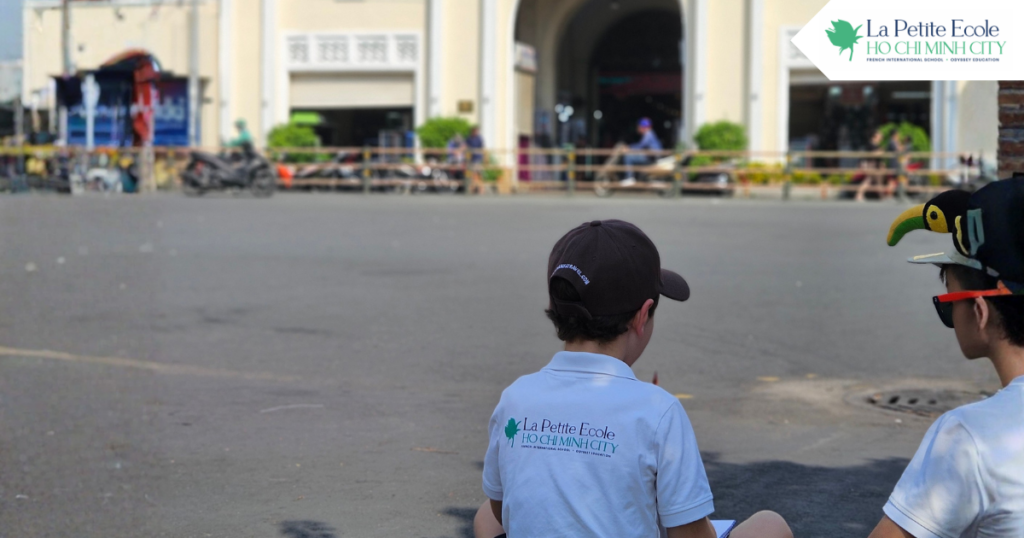
Field trips make history feel real instead of abstract. A museum visit offers nuance that a textbook simply cannot.
Ho Chi Minh City is rich with living history for young learners. Local museums, temples, and heritage sites turn a lesson into an experience.
When travel is not possible, use virtual tours. Children can explore the Great Wall or the pyramids from the classroom. Many world heritage sites now offer free online walkthroughs.
Before any trip, give children a small mission. Ask them to find one object that tells a story. This focuses their attention and sparks questions.
6. Encourage Opinionated Discussion
History grows more engaging when children think for themselves. Invite questions, opinions, and respectful disagreement.
Ask what a leader could have done differently. Ask how people at the time might have felt. These prompts build critical thinking and genuine curiosity.
Treating history as a conversation, not a fixed script, keeps minds active. Children remember what they help interpret.
Useful conversation starters include:
- If you lived then, what choice would you have made?
- Do you think this decision was fair?
- How might this story be told differently by another person?
7. Build Connections Through Historical Figures
People bring history to life better than broad timelines do. Focus on individuals whose stories children can admire.
Highlight courage, curiosity, or perseverance in real figures. These traits give children role models and emotional anchors.
First-person accounts work especially well. Diaries, letters, and quotes help children connect with someone who truly lived it. Suddenly history feels like meeting a person, not reading a chapter.
8. Play History Games and Friendly Competition
Games turn review into play and keep energy high. Quizzes, timeline races, and trivia all work well.
Board games and card games built around eras reinforce sequence and cause. Children compete, laugh, and learn at the same time.
Collaborative challenges work well too. Group projects, scavenger hunts, and debates teach teamwork alongside history. Friendly competition gives children a reason to remember the details.
9. Connect History to Children’s Own Lives
History sticks when it feels personal. Link past events to a child’s family, city, or culture.
Encourage children to interview grandparents about earlier times. Their own family becomes a primary source. These stories often become a child’s favorite history lesson.
In Vietnam, local festivals and traditions offer a natural bridge. Children see that history is not far away. It lives in their daily world.
Quick Comparison: Which Method Fits Your Child?
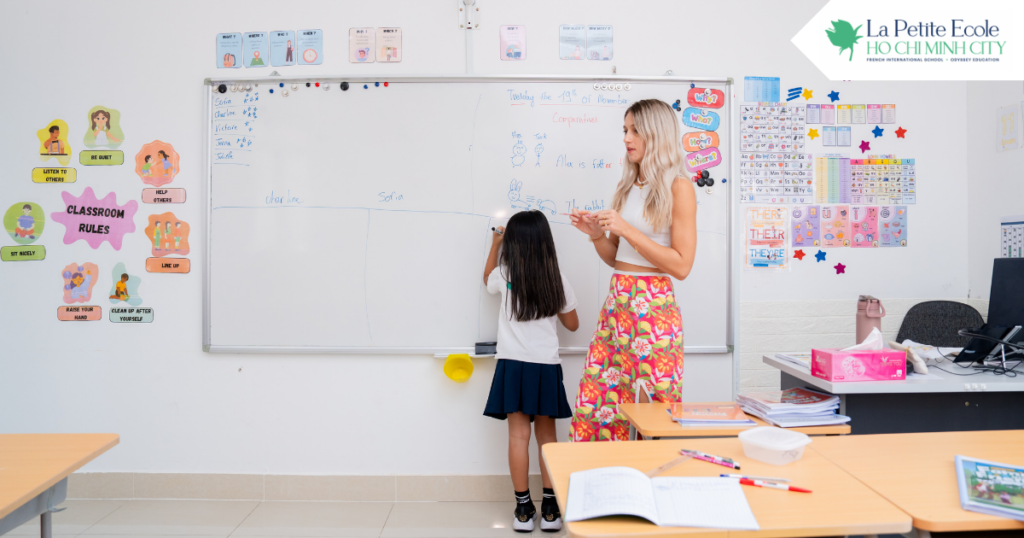
Use this table to match each method to your child’s age and your learning goal.
| Method | Best For Age | Main Benefit |
| Storytelling | All ages | Builds emotional connection and recall |
| Videos & podcasts | 6 and up | Captures attention, boosts retention |
| Role-play | 5 to 12 | Builds empathy and engagement |
| Art and crafts | 4 to 10 | Turns abstract ideas into tangible learning |
| Field trips | All ages | Makes history feel real |
| Discussion | 8 and up | Develops critical thinking |
| Historical figures | All ages | Provides relatable role models |
| History games | 6 and up | Makes review fun and active |
| Personal connection | All ages | Links history to a child’s own life |
The La Petite Ecole Ho Chi Minh City Perspective
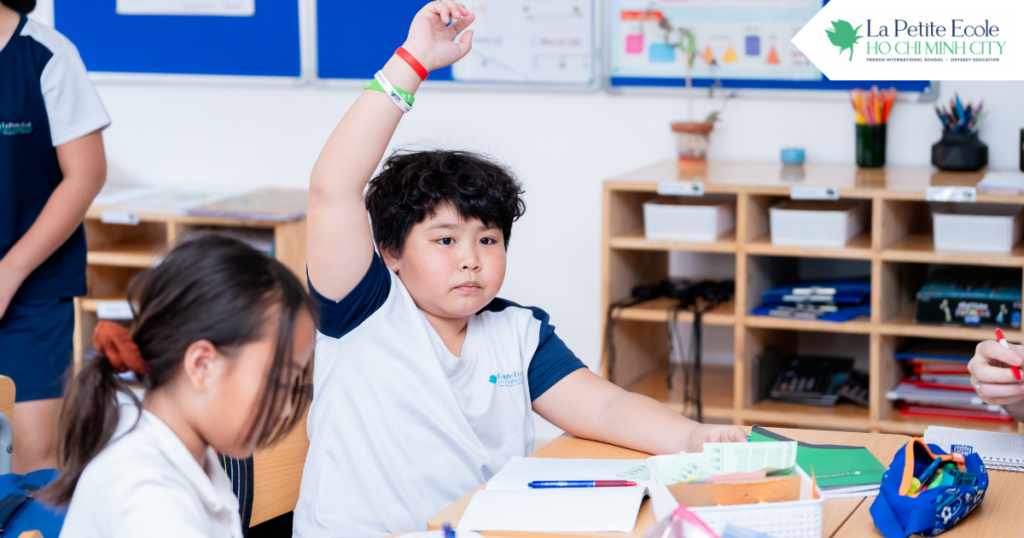
At La Petite Ecole Ho Chi Minh City, we believe history comes alive when children explore it in different ways over time. Stories, play, discussion, and inquiry each contribute to helping children connect with the past in meaningful ways.
In our experience, combining different approaches helps children see history as something to explore rather than simply remember.
Learning Across Languages and Cultures
We believe history becomes richer when explored through different perspectives. In a bilingual French and English environment, children naturally compare ideas, cultures, and historical viewpoints.
This helps children understand that history is not only about remembering facts. It is also about understanding different interpretations and experiences.
Following Curiosity First
Our advice to parents is simple: start with curiosity rather than memorization.
Children often engage more deeply when learning connects with their interests. For example, a child fascinated by knights may naturally become curious about:
- Historical periods
- Maps and geography
- Customs and traditions
- Important events and dates
Interest often creates opportunities for deeper exploration and lasting engagement.
Making History a Lifelong Love, Not a Chore
Learning how to teach kids history in a fun way comes down to one principle. Connect children to the human stories behind the facts.
Use stories, crafts, role-play, and real discussion together. Each method builds curiosity and turns the past into an adventure.
When children feel history, they remember it for life. A bored student forgets the test. A curious child keeps asking questions for years.
That lasting curiosity is the real goal. It outlasts any single lesson or exam.
Want to see inquiry-based, bilingual learning in action? Contact La Petite Ecole Ho Chi Minh City to discover how we help children fall in love with the past.
- Phone: 028 3519 1521
- Email: contact@lpehochiminh.com
- Address: 172 – 180 Nguyen Van Huong, An Khanh Ward, Ho Chi Minh city
FAQs
1. What is the best way to make history fun for young kids?
Start with storytelling. Children connect to people and emotions far better than to dates. Add hands-on activities like crafts and role-play to deepen the experience.
2. At what age should children start learning history?
Children can engage with simple history from around age four or five. Early lessons should focus on stories, family memory, and play rather than formal facts.
3. How do I help my child remember historical facts?
Tie facts to emotion and activity. Use games, field trips, and discussion. Memory strengthens when learning feels personal and active, not passive.
4. Can history be taught effectively at home?
Yes. Read historical fiction together, watch documentaries, and visit local sites. Interviewing grandparents also turns your own family into living history.
5. Why is a bilingual environment helpful for learning history?
A bilingual setting lets children compare cultural perspectives. This shows that history can be interpreted in different ways, which builds stronger critical thinking.
6. How long should a history lesson for kids last?
Keep lessons short and active. For young children, fifteen to twenty focused minutes often works best. End while interest is still high so they look forward to more.