

Is 18 Months Too Early For Nursery: Benefits and Things to Consider
No, 18 months is not too early for nursery for most children. Many settings accept children from this age, and many toddlers adapt well within a few weeks.
What matters more than the number is the individual child and the quality of the setting. How the transition is handled matters too.
Some children do benefit from waiting a few months. This guide covers both sides, the signs of readiness, and what to expect in the first term.
Key Takeaways
- Most children can start nursery at 18 months, though readiness varies from child to child.
- Quality of care and a gradual settling period matter more than the exact starting age.
- Separation distress in the first weeks is normal and usually eases within a month.
- More frequent minor illness in the first term is common and generally settles.
- Waiting a few months is a reasonable choice for some families, and is not a setback.
Is 18 Months Too Early For Nursery?
Many parents wonder whether to send their 18-month-old to nursery or keep them at home a little longer to become more independent. There’s no one-size-fits-all answer, as the ideal age for starting nursery varies across different cultures.
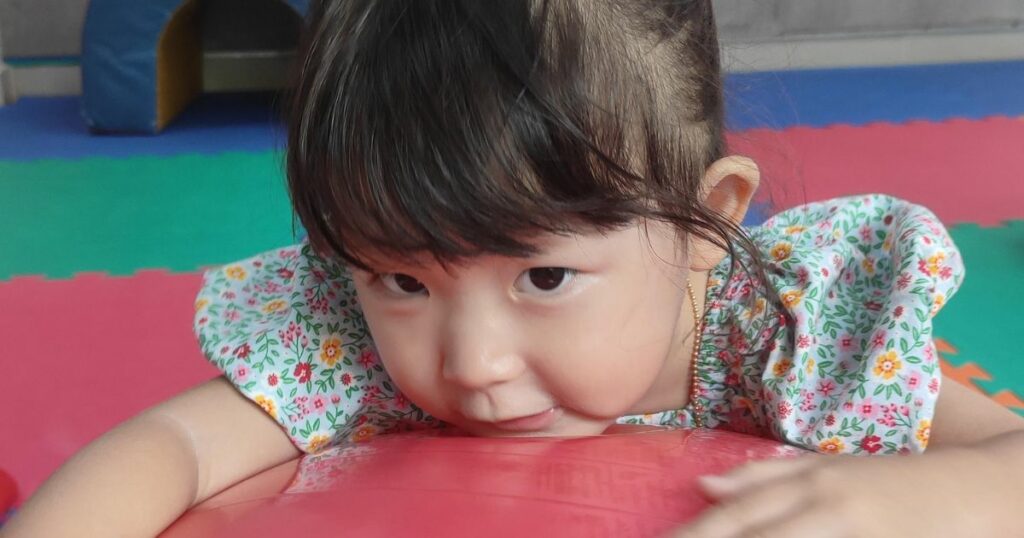
Ultimately, the decision depends on family circumstances and the individual child’s readiness. However, experts suggest that the period between 10 and 18 months is a prime time for developing social skills and personality. Therefore, starting nursery early during this stage can offer numerous benefits.
The decision of whether to send an 18-month-old to nursery ultimately rests on careful consideration and individual circumstances.
If you are weighing up ages more generally rather than 18 months specifically, our guide to the best age to start nursery compares typical starting ages and what changes at each stage.
Nursery, Daycare, Preschool: What Is the Difference?
Parents use these words differently depending on where they grew up. The distinction matters when comparing settings, because two schools may use the same word for different things.
| Term | What it usually means | Typical age range |
|---|---|---|
| Nursery | Early education setting with a structured daily rhythm | Around 18 months to 3 years |
| Daycare | Care-focused setting, often with longer opening hours | A few months to 5 years |
| Creche | Care for very young children, often attached to a workplace | A few months to 3 years |
| Preschool | Education-focused setting preparing children for primary school | Around 3 to 5 years |
| Kindergarten | Varies widely by country, sometimes preschool, sometimes first school year | Around 3 to 6 years |
These labels overlap and are not regulated the same way in every country. When comparing schools, ask about the daily routine, the adult-to-child ratio, and staff qualifications rather than relying on the name.
Signs Your 18-Month-Old May Be Ready
Readiness at this age is not about skills a child has mastered. It is about whether they can be comforted by another adult and cope with a new routine.
- They can be settled by a familiar adult who is not a parent
- They show interest in other children, even if they mostly play alongside rather than with them
- They manage a reasonably predictable nap and mealtime rhythm
- They can communicate basic needs, through words, pointing, or gestures
- They recover from being upset within a reasonable time once comforted
Very few toddlers tick every box. Two or three is usually enough, and the rest tend to develop quickly once a child starts.
The Benefits of Sending Your 18-Month-Old to School
Thinking about sending your little one to school? It’s a big decision, but it can be a great one! Starting school early can offer numerous advantages for your child’s development.
1. Expert Care and Nutritious Meals
A common concern among parents is whether their child will receive adequate care in a nursery setting. However, most nursery teachers are highly trained professionals who are dedicated to providing the best possible care for young children. With their expertise and nurturing approach, they create a safe and stimulating environment that supports your child’s growth.
Nurseries also offer well-planned meals that provide the essential nutrients your child needs to thrive. The menus are typically varied and packed with vitamins and minerals to encourage healthy eating habits.
2. A Language Boost for Your Toddler
One of the biggest benefits of sending your 18-month-old to nursery is the rapid development of their language skills. Surrounded by other children and caring adults, your child will have plenty of opportunities to practise talking and listening.
From group activities to one-on-one interactions with their teachers, school provides a rich language environment that helps children learn new words and improve their pronunciation.
3. Enhanced Learning and Cognitive Development
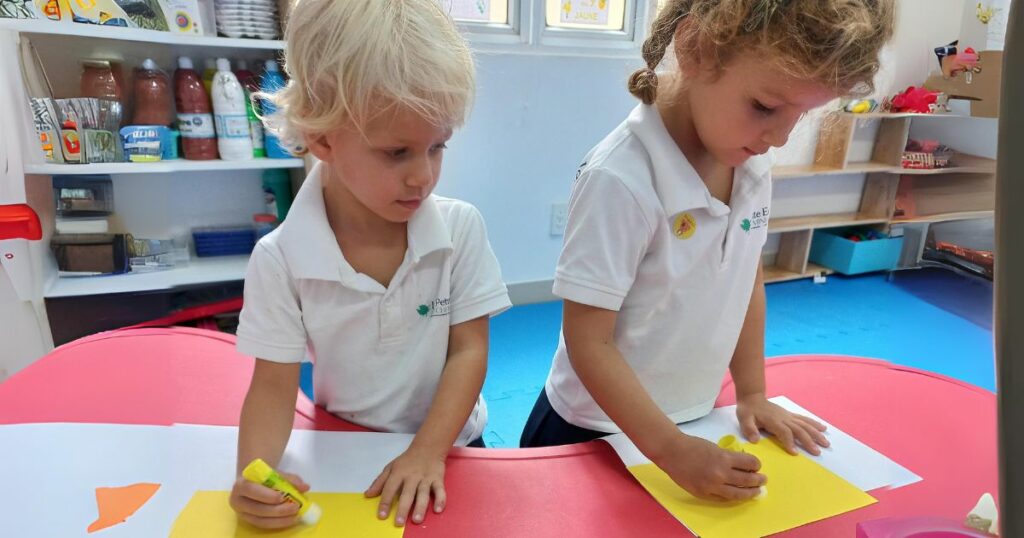
School provides a stimulating environment that supports your child’s cognitive development. With the help of qualified teachers, children learn through play and exploration, developing important skills like problem-solving and creativity.
From singing and dancing to arts and crafts, school offers a wide range of activities that cater to your child’s growing mind. As a result, they become more confident, independent, and ready to take on new challenges.
>> Read more: 15 Cognitive Development Activities for Children
4. Easy Adaptation to a New Environment
Many parents worry about sending their 18-month-old to nursery too early. In fact, this age is an ideal time for children to start adapting to a new environment. At this age, they’re usually more open to new experiences and less clingy to their parents.
If you wait until your child is older to start nursery school, they may find it harder to adjust to a new routine and make new friends. The transition away from home can be more difficult for older children, leading to anxiety and fear.
By starting nursery early, your child will have plenty of time to become familiar with their new surroundings and form positive relationships with their peers and teachers. This can help them develop important social skills and build confidence.
5. Developing Independence
Nursery is the perfect environment for children to learn independence. Teachers guide children through everyday tasks, such as self-feeding, dressing themselves, and tidying up their toys. Through these experiences, children develop good habits and learn to take responsibility for their own actions.
Additionally, interacting with peers helps children learn to share, cooperate, and be considerate of others. These experiences help them build strong friendships and develop a sense of belonging.
The everyday self-care habits that support this are covered in our guide to self-care skills for kids.
6. Learning to Follow Rules
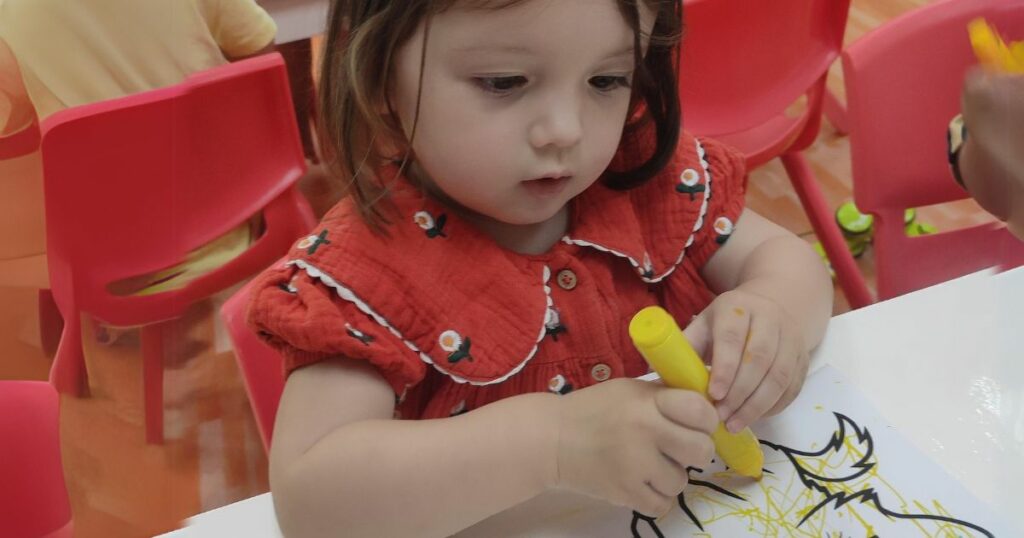
Nursery is like a mini-society where children learn to live with others. They learn about rules and routines, such as taking turns, waiting patiently, and respecting others’ opinions. These experiences help children develop good habits and become well-rounded individuals.
These early habits sit inside the broader picture of life skills for children that develop across the nursery and primary years.
When Waiting a Few Months Makes Sense
Most children do well starting at 18 months, but not every family should. An honest answer includes the situations where waiting is the better call.
- A recent major change at home. A new sibling, a house move, or a bereavement is a lot to absorb alongside a new setting.
- Ongoing health concerns. A child recovering from illness or with a condition needing close monitoring may benefit from more time.
- No settling period on offer. If a setting cannot offer a gradual start, waiting for one that can is usually worth it.
- The family is not ready. Parental confidence matters. Children read hesitation, and a settled parent makes settling easier.
Waiting until 24 months is a common and perfectly reasonable choice. It is a difference in timing, not a disadvantage.
Half Days or Full Days at 18 Months?
Many families start with half days and extend later. Both work, and the right answer depends on the child and the household.
- Half days often suit children who tire quickly, families with flexible schedules, and any child in the first few weeks of settling.
- Full days often suit children who nap well away from home, and families who need consistent cover for work.
A common pattern is two or three half days for the first fortnight, then building up. Ask whether a setting allows this before enrolling.
Key Considerations When Starting Your Child in School
Deciding to send your child to nursery is a significant milestone. To ensure a smooth transition, parents should consider the following:
1. Choosing the Right School
Carefully research potential nurseries, considering factors such as curriculum, facilities, staff qualifications, and whether the setting aligns with your child’s personality and needs.
A few questions are worth asking on every visit:
- How many adults are with each group, and does that ratio hold all day?
- What does the settling period look like, and how long does it usually take?
- How do you handle a child who is still upset after two weeks?
- What happens at nap time if a child does not sleep?
- How and when do you communicate with parents during the day?
The answer to the third question tells you the most. It reveals how a setting responds when things are not going smoothly.
2. Getting Your Child Ready
In the weeks leading up to the start of school, excite your child by talking about the fun things they can do there, such as making new friends and playing games. This will help reduce anxiety and build anticipation.
It’s also a good time to start getting them used to a new routine. For instance, you could start adjusting their sleep schedule to match nursery hours, and introduce a regular mealtime routine to prepare them for nursery’s feeding times.
3. Gathering Essentials
Help your child feel like a big kid by involving them in preparing their bag with essentials like a water bottle, spare clothes, etc.
A practical list usually includes spare clothes, nappies, a water bottle and indoor shoes. A sun hat and a comfort object are worth adding.
Label everything. At this age children do not track their own belongings, and unlabeled items disappear quickly.
4. Happy Goodbyes On The First Week
Starting a nursery can be a big step for both child and parent. Many nurseries offer an adaptation period to help make the transition smoother. During this time, children gradually increase the amount of time they spend at nursery. A key element in making this process easier is saying goodbye with a smile. Short, cheerful farewells can help alleviate separation anxiety and create a positive start to the nursery day.
5. Open Communication with Teachers
Regularly communicate with your child’s teacher to stay updated on their progress and discuss any concerns.
In the first term, a short daily handover matters more than a formal meeting. Ask how your child ate, slept, and settled, rather than what they learned.
Share changes at home too. A disrupted night or a new sibling explains a lot of behavior that teachers would otherwise be guessing about.
Starting Nursery in Ho Chi Minh City
A few things are specific to families here, whether Vietnamese or newly arrived.
Many Vietnamese families start later, often around two to two and a half years. Grandparents frequently provide care before that. Starting at 18 months is a choice rather than the norm, and either path is common locally.
For families who have recently relocated, a settling period often overlaps with adjusting to a new country. Allowing extra time in the first term is sensible when everything else is new too.
Weather shapes the daily rhythm. Ask how outdoor time is handled during the rainy season and through the hottest part of the afternoon.
The role of home routines during a transition like this is covered in our article on the role of family in child development.
La Petite Ecole Ho Chi Minh: The Perfect Start for Your Child
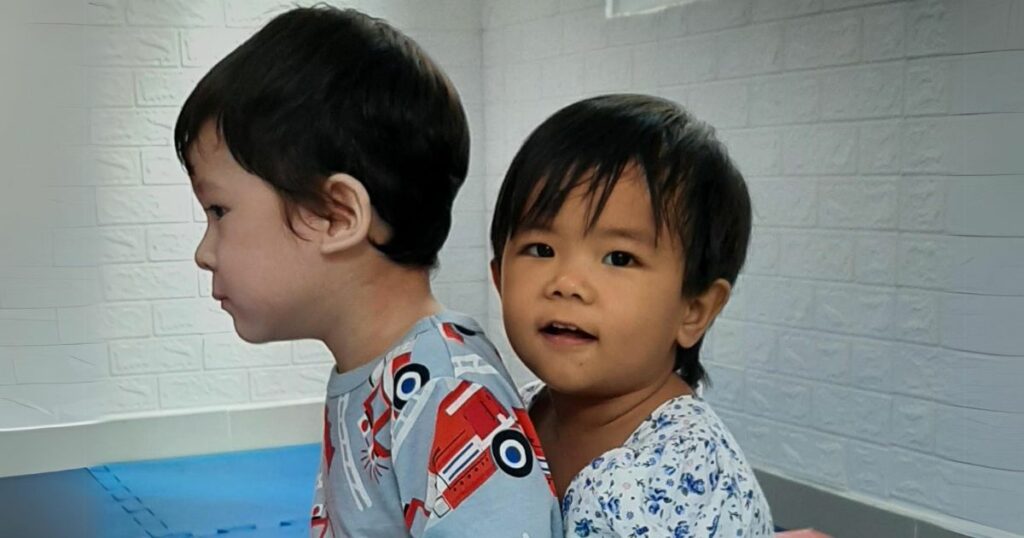
Located in Thao Dien, District 2, La Petite Ecole Ho Chi Minh International school offers a high-quality education for children as young as 18 months.
With a bilingual French-English curriculum, La Petite Ecole Ho Chi Minh provides children with exposure to two cultures, fostering language development and critical thinking skills. The modern learning environment and experienced teachers create a stimulating space for children to explore the world around them.
You can read more about our International Nursery programme or see the admissions process for age requirements and enrolment dates.
We hope this article has helped you decide whether or not to send your 18-month-old to school. If you have any questions or would like to learn more, please contact La Petite Ecole Ho Chi Minh for personalised advice.
- Phone: 028 3519 1521
- Email: contact@lpehochiminh.com
- Address: 172 – 180 Nguyen Van Huong, An Khanh Ward, Ho Chi Minh city
Frequently Asked Questions
- Is 18 months too early for nursery?
No, 18 months is not too early for most children. Many nurseries accept children from this age, and most toddlers settle within a few weeks.
Readiness varies between children. The quality of the setting and a gradual settling period matter more than the exact age. Waiting a few months is also reasonable.
- Is daycare good for an 18 month old?
Good quality group care at this age supports language, social confidence, and independence. Children get more conversation and more play with peers.
The benefit depends heavily on the setting. Adult-to-child ratio and staff consistency matter most, so ask about both when visiting.
- What age do children usually start nursery?
It varies widely by country and by family. Some settings accept babies from a few months old, while others start at three.
In Vietnam, many children start between two and two and a half. There is no single correct age, and 18 months sits well within normal range.
- How long does it take an 18 month old to settle into nursery?
Most children settle within two to four weeks, though some take longer. Protesting at drop-off during this period is normal.
A consistent morning routine and a gradual start both shorten the process. Raise it with teachers if intense distress continues past six weeks.
- Will my 18 month old get sick more often at nursery?
Most children do have more coughs and colds in the first term. Group settings expose young children to more common viruses than home care does.
This usually settles by the second year as immunity builds. Plan for some unexpected days at home early on, and agree illness rules with the setting.
- Half days or full days for an 18 month old?
Many families begin with half days and extend once the child has settled. Half days often suit children who tire quickly.
Full days suit children who nap well away from home and families needing consistent cover. Ask whether a setting allows a phased build-up.
- What is the difference between nursery, daycare and preschool?
The words overlap and are used differently by country. Nursery usually means an early education setting from around 18 months.
Daycare is more care-focused with longer hours. Preschool generally serves children from three. Compare the daily routine rather than the label.
- How do I know if my child is ready for nursery?
Look at whether they can be comforted by a familiar adult who is not a parent. Interest in other children and a fairly predictable nap rhythm also help.
Being able to communicate basic needs, by words or gestures, is another sign. Very few toddlers tick every box, and the rest develops quickly after starting.