


Learning Numbers for Kids: 10 Gentle and Natural Approaches
To teach numbers to kids, start small and make it playful: count real objects together, sing counting songs, point out numbers in daily life, and connect each number to a quantity rather than just its name. Most children learn best through short, repeated, hands-on moments, no worksheets or pressure needed.
Introducing numbers to young children is a meaningful step that supports early thinking skills and strengthens their ability to observe the world around them. That said, learning numbers for kids doesn’t have to be limited to a classroom setting. In fact, when counting is gently woven into daily routines, parents can support their child’s understanding of numbers in a way that feels fun, natural, and enjoyable.
In this article, La Petite Ecole Ho Chi Minh City shares over 10 age-appropriate and engaging ways to encourage children to explore numbers through everyday experiences.
Key Takeaways
- Most children begin showing interest in numbers between about 18 months and 3 years, then build steadily through the preschool years
- Teach numbers step by step: recognize the numeral, count out loud, match numbers to quantity, then explore order and simple writing
- Connecting a number to a real quantity (one-to-one correspondence) matters more than reciting 1 to 10 from memory
- Songs, movement, everyday counting, and hands-on play work far better than worksheets for young children
- Every child learns at their own pace, so keep it short, playful, and pressure-free
How to Teach Numbers to Kids Step by Step
Teaching numbers works best as a gentle sequence rather than all at once. These stages build early numeracy skills naturally, and children often move between them at their own pace.
- Recognize the numbers. Help your child notice and name numerals 1 to 10 in books, on doors, and in daily life. At this stage it is simply about spotting and saying them.
- Count out loud. Practise rote counting through songs and countdowns so the sequence of number words becomes familiar and fun.
- Match numbers to quantity. This is the key step: count real objects one at a time so each number matches one item. This is called one-to-one correspondence, and it turns counting into real understanding.
- Explore order and comparison. Once counting feels easy, play with which number comes next, what is more or fewer, and counting backward from 10 to 1.
- Start simple number writing. Only when a child is interested, let them trace or form numbers through drawing, playdough, or finger tracing. Keep it playful and never rushed.
There is no need to finish one stage before touching the next. A child can sing counting songs while still learning to match numbers to objects. Follow their interest and keep each moment short.
When Do Kids Learn Numbers
At what age can children begin to learn about numbers?
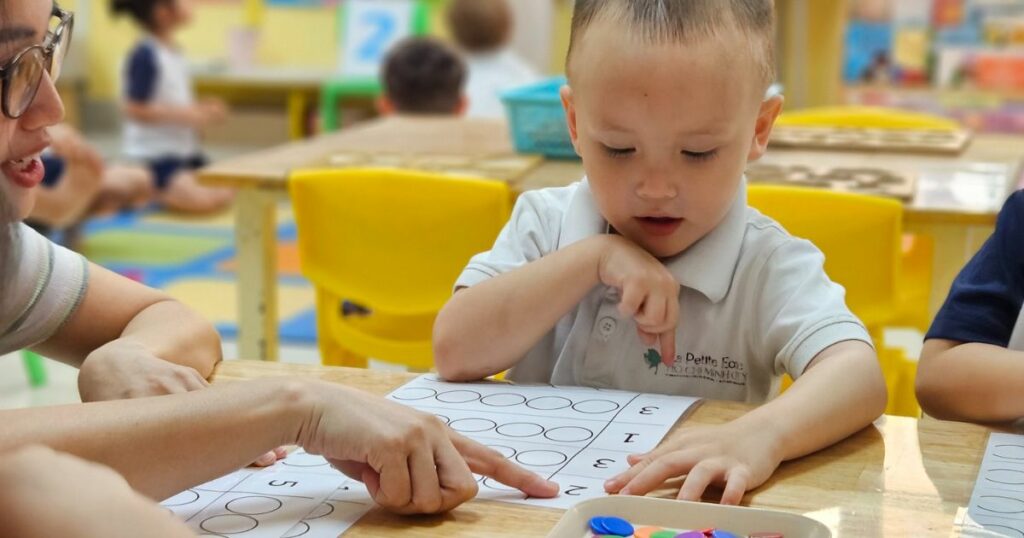
Many children start recognizing and showing interest in numbers as early as when they begin talking, typically between 18 months and 3 years old. However, this timeline may vary for every child. The right time to introduce numbers often depends on your child’s curiosity, interest, and desire to explore simple ideas related to quantity or order.
Signs Your Child Is Ready to Discover Numbers
Here are some common signs to look out for:
- Your child repeats numbers they hear in conversations.
- They start recognizing numbers in books, on walls, or during playing with numbers.
- They naturally count items like “one car, two cars…”
- They enjoy songs or stories that involve counting.
Ages 1 to 5: A Wonderful Time to Explore Numbers from 1 to 10
Ages 1 to 5 are often considered a golden window for children to begin connecting with numbers. During these years, children tend to absorb visual patterns, repeat sounds, and learn through playful interactions with ease. That’s why gently integrating numbers into familiar routines, like counting fruit, stair steps, toys, or fingers, can be one of the most effective ways to encourage learning without pressure.
Teaching Numbers by Age: Toddlers, Preschoolers, and Kindergarten
Toddlers (about 1 to 3 years)
Keep it sensory and repetitive. Count fingers and toes, sing number songs, and count small sets of objects (“one banana, two bananas”). The goal is exposure and enjoyment, not memorising. Focus on numbers 1 to 5 first, then gently extend to 10.
Preschoolers (about 3 to 5 years)
Preschoolers are ready to match numbers to quantity and notice order. Count everyday objects together, play number-jump and find-the-number games, and let them start recognising written numerals. Hands-on play supports their cognitive development while keeping numbers fun.
Kindergarten (about 5 to 6 years)
Kindergarten children can count higher, compare quantities, count backward, and begin forming numbers. Simple brain games, sorting, and counting in real situations help build confidence before more formal school maths.
These bands are gentle guides, not fixed rules. A curious 3-year-old may enjoy kindergarten-style games, and that is perfectly fine, follow the child.
10+ Fun and Effective Ways to Help Kids Learn Numbers
Learning numbers for kids doesn’t have to be complicated, what matters most is keeping it joyful and age-appropriate. Here are over 10 ideas to help children explore numbers in meaningful ways.
1. Start with Counting from 1 to 10
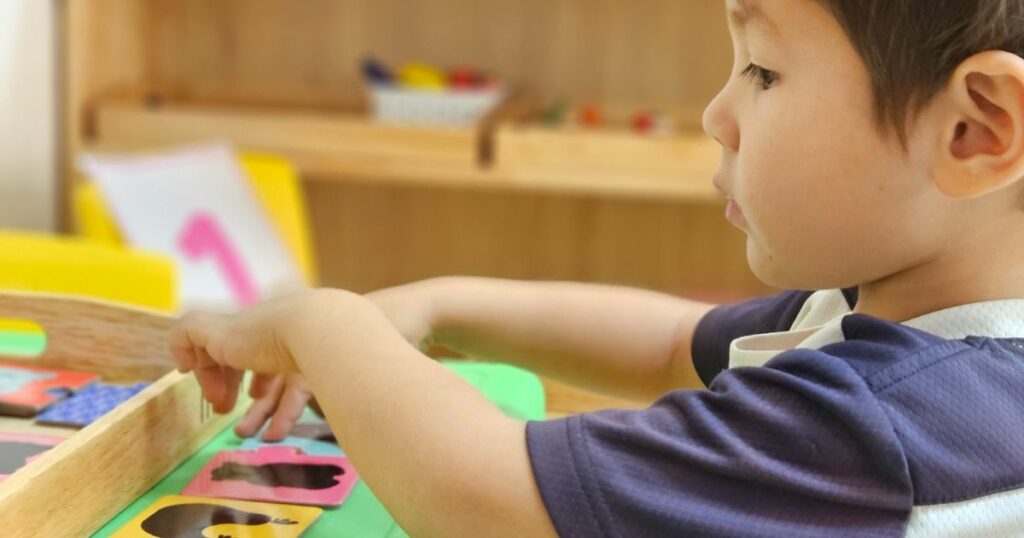
Introducing numbers 1 through 10 is the perfect first step for young children. Instead of asking them to memorize, try using everyday objects like building blocks, toys, or picture books to help them recognize and count.
Example: Ask, “How many cookies do you have?” and count together: 1-2-3.
- Use colorful, eye-catching items to grab their attention.
- Avoid overwhelming them with too many objects at once.
2. Use Songs, Rhymes, and Kid-Friendly Music
Music makes learning feel like play. Simple, cheerful songs that include numbers help kids learn naturally without pressure.
Here are a few counting song examples:
- “Five little duck”
- “Ten Little Monkeys Jumping on the Bed”
When singing with your child, add small movements like clapping, showing fingers, or dancing. This builds engagement and strengthens emotional connections during learning about numbers.
Read more: 15 Fun and Creative Music Games for Preschoolers
3. Play Interactive Counting Games
Kids absorb knowledge best through hands-on activities. Try games that involve both movement and numbers for kids to learn:
- Number Jump: Draw number boxes on the floor and have your child jump to the number you say.
- Find the Number: Place number stickers around the room and ask your child to find the correct one.
- Object Counting: Count items like spoons, cups, or crayons together.
These movement-based activities not only help children remember numbers more effectively but also strengthen their motor skills and focus.
4. Introduce Numbers Through Drawing and Coloring
Creative activities like drawing and coloring help kids build visual memory and imagination. Try color-by-number exercises: for example, number 1 = red, number 2 = yellow.
These moments also allow parents and teachers to bond with children by exploring numbers together in a relaxed and joyful way.
5. Use Number Flashcards and Educational Toys

Flashcards and number-themed toys are visual and interactive tools that make it easier for kids to recognize and remember numbers.
Popular options:
- 1 to 10 Flashcards: Include cute illustrations for visual stimulation.
- Number Puzzles: Allow children to count while they play.
- Colorful Number Blocks: Connect numbers with shapes and colors.
Flashcard tips at home:
- Introduce 2–3 cards at a time.
- Ask simple questions like, “What number is this?” or “Which number belongs to the teddy bear?”
- Repeat flashcard use in daily routines, before bed, during meals, or while waiting.
This creates a positive and consistent learning habit.
6. Connect Numbers with Familiar Daily Objects
Linking numbers to things your child sees every day makes it easier for them to remember and understand quantity.
Simple associations:
- 0 = egg: The round shape helps them relate.
- 2 = duck: The curve looks like a duck’s neck.
- 5 = hand: Counting five fingers is an intuitive number activity.
You can also turn these associations into fun little stories to make learning feel more like play.
7. Incorporate Numbers into Everyday Routines
Kids don’t need a desk to learn numbers, they learn best through real-life experiences.
Try these:
- Count stairs as you go up and down.
- Count spoons, milk cartons, or fruit during meal prep.
- Point out house numbers, phone numbers, or license plates.
This “natural counting” approach helps kids see numbers as a part of daily life and builds understanding without formal lessons.
8. Explore Number and Counting Books
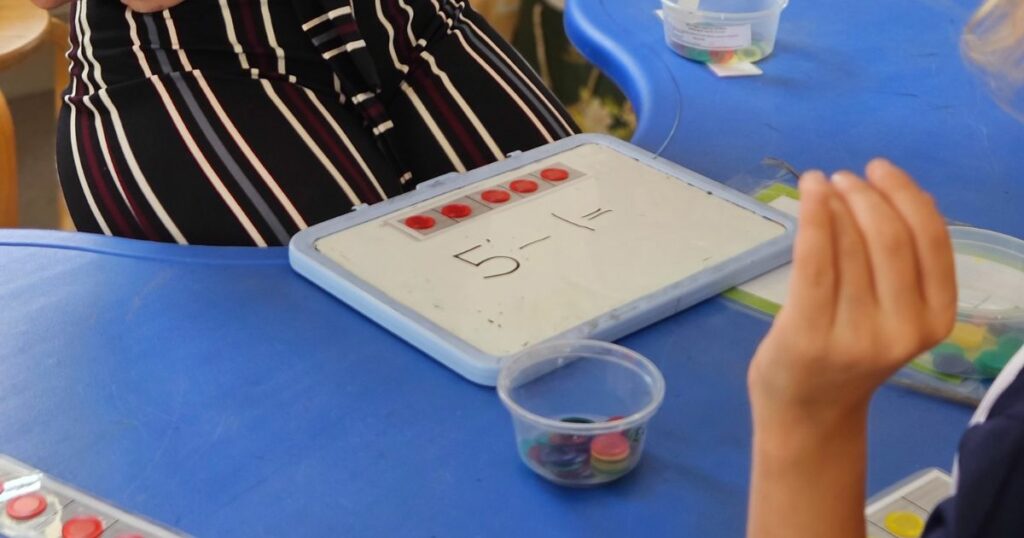
Number books designed for kids should be colorful, simple, and full of engaging illustrations. Choose books based on your child’s age and interests to keep them excited about learning.
Some examples include:
- Real-life photo illustrations.
- Storytelling through numbers.
- Soft and safe quiet books for kids under age 3.
Books can become a comforting and fun tool to support your child’s early math learning journey.
9. Use the Body to Learn Numbers
The human body is a familiar and fun tool for number learning.
Try:
- 2 eyes
- 5 fingers
- 1 nose
- 10 toes
Encourage movement games, point to body parts or count together in the mirror. This builds number recognition while helping children become more aware of their own bodies.
10. Introduce Reverse Counting from 10 to 1
Counting backward is exciting and introduces that numbers can go in both directions.
Benefits of reverse counting:
- Builds logical thinking.
- Prepares the brain for more advanced math.
- Strengthens memory and response speed.
Use countdowns in real life:
- “Let’s play music in… 10, 9, 8… 1!”
- “Ready to jump? Let’s count down!
Kids love countdowns because they add surprise and fun.
11. Make DIY Number Books and Crafts at Home
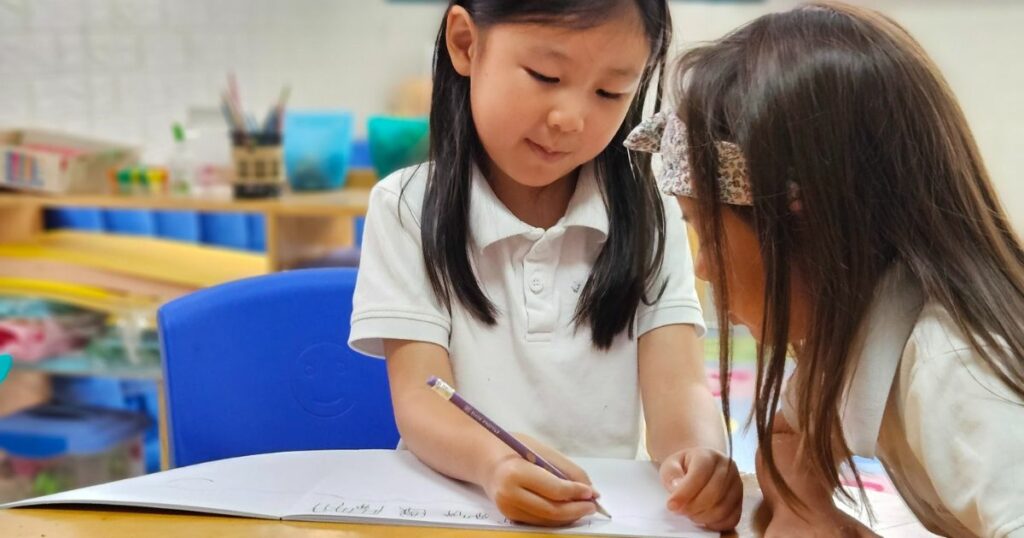
Creating number-themed crafts together is a great way to learn and bond as a family.
Ideas:
- Make a handmade number book from colorful paper, one page per number.
- Cut out numbers using foam, yarn, leaves, or buttons.
- Create number collages with recycled materials.
These activities spark creativity, support fine motor skills, and build confidence as kids get hands-on with their own number creations.
Important Things to Keep in Mind When Helping Kids Learn Numbers
Introducing numbers to young children is a fun and meaningful part of their early development. To make the experience feel natural and enjoyable, here are a few helpful tips for parents:
- For children under age 3, focus on numbers from 1 to 10. This is the perfect age to spark curiosity about numbers through visuals, sounds, and simple games.
- Create a relaxed, positive learning environment. Learning about numbers should be part of activities your child already enjoys, such as singing, moving, chatting, or playing with loved ones.
- Celebrate every small success. Acknowledge and praise your child when they recognize or remember a number, your encouragement goes a long way in building their confidence and motivation.
- Every child learns at their own pace. Some kids may quickly recognize numbers, while others respond better to physical activities or colorful visuals. Observing how your child interacts and adjusting your approach accordingly can make a big difference in how they enjoy learning.
Helping kids learn to count is a colorful and joyful journey. With patience and understanding, you’ll help your child make progress in a way that feels natural, enjoyable, and effective.
How Children Learn Numbers Naturally at La Petite Ecole Ho Chi Minh City
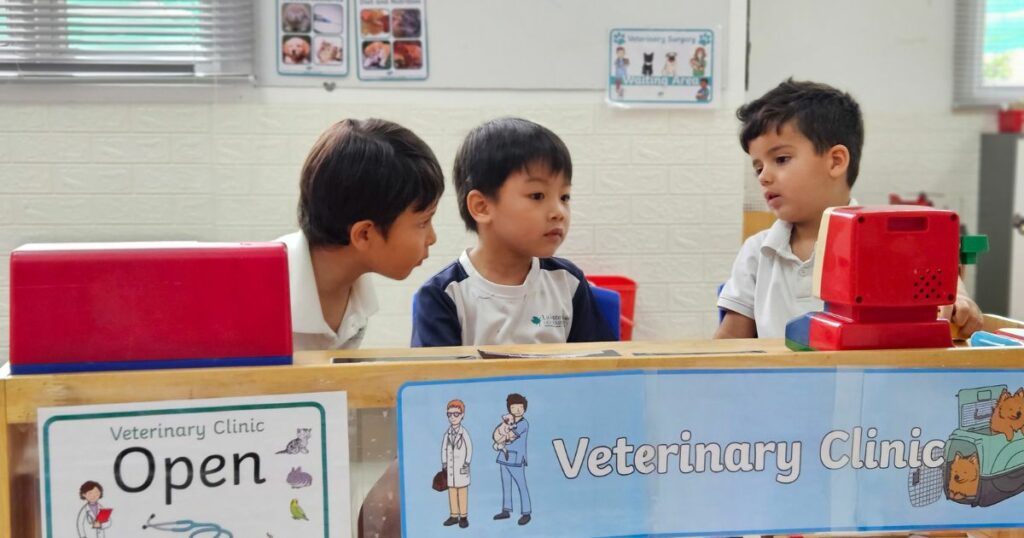
Learning numbers for kids is more than just counting 1, 2, 3, it’s the foundation for developing thinking skills, observation, and a love of learning. Through everyday activities like playing, singing, drawing, counting objects, or reading with parents, children naturally begin to understand numbers without pressure.
At La Petite Ecole Ho Chi Minh City, learning numbers is thoughtfully woven into multisensory activities and hands-on experiences. We believe every child is unique, with their own pace and personal interests. That’s why we create opportunities for children aged 1 to 11 to explore numbers in a way that is playful, age-appropriate, and tailored to their developmental stage.
In our own early years classrooms, we often see numbers click into place when children count real things they care about, snack pieces, steps, or friends in a circle, rather than through drills.
If you’d like to learn more about how La Petite Ecole Ho Chi Minh City nurtures children’s thinking and overall growth, feel free to get in touch. A child’s learning journey is always stronger when supported by a warm family and an inspiring school environment.
- Phone: 028 3519 1521
- Email: contact@lpehochiminh.com
- Address: 172 – 180 Nguyen Van Huong, An Khanh Ward, Ho Chi Minh city
Frequently Asked Questions
1. How do I teach numbers to my child step by step?
Start by helping your child recognise numerals 1 to 10, then practise counting out loud through songs. Next, count real objects one at a time so each number matches one item, which builds true understanding. After that, explore order and counting backward, and only introduce number writing once your child shows interest. Keep each step short, playful, and pressure-free.
2. At what age should kids start learning numbers?
Many children begin showing interest in numbers between about 18 months and 3 years old, often when they start talking. There is no fixed deadline, though, and the best time depends on your child’s curiosity and readiness. Signs include repeating numbers, counting objects naturally, and enjoying counting songs. Follow your child’s interest rather than a strict timeline.
3. How do I teach numbers to a 3-year-old?
For a 3-year-old, keep it sensory and playful. Count fingers, toes, and small groups of objects, sing number songs with movements, and point out numbers in daily life. Focus on numbers 1 to 5 first, then gently extend to 10. Avoid worksheets or memorising, since short, repeated, hands-on moments work best at this age.
4. How do I introduce numbers to preschoolers and kindergarten?
Preschoolers are ready to match numbers to quantity and notice order, so count everyday objects and play number-jump or find-the-number games. Kindergarten children can count higher, compare more and fewer, count backward, and begin forming numbers. At both stages, keep learning hands-on and connected to real situations rather than formal drills, building confidence before school maths.
5. What order should kids learn numbers in?
A helpful order is: recognise the numeral, count out loud in sequence, match numbers to real quantities (one-to-one correspondence), explore which number comes next and count backward, then start simple number writing. Children do not need to master one stage before touching the next; they often move between stages, so follow their interest and keep it flexible.
6. How can I teach numbers in English at home?
Use English counting songs, name numbers in English during everyday moments (“one apple, two apples”), and read simple English number books together. Repetition through play helps the words stick. In a bilingual home, it is fine to count in both languages; children can learn number words in more than one language at the same time without confusion.