


30+ Outdoor Activities for Kids That Encourage Movement and Nature Exploration
The early years are a time when children explore the world mainly through movement, sensory experiences, and real-life interactions. For preschool children, outdoor spaces offer valuable opportunities to observe, interact, and express themselves in a natural and relaxed way.
Outdoor activities for kids are not only about physical movement or releasing energy. When thoughtfully organised, each activity can help nurture curiosity, communication skills, and a genuine enjoyment of learning. The ideas shared below focus on simple, practical outdoor activities that allow preschool children to stay active while exploring their surroundings at their own pace.
Key Takeaways
- Outdoor activities for kids support preschool children’s physical development, emotional wellbeing, and social interaction in a natural way.
- Open spaces allow children to observe, explore, and express themselves according to their individual rhythm.
- Outdoor play brings the most value when activities are safe, flexible, and adapted to the needs of different groups of children.
- Gentle encouragement from adults helps children feel secure, confident, and more engaged during outdoor experiences.
Why Outdoor Activities for Kids Are Important in the Preschool Years
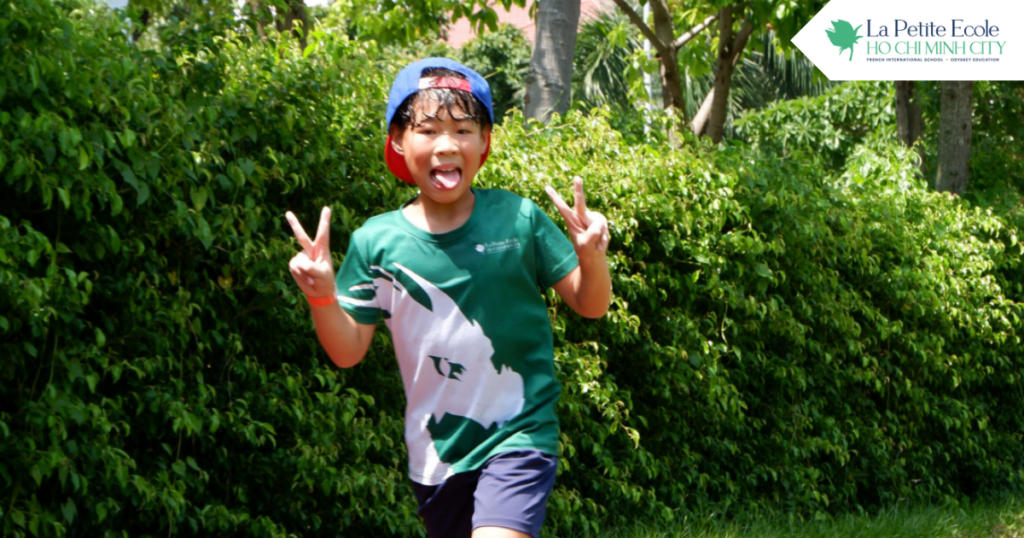
Outdoor activities for kids play an essential role in early childhood development, especially during the preschool years when children’s bodies, emotions, and social awareness are developing rapidly.
-
Supporting natural physical development
Through running, jumping, crawling, balancing, and coordinating their movements, children gradually gain control over their bodies. These physical experiences help children build strength, confidence, and a clearer awareness of their own abilities in open spaces.
-
Encouraging curiosity and observation
Outdoor environments offer endless opportunities for exploration, from sounds and colors to light and movement. Through outdoor activities for kids, preschool children can observe, ask questions, experiment, and develop their own understanding of the world through direct experience.
-
Nurturing communication and social connection
When playing with others, children learn to take turns, listen, cooperate, and express their feelings. These small interactions during outdoor play help children feel connected and develop a sense of belonging within a group.
-
Supporting emotional balance
Open spaces and gentle movement allow children to release tension, regulate their emotions, and return more easily to a calm, focused state for later activities.
30+ Outdoor Activities for Kids to Support Physical Development
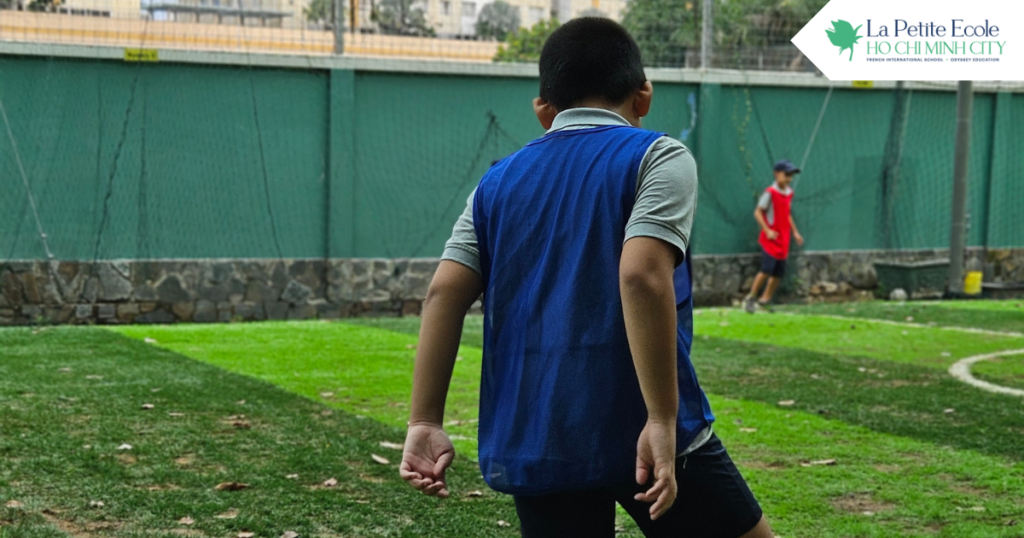
1. Hopscotch
Hopscotch is a familiar movement game that helps children develop balance, coordination, and overall body flexibility. Through this outdoor activity for kids, children can move freely in an open space and enjoy the simple pleasure of physical movement.
Preparation:
- A flat, safe outdoor surface
- Chalk or colored tape to draw the grid
How to play:
- Draw hopscotch squares in a straight line or zigzag pattern
- Children take turns hopping through the squares using one foot or both feet
- Adjust the distance between squares to keep the activity engaging
2. Hide and Seek
Hide and seek helps children strengthen observation skills, spatial awareness, and movement response. This outdoor activity for kids also encourages social interaction and excitement as children explore their surroundings.
Preparation:
- A spacious outdoor area with safe hiding spots
How to play:
- One child is chosen to count while closing their eyes
- Other children find suitable places to hide
- After counting, the seeker begins looking for friends within the play area
3. Simple Relay Race
A simple relay race is a gentle physical game that supports agility and turn-taking. It also encourages teamwork as children observe and cooperate with their peers.
Preparation:
- A small, easy-to-hold object such as a soft ball or fabric pouch
- A clear starting line and finish point
How to play:
- Divide children into small groups
- The first child runs to the finish point and back while holding the object
- The object is passed to the next child to continue the relay
4. Leaf Rubbing Art
Leaf rubbing allows children to observe natural details, explore texture, and express creativity through a calm, hands-on experience. This activity blends art with outdoor exploration.
Preparation:
- Leaves with visible veins
- White paper
- Colored pencils or crayons
How to play:
- Place a leaf under a sheet of paper
- Gently rub the pencil or crayon over the paper to reveal the leaf pattern
- Children can compare different leaf shapes and sizes
- Encourage sharing thoughts about colors and textures
5. Throwing Balls into a Basket
This activity helps children develop hand-eye coordination and concentration as they judge distance and aim their throws. It is well suited to outdoor play at a moderate activity level.
Preparation:
- Soft balls
- A basket or plastic container
How to play:
- Place the basket in a fixed position
- Children take turns throwing the ball into the basket
- Adjust the throwing distance based on age and ability
6. Playing with Soap Bubbles
Soap bubbles attract children with their colors and gentle movement, helping to develop observation skills and movement response. This outdoor activity for kids creates a relaxed and joyful atmosphere.
Preparation:
- Bubble solution
- Bubble wands
How to play:
- An adult blows bubbles into the air
- Children run, follow, and gently touch the bubbles
- Encourage children to watch how bubbles float and pop
7. Following a Drawn Path
Following a drawn path supports concentration and body control. The simple rules make it ideal for preschool children, with flexibility to adjust difficulty.
Preparation:
- Chalk or colored tape
- A flat outdoor surface
How to play:
- Draw straight, curved, or zigzag lines on the ground
- Children walk slowly or step carefully along the lines
- Change the patterns to keep the activity fresh
8. Obstacle Course
An obstacle course helps children build flexibility and adapt their movements when facing physical challenges. It also allows them to explore their physical limits in a safe environment.
Preparation:
- Soft cushions, hoops, or cardboard boxes
- A spacious outdoor area
How to play:
- Arrange obstacles into a simple pathway
- Children step over, crawl through, or walk around obstacles
- Rearrange obstacles to encourage different movement patterns
9. Animal Movement Imitation
Imitating animal movements encourages observation, imagination, and creative body expression. This activity often brings laughter and a cheerful group atmosphere.
Preparation:
- A wide outdoor space
- Optional animal picture cards for inspiration
How to play:
- Suggest a familiar animal
- Children copy how the animal walks, jumps, or crawls
- Invite children to suggest new animals to vary the movements
10. Color Scavenger Hunt in Nature
This game helps children sharpen observation skills and color recognition while gently exploring the natural environment. It encourages a calm and meaningful connection with nature.
Preparation:
- An outdoor space with plants or colorful objects
How to play:
- Name a specific color
- Children search for and point out objects in that color
- Change colors to extend playtime
11. Treasure Hunt
A treasure hunt encourages movement, observation, and patience. This outdoor activity for kids creates excitement and a sense of achievement as children discover hidden objects on their own.
Preparation:
- Small, safe objects
- A familiar outdoor space
How to play:
- Hide objects in easy-to-find locations
- Children move around the play area searching for the items
- When an item is found, children can share their feelings with friends
12. Rhythm Ball Passing Game
Passing a ball to a rhythm helps children develop hand–eye coordination, focus, and an awareness of rhythm. This game also encourages turn-taking and social awareness.
Preparation:
- One soft, lightweight ball
- A space large enough for children to sit in a circle
How to play:
- Children sit in a circle
- As music plays or the teacher claps a steady rhythm, children pass the ball to the next person
- When the music stops, the child holding the ball stands up and performs a fun movement (waving, spinning, a gentle jump)
- Continue with different rhythms to keep the activity engaging
13. Find Your Color Friend
This game encourages children to observe, recognise colors, and actively connect with classmates through movement and play.
Preparation:
- Color cards or wristbands in different colors
How to play:
- Each child receives a randomly assigned color card or wristband
- On a signal, children move around to find friends with the same color
- Once groups are formed, they sit down together or create a shared pose
- Colors can be changed to repeat the game
14. Sound and Action Guessing Game
This listening-based activity helps children strengthen auditory awareness, imagination, and quick response through movement.
Preparation:
- Familiar sounds such as rain, wind, birds, or vehicles (created by the teacher or played through a speaker)
How to play:
- The teacher plays or makes a sound
- Children listen carefully and guess what the sound represents
- They express their ideas through movements or body actions
- The group observes and shares thoughts together
15. Rock Painting
Painting on rocks helps children develop fine motor skills, focus, and personal expression using familiar natural materials.
Preparation:
- Smooth, clean pebbles
- Safe paints or drawing pens
- Hand wipes or towels
How to play:
- Children choose a rock they like
- They paint simple images, patterns, or faces on the surface
- Finished artworks can be displayed together
- The activity is open-ended, with no limits on creativity
16. Body Shape Creation Game
Creating shapes with the body encourages imagination, teamwork, and creative self-expression in a playful way.
Preparation:
- An open, uncluttered space
How to play:
- The teacher suggests a simple theme such as a tree, house, or animal
- Children work in small groups to create shapes using their bodies
- Each group presents their “creation”
- The teacher encourages observation and gentle sharing of impressions
17. Carry Items Back to the Nest
This movement game encourages whole-body coordination and helps children practise remembering and completing tasks.
Preparation:
- Small, safe objects such as balls, hoops, or bean bags
- Baskets or hoops to represent “nests”
How to play:
- Divide children into small groups, each with its own nest
- Objects are placed at one end of the play area
- Children take turns running to collect one item and bring it back to their group’s nest
- The round ends when all items have been collected
18. Stand–Sit on Command
This simple activity helps children practise listening skills, reaction speed, and body control in a calm and inclusive way.
Preparation:
- No equipment needed
How to play:
- The teacher gives simple commands such as “stand up” or “sit down”
- The pace can be adjusted from slow to fast to increase attention
- Children listen carefully before responding
- The game remains gentle, with no elimination
19. Spoon Passing Game
This activity encourages fine motor control, focus, and patience while completing a shared task.
Preparation:
- Large plastic spoons
- Small balls or pom-poms
How to play:
- Children line up in a row
- Each child uses a spoon to pass the object to the next child
- If the object drops, it is calmly picked up and passed again
- The game ends when the object reaches the last child
20. Build a Nature Tower
Building a nature tower helps children practise balance, problem-solving, and patience using natural materials found outdoors.
Preparation:
- Natural items such as stones, pinecones, or small pieces of wood
How to play:
- Children collect materials from the outdoor area
- They stack items carefully to create a tower
- If the tower falls, children can try again in a different way
- The teacher encourages reflection on what helped the tower stay balanced
21. Bird Watching
Bird watching helps children practise patience, attention, and curiosity about the natural world. This calm outdoor activity for kids encourages quiet observation and mindful connection with nature.
Preparation:
- A quiet outdoor space
- Picture cards of familiar birds (optional)
How to play:
- Children sit or stand quietly and observe their surroundings
- When a bird appears, they describe its color, size, or sound
- The teacher asks gentle questions to encourage sharing
- The activity is slow-paced and pressure-free
22. Water Play
Water play allows children to explore simple concepts such as full and empty, floating and sinking, while providing a relaxing sensory experience on warm days.
Preparation:
- A basin of water
- Cups, spoons, and safe plastic bottles
How to play:
- Children scoop, pour, and transfer water between containers
- They observe changes as water fills, spills, or overflows
- The teacher encourages experimentation and sharing discoveries
- Close supervision is maintained to ensure safety
23. Bug Hunt
Searching for insects helps children observe small living creatures while developing gentleness and respect for the environment.
Preparation:
- Toy magnifying glasses
- Clear containers (for brief observation only)
How to play:
- Children explore the garden or outdoor area looking for insects
- They use magnifying glasses to examine shapes and colors
- After observing, insects are released back into their natural habitat
- The teacher reinforces safety and gentle handling
24. Nature Sensory Walk
A nature sensory walk helps children connect with the environment through touch, sound, and sight, creating a calming and mindful experience.
Preparation:
- A path with grass, stones, or dry leaves
- A safe, enclosed outdoor area
How to play:
- Children walk slowly, noticing how the ground feels under their feet
- They listen to surrounding sounds such as wind, leaves, or birds
- The teacher invites children to describe sensations using words or gestures
- The activity remains relaxed and unhurried
25. Guess and Find Objects Game
This game helps children develop listening skills, memory, and early logical thinking through simple clues.
Preparation:
- Familiar classroom or outdoor objects
How to play:
- The teacher gives a clue such as “something blue” or “something used for drawing”
- Children look around and find a matching object
- When found, they show it and explain their choice
- Children are encouraged to listen to others’ ideas
26. Mud Pies
Making mud pies encourages creativity, imagination, and hands-on exploration with natural materials.
Preparation:
- Damp soil or clean mud
- Plastic moulds and spoons
How to play:
- Children mix mud and shape it into pies or cakes
- Leaves or small stones can be used for decoration
- Children share their creations with friends
- Hands are cleaned thoroughly after play
27. Line Up by Instruction
Lining up by instruction helps children practise organisation, listening, and cooperation within a group.
Preparation:
- No materials needed
How to play:
- The teacher gives simple instructions such as lining up by height, clothing color, or group size
- Children communicate calmly to find their place
- The group observes the result and adjusts if needed
- The game encourages patience and teamwork
28. Kite Flying
Kite flying allows children to observe the wind, practise patience, and experience the openness of outdoor spaces.
Preparation:
- Lightweight, child-safe kites
- An open area free from obstacles
How to play:
- Children watch how the kite rises with the wind
- They take turns holding the kite string
- The teacher invites children to describe how it feels to see the kite fly
- The activity is always supervised by adults
29. Painting with Water Guns
Painting with water guns offers an energetic and playful outdoor activity for kids, supporting hand–eye coordination and creative expression.
Preparation:
- Water guns
- A board, wall surface, or large sheets of paper
- Lightly colored water
How to play:
- Children spray colored water onto the painting surface
- They observe how colors spread and blend
- Children create freely in their own way
- The teacher ensures safe distances during play
30. Stick Maze
A stick maze helps children develop spatial thinking, problem-solving skills, and patience through hands-on exploration.
Preparation:
- Wooden sticks or small branches
- A flat outdoor surface
How to play:
- The teacher and children arrange sticks into a simple maze
- Children trace a path through the maze by walking or pointing
- The maze can be changed for future rounds
- Children are encouraged to try different solutions
31. Slow Walk – Fast Walk Game
This movement game helps children recognise tempo and practise controlling their body movements.
Preparation:
- No equipment needed
How to play:
- The teacher calls out “slow” or “fast”
- Children move according to the given pace
- “Stop” can be added to practise focused listening
- The game remains light, playful, and inclusive
32. Pair Up on Command
Pairing up on command encourages observation, quick reactions, and social connection.
Preparation:
- No materials needed
How to play:
- Children move freely around the space
- When the teacher says “pair up,” children stand next to a partner
- The instruction can change to groups of three or four
- The game supports flexibility and open communication
33. Match the Colors Game
This activity helps children recognise colors and practise completing simple tasks independently.
Preparation:
- Colored objects and matching containers
How to play:
- Children choose one object at a time
- They identify its color and place it in the correct container
- The teacher encourages children to double-check their choice
- The game can be played in small groups
34. Balance Walk
Balance walking helps children develop body control, focus, and confidence in movement.
Preparation:
- A straight line made with tape or chalk
How to play:
- Children take turns walking along the line
- They may try walking on tiptoes or with arms outstretched
- Children can pause whenever needed
- The teacher offers gentle encouragement based on each child’s ability
Things to Consider When Organising Outdoor Activities for Kids
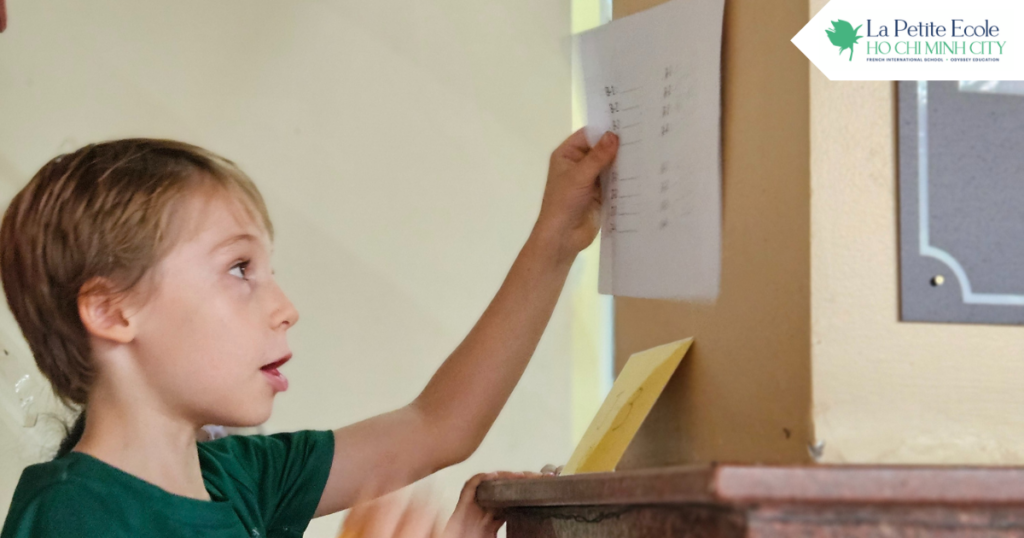
To ensure outdoor activities create positive experiences, adults should observe and adapt activities to suit the needs of each group of children.
-
Prioritizing safety and comfort
Play areas should be clean, level, and free from sharp or slippery surfaces. Any equipment used should be lightweight, safe, and appropriate for preschool-aged children.
-
Respecting each child’s pace and abilities
Children differ in confidence and energy levels. Some may enjoy active movement right away, while others prefer to observe before joining in. Allowing children to choose how they participate helps them feel respected and secure.
-
Keeping activities flexible and weather-aware
Outdoor activities for kids should take place for suitable periods of time and adapt to weather conditions. If children show signs of tiredness, it is important to allow rest or shift to a calmer activity.
-
Encouraging exploration rather than creating pressure
Outdoor play should focus on enjoyment and discovery. Gentle encouragement helps children feel comfortable trying new experiences without worrying about being right or wrong.
Nurturing a Love of Learning Through Outdoor Experiences
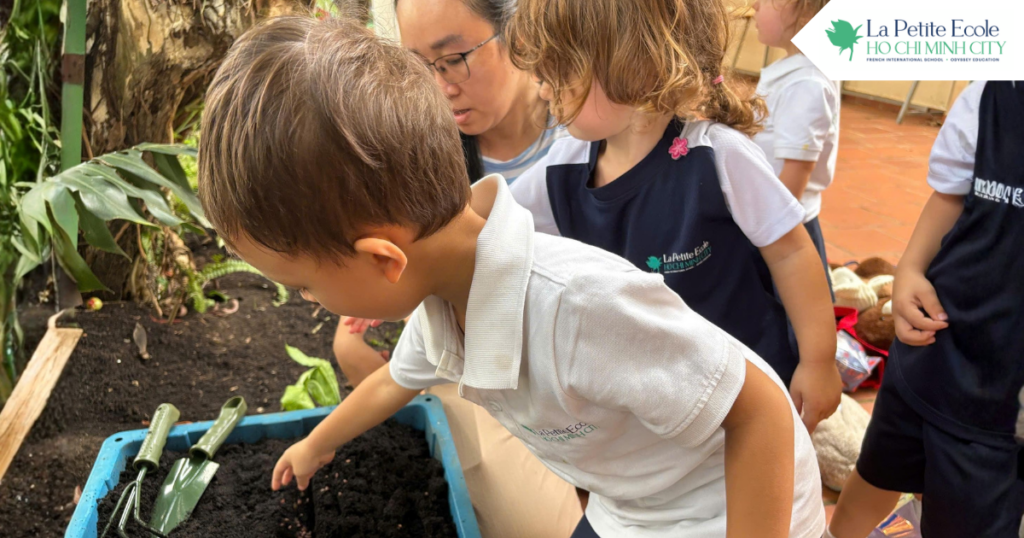
Outdoor activities offer preschool children more than just opportunities for movement. They provide meaningful moments to observe the world, connect with peers, and tune into their own feelings through simple, natural experiences. With thoughtful encouragement, each outdoor activity can become a valuable part of a child’s growth journey.
At La Petite Ecole Ho Chi Minh City, outdoor activities for kids are thoughtfully integrated into daily learning experiences. Children are encouraged to explore, interact, and develop at their own pace within a safe, engaging environment that values individuality. The school aims to work alongside families to nurture curiosity, a joy of learning, and a strong foundation for children’s overall development in the early years.
If families would like to learn more about how La Petite Ecole Ho Chi Minh City creates supportive learning environments and outdoor activities suited to preschool children, please contact the school for further information and personal consultation.
- Phone: 028 3519 1521
- Email: contact@lpehochiminh.com
- Address: 172 – 180 Nguyen Van Huong, An Khanh Ward, Ho Chi Minh City
FAQs About Outdoor Activities for Kids
1. How long should preschool children spend on outdoor activities each day?
The amount of time spent on outdoor activities for kids can be flexible, depending on age, physical condition, and weather. For preschoolers, shorter but regular outdoor play sessions often provide more positive experiences than long, tiring activities.
2. Should shy or less active children take part in outdoor activities?
Some children need extra time to observe before joining in. Allowing them to watch first, choose simple roles, or participate alongside a close friend can help them feel more secure and gradually engage at their own pace.
3. Do outdoor activities for kids require complex equipment?
Most outdoor activities for kids do not require complicated tools or special equipment. Everyday materials, or even no equipment at all, can be enough. What matters most is how the space is arranged and how flexibly adults guide the activity.
4. What can be done if the weather is not suitable for outdoor play?
When going outside is not possible, certain light movement games or imaginative activities can be adapted for indoor spaces. This allows children to stay active and release energy even when they cannot play outdoors.
5. How involved should adults be in outdoor activities?
Adults play a role in observing, supporting, and ensuring safety. Rather than directing every step, gentle guidance and presence help children feel confident, explore freely, and enjoy outdoor activities in their own way.