


Public Speaking Skills for Students: Building Confidence and Communication from an Early Age
Public speaking skills for students refer to a child’s ability to express ideas clearly and confidently in front of others, whether during class discussions, presentations, or everyday sharing activities. These skills play an important role in communication, confidence, and social interaction throughout a child’s school experience.
For young learners, public speaking is not about formal speeches or performance. It develops gradually through age-appropriate opportunities to share thoughts, tell stories, explain ideas, and listen to others. Each child approaches speaking differently, influenced by personality, language background, and cultural context.
This article explores why public speaking skills matter for students, common challenges children may experience, and how confidence in speaking can be encouraged in supportive learning environments such as La Petite Ecole Ho Chi Minh City.
Key Takeaways
- Public speaking skills for kids develop gradually through everyday communication, not only through formal presentations.
- Confidence grows best in supportive environments that respect each child’s personality, language background, and cultural context.
- Strong speaking skills help children express ideas clearly, listen effectively, and think with clarity across learning situations.
- Age-appropriate opportunities allow children to build confidence naturally over time.
What Are Public Speaking Skills for Students?
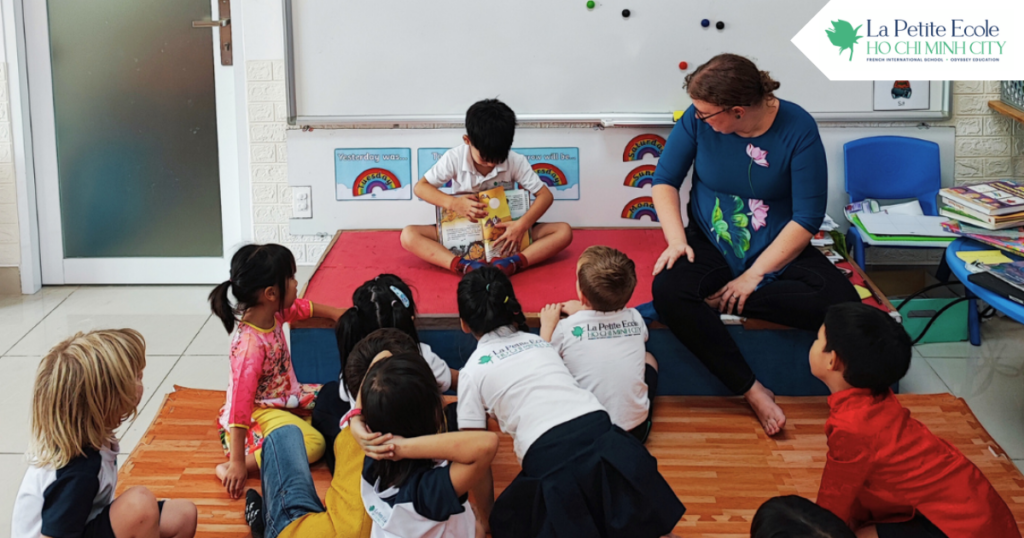
Public speaking skills for students refer to the ability to express thoughts, ideas, and feelings clearly and confidently in front of others. For young learners, this does not mean formal speeches. Instead, it includes everyday situations such as:
- Sharing an opinion during class discussions
- Presenting a simple project to classmates
- Telling a story or describing an experience
- Participating in group conversations
- Speaking during school events or performances
These skills involve more than just speaking loudly or memorizing words. They include organizing ideas, using appropriate language, listening to others, and responding with confidence.
For students in a school environment, public speaking is closely connected to communication, social interaction, and emotional development. As children grow, their speaking abilities evolve naturally when they are given supportive and encouraging opportunities to express themselves.
Why Public Speaking Skills Matter in Student Development
Public speaking skills play an important role in a child’s overall development. While each student progresses at their own pace, fostering confidence in speaking can support growth in several areas.
-
Building Confidence and Self-Expression
When students feel comfortable sharing their thoughts, they are more likely to participate actively in class. Speaking in front of others can help children feel seen and heard, which supports self-esteem and emotional awareness.
-
Supporting Clear Communication
Public speaking helps students learn how to organize their ideas and communicate them clearly. This skill supports learning across subjects, whether explaining a math solution, discussing a story, or presenting a science project.
-
Encouraging Listening and Respectful Interaction
Speaking in a group also involves listening. Students learn to take turns, respond thoughtfully, and respect different perspectives. These social skills are essential for collaboration and positive relationships.
-
Preparing for Future Learning Experiences
As students move through their academic journey, they will encounter more opportunities to present ideas, participate in discussions, and work in teams. Early exposure to speaking in supportive environments can help them feel more prepared and confident later on.
It is important to note that public speaking skills do not develop in the same way for every child. Cultural background, personality, and language experience all influence how students express themselves.
How Public Speaking Skills Can Grow at Different Ages
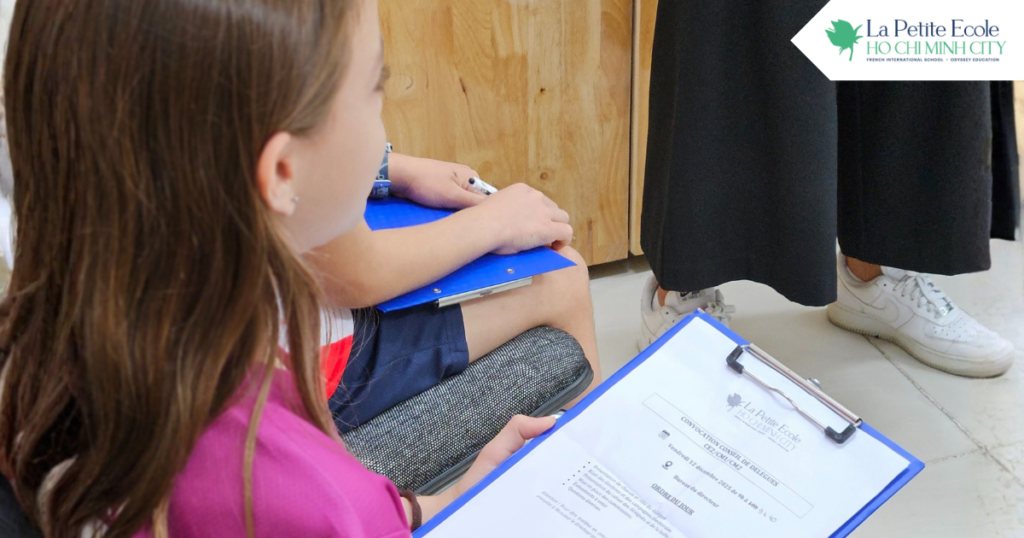
Public speaking skills develop gradually and change as children grow. Activities that support speaking should always be appropriate for the student’s age and stage of development.
Early Years (Approximately 4–6 Years)
At this stage, public speaking focuses on comfort and familiarity rather than performance.
Examples include:
- Show-and-tell activities with favorite objects
- Sharing simple stories or personal experiences
- Speaking in small groups with familiar classmates
- Singing songs or reciting short rhymes together
The goal is to help young learners feel safe expressing themselves and enjoying the experience of being heard.
Lower Primary (Approximately 7–9 Years)
As children grow, they become more capable of organizing thoughts and speaking for longer periods.
Activities may include:
- Short presentations supported by pictures or drawings
- Group storytelling where each child adds a part
- Describing a project or explaining how something works
- Sharing opinions during guided discussions
At this stage, collaboration and encouragement play an important role in building confidence.
Upper Primary (Approximately 10–11 Years)
Older primary students can begin exploring more structured speaking experiences.
These may involve:
- Presenting research or projects to the class
- Participating in group discussions or simple debates
- Answering questions from peers
- Reflecting on their own speaking experiences
Supportive feedback helps students focus on progress and clarity rather than perfection.
Common Challenges Students May Experience When Speaking in Front of Others
Many students experience challenges when speaking in front of a group. These challenges are natural and vary from child to child.
-
Nervousness or Fear of Making Mistakes
Some children worry about saying the wrong thing or being judged by others. This can lead to hesitation or reluctance to speak.
-
Shyness or Reserved Personality
Students who are naturally quiet may prefer observing rather than speaking. This does not mean they lack ideas, but they may need more time and reassurance to feel comfortable sharing them.
-
Difficulty Organizing Thoughts
Young learners may know what they want to say but struggle to structure their ideas clearly, especially when speaking spontaneously.
-
Speaking in a Second Language
For multilingual students, speaking in a non-native language can add an extra layer of challenge. Confidence often grows as language familiarity increases.
Understanding these challenges helps educators and families create environments where students feel supported rather than pressured.
Classroom Activities That Encourage Speaking with Confidence
Classroom activities play a key role in fostering public speaking skills. When integrated naturally into daily learning, speaking becomes a familiar and enjoyable part of school life.
1. Storytelling Circles
Students take turns sharing stories, whether personal or imaginative. This helps them practice speaking in a relaxed and creative setting.
2. Role-Play and Drama
Role-play allows children to speak through characters, which can reduce anxiety and encourage expression. Drama activities also support body language and voice modulation.
3. Poetry Reading and Recitation
Reading poems aloud helps students practice rhythm, pronunciation, and expression. Short and familiar texts are especially effective for younger learners.
4. Group Projects with Shared Speaking Roles
Group presentations allow students to share responsibility and support one another. Each child contributes in a way that feels comfortable.
5. Recorded Presentations for Reflection
Recording short presentations allows students to reflect on their speaking and recognize progress over time in a positive way.
These activities focus on participation and enjoyment rather than evaluation.
Practical Techniques That Support Clear and Confident Speaking
Alongside activities, simple techniques can support students as they express themselves.
1. Organizing Ideas Simply
Encouraging students to structure their thoughts with a beginning, middle, and end helps them stay focused and clear.
2. Using Eye Contact and Natural Gestures
Looking at listeners and using gentle gestures can help students feel more connected to their audience.
3. Speaking at a Comfortable Pace
Speaking slowly and clearly helps both the speaker and the listener understand the message.
Read more: Emotional Regulation for Kids: How to Help Your Child Manage Emotions
4. Breathing Calmly Before Speaking
Taking a deep breath before speaking can help reduce nervousness and create a sense of calm.
These techniques should always be introduced gently and practiced in supportive environments.
How La Petite Ecole Ho Chi Minh City Fosters Public Speaking Skills
-
Speaking as Part of Everyday Learning
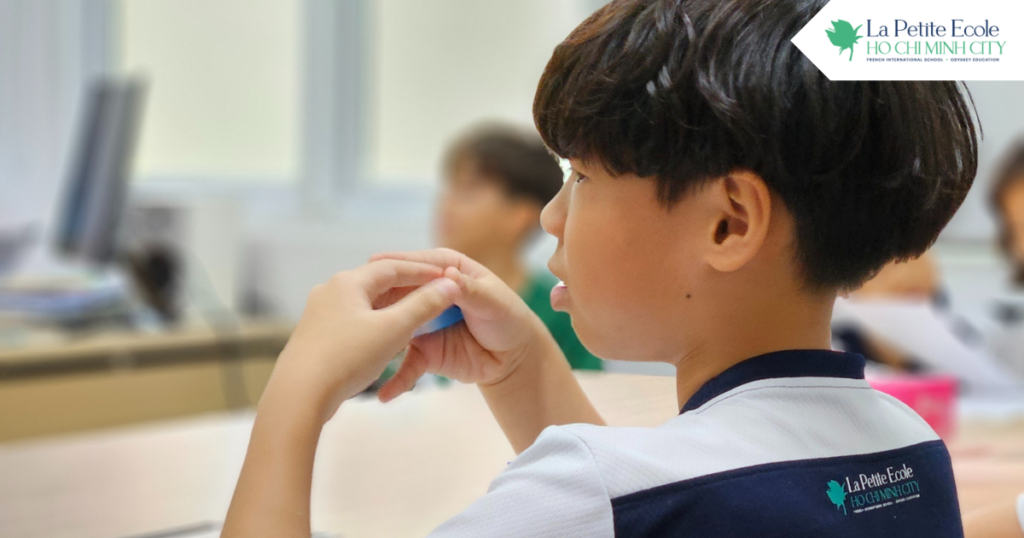
At La Petite Ecole Ho Chi Minh City, public speaking skills are nurtured through daily classroom interactions rather than isolated speaking activities. Children are regularly encouraged to share ideas, explain their thinking, and express opinions in a natural and supportive setting.
Common opportunities include:
- Group discussions and circle time
- Presenting drawings, projects, or simple explanations
- Storytelling and role-play activities
-
Age-Appropriate Speaking Experiences
Speaking opportunities evolve as students grow:
- Younger learners begin with small-group sharing and guided expression
- Lower primary students explore short presentations with visual support
- Upper primary students engage in structured presentations and discussions
This gradual progression allows students to build confidence at their own pace.
-
A Supportive and Multilingual Environment
As a multilingual learning community, La Petite Ecole Ho Chi Minh City supports students in developing clear communication while using more than one language. Mistakes are viewed as part of learning, and feedback focuses on clarity, effort, and progress.
-
Confidence Before Performance
The emphasis is placed on helping students feel comfortable speaking rather than delivering perfect presentations. Encouragement, participation, and authentic expression are valued, helping children associate speaking with positive experiences.
-
Home and School Connection
Families are encouraged to support speaking confidence at home through everyday conversations, storytelling, and sharing experiences, reinforcing what students practice at school.
How Families Can Support Speaking Confidence at Home
Families can also support public speaking skills through everyday interactions at home. These practices look different in every household and cultural setting.
Examples include:
- Encouraging children to share stories about their day
- Asking open-ended questions during conversations
- Letting children explain ideas, games, or interests
- Celebrating effort and progress rather than outcomes
Simple daily conversations can make a meaningful difference in how comfortable children feel expressing themselves.
Read more: Why the Role of Family in Child Development Matters More Than Ever
Supporting Confident Communicators for Life
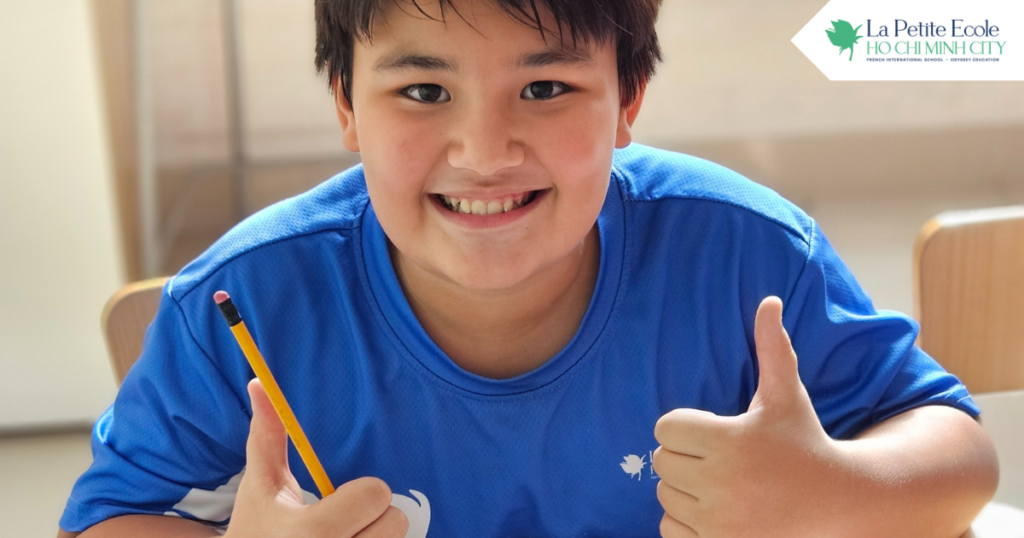
Public speaking skills for students develop over time through encouragement, practice, and supportive environments. Whether sharing a story, participating in a discussion, or presenting a project, each speaking opportunity helps children build confidence and communication skills in their own way.
At La Petite Ecole Ho Chi Minh City, public speaking is seen as a natural part of learning and self-expression. By fostering confidence gently and respecting each child’s individuality, students can grow into confident communicators who feel comfortable sharing their ideas with others.
If you would like to learn more about how La Petite Ecole Ho Chi Minh City supports communication and self-expression from an early age, feel free to contact us or visit our campus.
- Phone: 028 3519 1521
- Email: contact@lpehochiminh.com
- Address: 172 – 180 Nguyen Van Huong, An Khanh Ward, Ho Chi Minh City
Frequently Asked Questions About Public Speaking for Students
1. Is public speaking suitable for shy children?
Yes. Shy children can benefit from gentle and supportive speaking opportunities that respect their comfort level and pace.
2. At what age can students start speaking in front of groups?
Children can begin sharing ideas in small groups from an early age, with activities adapted to their developmental stage.
3. How can confidence grow without pressure?
Confidence grows when students feel safe, supported, and encouraged rather than evaluated or compared.
4. How does public speaking support learning beyond language?
Public speaking supports critical thinking, social interaction, emotional awareness, and collaboration across subjects.