


25 Brain Games for Kids: 25 Screen-Free Activities to Support Thinking Through Play
Brain games for kids are simple, playful activities that invite children to think, observe, remember, and solve small challenges in a natural way. When offered through hands-on play, these games can support cognitive development while keeping learning enjoyable and pressure-free.
For young children especially, screen-free brain games allow thinking skills to grow through movement, interaction, and exploration. They can be adapted to different ages, interests, and cultural contexts, making them a flexible part of everyday play.
Key Takeaways
- Brain games for kids support thinking skills through playful, hands-on activities
- Screen-free games encourage attention, memory, problem solving, and creativity
- Everyday activities can easily become brain games with small adjustments
- Children engage best when games align with their interests and developmental stage
- Play-based learning environments allow brain games to emerge naturally
- Thinking skills develop over time through curiosity, exploration, and meaningful play
What Are Brain Games for Kids?
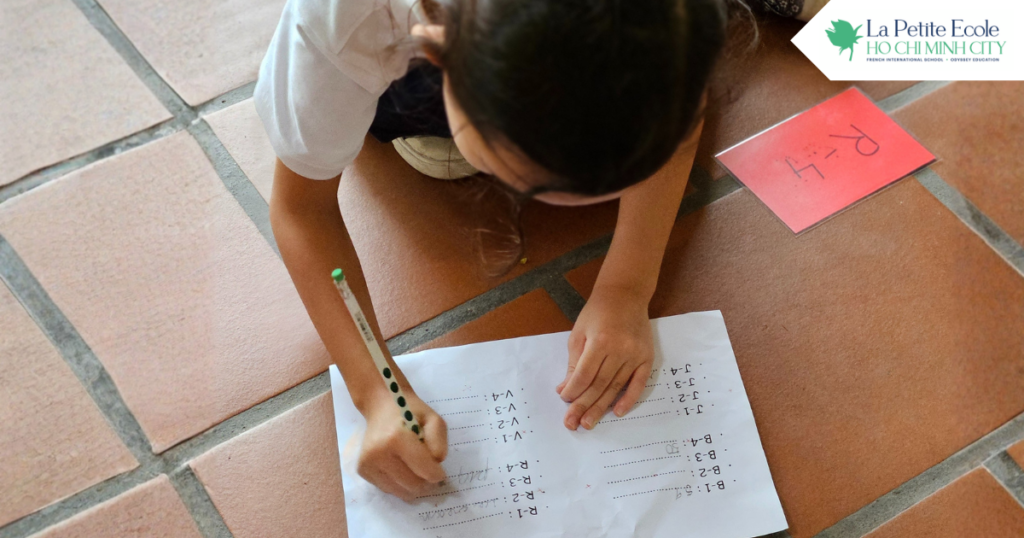
Brain games are activities that gently encourage children to use their minds in different ways. Rather than focusing on right or wrong answers, these games invite children to:
- Notice patterns and details
- Remember information
- Make connections
- Explore cause and effect
- Try different solutions
Brain games do not need special equipment or complex rules. Many can be created using everyday objects and shared moments, making them accessible both at home and in early learning environments.
How Brain Games Support Cognitive Development
Through playful engagement, brain games can support several areas of thinking and development, depending on the child’s age and interests.
-
Memory and Recall
Games that involve remembering objects, images, or sequences can help children practice holding and retrieving information.
-
Focus and Attention
Activities that require listening, observing, or completing a task can encourage children to stay engaged for longer periods.
-
Problem Solving
When children face small challenges during play, they begin to explore different ways of approaching a situation and adjusting their ideas.
-
Logical Thinking
Sorting, sequencing, and pattern-based games help children notice relationships and make sense of how things fit together.
These skills develop gradually and differently for each child, shaped by experience, environment, and individual pace.
25 Brain Games That Encourage Thinking Through Play
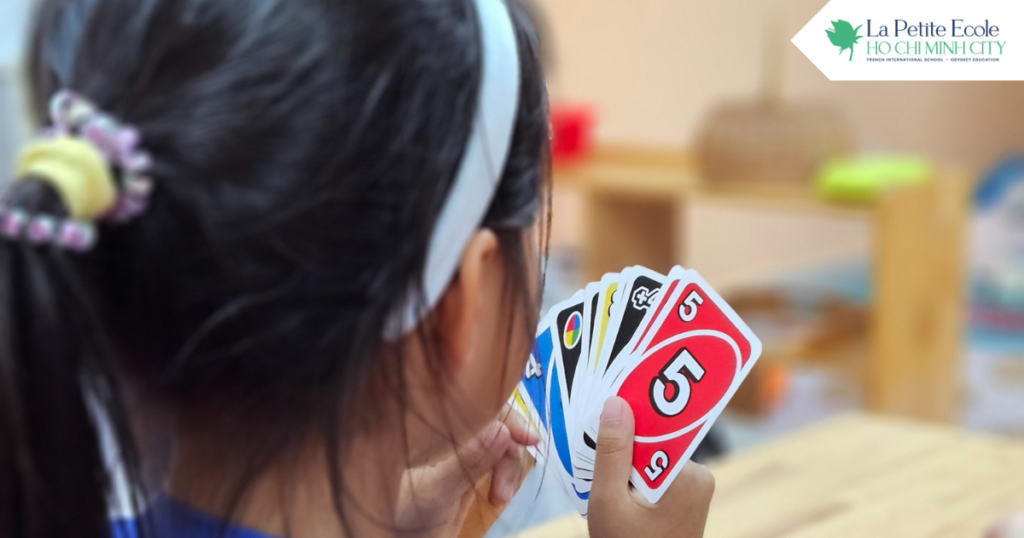
Simple, screen-free brain games that can be enjoyed at home or in learning environments using everyday materials and shared moments of play.
1. Memory Matching Cards
Memory Matching Cards is a classic brain game that invites children to observe carefully, remember visual information, and make connections. Through repeated play, children begin to notice patterns, recall locations, and develop patience as they wait for their turn.
- Preparation: Prepare pairs of cards with matching images, symbols, or colors. These can be homemade using paper or printed cards. Shuffle and place them face down on a flat surface.
- How to play: Children take turns flipping over two cards. If the cards match, the child keeps the pair and has another turn. If they do not match, the cards are turned face down again. The game continues until all pairs are found.
2. What’s Missing?
This observation game encourages children to pay close attention to their surroundings and practice recall. It supports visual memory while keeping the activity playful and surprising.
- Preparation: Choose 5 to 8 familiar objects and place them on a tray or table. Objects should be easy to recognize and safe to handle.
- How to play: Invite children to look carefully at the objects. Ask them to close their eyes, then remove one item. When they open their eyes, children guess which object is missing and explain how they noticed the change.
3. Tray Memory Game
The Tray Memory Game supports short-term memory and concentration by inviting children to recall multiple items at once. It can be easily adjusted to suit different ages.
- Preparation: Arrange several small objects on a tray. Cover the tray with a cloth or paper so the objects are hidden from view.
- How to play: Show the tray for a short time, then cover it again. Invite children to name as many objects as they can remember. Older children can also describe where the objects were placed.
4. I Went on a Picnic
This listening and memory game grows gradually more challenging and supports sequencing, recall, and language skills.
- Preparation: No materials are needed. Children can sit in a circle.
- How to play: The first child says, “I went on a picnic and I brought…” and names one item. Each following child repeats the full list in order and adds a new item. The game continues as the list grows longer.
5. Sound Detective
Sound Detective invites children to focus on listening and sound recognition. It helps children tune into their environment and sharpen auditory attention.
- Preparation: Gather objects that make different sounds, such as keys, paper, a bell, or a container with rice.
- How to play: Children close their eyes while one sound is made. They listen carefully and guess which object created the sound. Children can also take turns creating sounds for others to identify.
6. Sorting Challenge
Sorting Challenge supports logical thinking and categorization. Children learn that objects can be grouped in different ways depending on the chosen rule.
- Preparation: Collect a variety of objects that differ in color, size, shape, or material.
- How to play: Invite children to sort the objects by one rule, such as color. Once completed, encourage them to sort the same objects using a different rule, such as size or shape.
7. Odd One Out
This game encourages children to compare, reason, and explain their thinking. There is often more than one possible answer, which supports flexible thinking.
- Preparation: Prepare a small set of objects or pictures where one item differs from the others.
- How to play: Show the items and ask children which one does not belong. Invite them to explain their reasoning and listen to different ideas from others.
8. Sequence Cards
Sequence Cards support understanding of order, time, and cause and effect. They also encourage storytelling and discussion.
- Preparation: Prepare picture cards showing steps in a familiar activity or a simple story.
- How to play: Children arrange the cards in an order that makes sense to them. After sequencing, they can explain their choices or retell the story using the cards.
9. Finish the Pattern
This pattern-recognition game helps children notice repetition and predict what comes next, supporting early mathematical thinking.
- Preparation: Create a simple repeating pattern using blocks, beads, drawings, or natural materials.
- How to play: Invite children to continue the pattern following the same rule. As confidence grows, patterns can become more complex.
10. Yes or No Guessing Game
A questioning game that encourages children to think logically, organize information, and narrow down possibilities.
- Preparation: One child thinks of an object, animal, or place that others are familiar with.
- How to play: Other children take turns asking yes or no questions to guess what it is. The game continues until the correct answer is found.
11. Bridge Builder
Bridge Builder invites children to think ahead, plan, and test ideas through hands-on construction. It encourages problem solving and persistence as children explore balance, strength, and structure.
- Preparation: Provide blocks, cardboard, paper rolls, wooden planks, or recycled materials. Choose a small object that the bridge should hold.
- How to play: Invite children to build a bridge that spans a gap and supports the chosen object. Children can adjust their design if the bridge collapses, exploring new ideas through trial and reflection.
12. Tower Challenge
This building game supports spatial awareness, planning, and experimentation. Children explore how different shapes and sizes affect stability.
- Preparation: Prepare blocks or stackable materials of various shapes and sizes.
- How to play: Children build the tallest tower they can without it falling. They may pause, adjust, and rebuild as needed, observing which designs feel more stable.
13. Maze Path
Maze Path encourages children to slow down, plan ahead, and consider different options before moving forward.
- Preparation: Create a maze on paper, a whiteboard, or on the floor using tape or chalk.
- How to play: Children trace or walk through the maze from start to finish, thinking carefully about which path to choose. Mistakes are part of the exploration.
14. How Many Ways?
An open-ended activity that supports flexible thinking and creativity by showing children that problems can have more than one solution.
- Preparation: Choose a simple task, such as building a small structure or arranging objects.
- How to play: Invite children to complete the task in one way, then encourage them to try again using a different approach. Children can compare ideas and notice differences.
15. Fix the Mistake
This observation game encourages children to notice details and question what they see.
- Preparation: Create a simple pattern, drawing, or short story with one intentional mistake.
- How to play: Show the activity and ask children if anything seems unusual. Invite them to explain what they notice and suggest how it could be corrected.
16. Story Chain
Story Chain supports imagination, memory, and logical flow while encouraging listening and collaboration.
- Preparation: No materials needed. Children can sit in a circle.
- How to play: One child begins a story with a sentence. Each child adds one sentence, building the story step by step. The story can end naturally or continue as long as interest remains.
17. Describe Without Naming
This language game encourages children to think carefully about details and use descriptive words.
- Preparation: Choose a familiar object and keep it hidden from view.
- How to play: One child describes the object without naming it. Others listen carefully and guess what it might be based on the description.
18. Riddle Time
Riddles encourage children to think creatively and consider clues from different angles.
- Preparation: Prepare age-appropriate riddles using familiar objects or animals.
- How to play: Read a riddle aloud and invite children to think quietly before sharing ideas. Multiple guesses can be explored before revealing the answer.
19. Word Categories
This game supports vocabulary growth and logical grouping through playful language exploration.
- Preparation: Choose a category such as animals, food, or transport.
- How to play: Children take turns naming items that fit the chosen category. The category can change to keep the activity fresh and engaging.
20. Opposites Game
A lively game that supports quick thinking and understanding of contrasting ideas.
- Preparation: No materials needed.
- How to play: Say a word or action, such as “fast” or “jump,” and invite children to respond with the opposite word or movement.
21. Tangram Puzzles
Tangram puzzles support spatial reasoning and creativity as children explore how shapes fit together.
- Preparation: Prepare tangram sets or cut simple geometric shapes from paper or cardboard.
- How to play: Children arrange the shapes to form pictures, objects, or designs. They may follow a sample or create freely.
22. Shadow Matching
A visual reasoning game that encourages children to observe outlines and details.
- Preparation: Prepare objects and matching shadow outlines on paper.
- How to play: Children match each object to its shadow, explaining how they recognized the correct match.
23. Copy the Build
This activity supports memory, observation, and spatial awareness.
- Preparation: Build a simple structure using blocks.
- How to play: Show the structure briefly, then hide it. Invite children to recreate the structure from memory using similar materials.
24. Map the Room
Map the Room encourages spatial thinking and awareness of familiar environments.
- Preparation: Provide paper and drawing materials or blocks.
- How to play: Children draw or build a simple map of the room, including furniture or key areas. They can explain their map and how they chose what to include.
25. Treasure Hunt with Clues
A movement-based thinking game that combines reasoning, memory, and cooperation.
- Preparation: Prepare simple clues that lead from one location to another, ending at a hidden object.
- How to play: Children follow each clue step by step, discussing where they think the next clue might be and why.
How to Choose Brain Games for Your Child
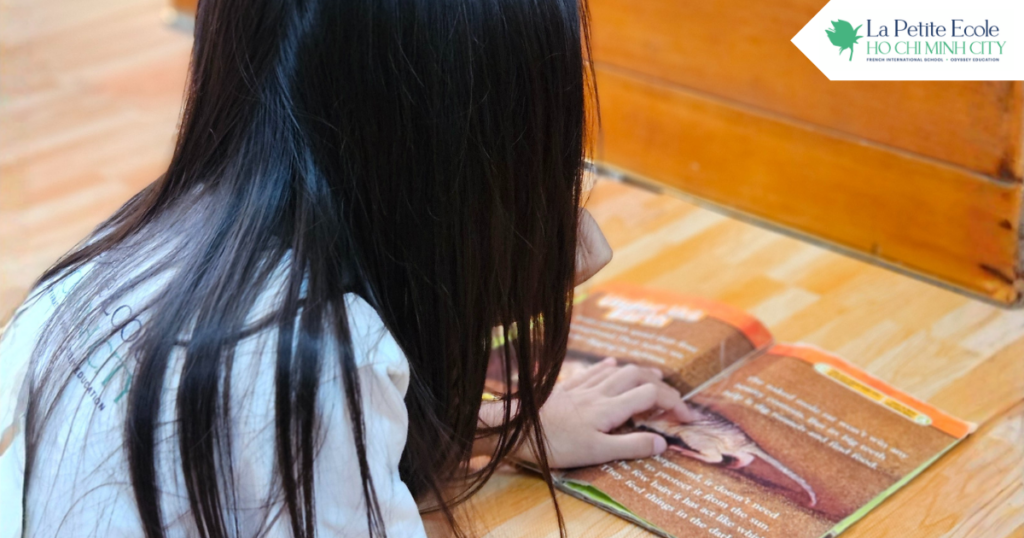
Choosing brain games for children is not about finding the most complex activity or the one with the fastest results. It is about noticing how a child engages, what captures their interest, and how they respond to different types of play.
When selecting brain games, families and educators may find it helpful to consider the following points:
- Follow the child’s curiosity
Children are more likely to stay engaged when a game connects with what they already enjoy, whether that is building, storytelling, movement, or puzzles. - Match the game to the child’s current stage
Games that feel too easy may lead to boredom, while those that feel too challenging can create frustration. Small adjustments in difficulty can help maintain interest. - Focus on the process, not the outcome
Brain games are most meaningful when children are free to explore ideas, make mistakes, and try again, rather than aiming for a correct answer. - Allow flexibility and choice
Some children enjoy structured games, while others prefer open-ended activities. Offering options supports confidence and independence. - Observe engagement over time
A game that supports thinking one day may feel less appealing another day. This is natural and part of how children explore and grow.
There is no single list of brain games that suits every child. What matters most is creating space for playful thinking that respects each child’s pace, personality, and background.
Supporting Thinking Through Play at La Petite Ecole Ho Chi Minh City
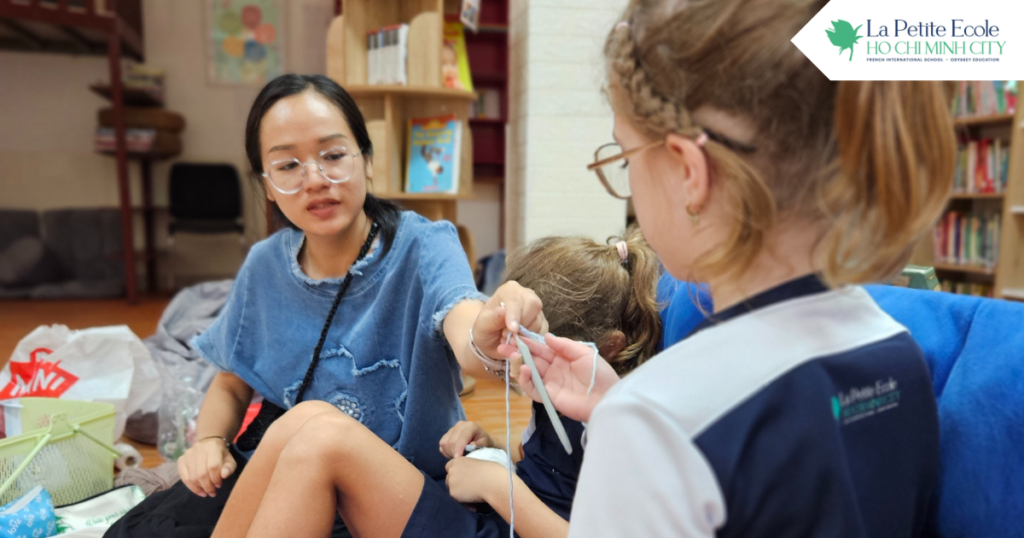
Brain games for kids do not need screens or complex tools to be meaningful. Through simple, hands-on activities, children can explore ideas, strengthen thinking skills, and enjoy the process of discovery at their own pace. When play invites curiosity, observation, and problem solving, learning becomes a natural part of everyday experiences.
At La Petite Ecole Ho Chi Minh City, play-based learning creates space for children to think, question, and explore in a supportive and nurturing environment. Brain games are gently woven into daily activities, encouraging children to engage with ideas, collaborate with others, and build confidence through meaningful play.
For families who are exploring early years education options that value curiosity, creativity, and thoughtful engagement, La Petite Ecole Ho Chi Minh City offers an environment where children are encouraged to grow through play and exploration.
Discover how play-based learning supports children’s thinking and development at La Petite Ecole Ho Chi Minh City.
- Phone: 028 3519 1521
- Email: contact@lpehochiminh.com
- Address: 172 – 180 Nguyen Van Huong, An Khanh Ward, Ho Chi Minh City
FAQs About Mind Games for Kids
1. What are brain games for kids?
Brain games for kids are playful, hands-on activities that invite children to think, remember, observe, and solve small challenges. These games often involve problem solving, memory, language, or logical thinking and are designed to feel enjoyable rather than structured or demanding.
2. Are brain games suitable for all children?
Children engage with brain games in different ways depending on their age, interests, background, and stage of development. Some children may enjoy puzzles or building activities, while others may prefer storytelling or movement-based games. Flexibility and observation are key when introducing any activity.
3. At what age can children start playing brain games?
Simple brain games can be introduced in early childhood using age-appropriate materials and short play sessions. As children grow, games can naturally become more complex, supporting emerging thinking skills at a comfortable pace.
4. Do brain games need special materials?
Many brain games can be created using everyday objects such as blocks, paper, household items, or natural materials. The focus is on engagement and exploration rather than specific tools.
5. How often should children play brain games?
Brain games can be part of everyday play rather than scheduled activities. Some days children may show strong interest, while other days they may prefer different types of play. Both are part of a balanced learning experience.