

Extracurricular Activities for Kids: Benefits, Types & How to Choose
Extracurricular activities for children play a key role in helping kids grow beyond the classroom. From sports and arts to language clubs, these after-school programs build confidence, social skills, and a love of learning. In this article, we explore the most popular activities, their benefits, and how to choose the right fit for your child.
Key Takeaways
- Extracurricular activities are optional programs outside the core curriculum that help children build confidence, social skills, and a love of learning.
- Popular types include arts, sports, STEM, and language clubs, alongside options such as chess and mind games, cooking, gardening, and photography.
- There is no single right age to begin. Many children start with playful, exploratory sessions in the early years and move toward more structured clubs as they grow.
- The best fit depends on your child’s interests, personality, and stage of development, not on one universal checklist.
- A balanced schedule with room to rest often matters more than the number of activities a child joins.
What Are Extracurricular Activities for Children?
Extracurricular activities are programs and experiences that go beyond a school’s core academic curriculum. These can take place before school, after school, or during weekends, and are designed to enrich a child’s learning journey by tapping into their interests, creativity, and natural curiosity.
Unlike co-curricular activities, which are often embedded into the school day (like physical education or art class), extracurricular activities are optional and typically happen outside regular classroom hours. They give children the chance to explore new hobbies, develop practical skills, and engage with peers in more relaxed, interest-driven environments.
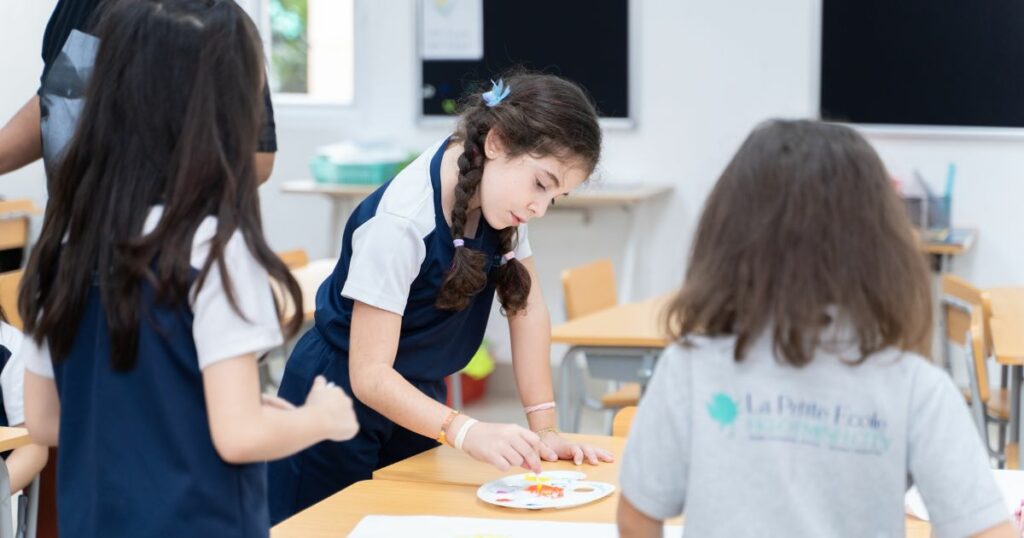
Some popular examples of extracurricular activities for children include:
- Creative arts: music lessons, painting, drama clubs
- Language and communication: reading clubs, storytelling, debate
- Sports and physical activities: football, swimming, martial arts, kids’ fitness classes
- Community involvement: environmental clubs, kindness campaigns, volunteering
At international and bilingual schools like La Petite Ecole Ho Chi Minh, extracurricular programs are thoughtfully designed to complement the academic experience while nurturing emotional, physical, and social growth. Whether it’s joining a music ensemble or solving problems in a coding class, children benefit from opportunities that make learning feel exciting and meaningful, beyond textbooks.
Why Extracurricular Activities Are Important for Young Learners
Just like co-curricular activities, they help children build confidence, develop teamwork skills, and express creativity. But what makes extracurriculars special is that they happen outside regular school hours and give kids the chance to explore what they truly enjoy. These experiences support holistic development, shaping not only what children know, but who they become.
Read more: 10+ Life Skills for Children to Support Their Development
1. Boosting Social and Emotional Growth
Activities like team sports, drama, or public speaking build essential life skills. Children learn how to communicate, collaborate, and navigate social situations with confidence. These skills are crucial for emotional intelligence and resilience, traits that help children succeed both in school and in life.
2. Encouraging Independence and Self-Discovery
Extracurricular settings give children a safe space to try new things, face challenges, and develop their unique talents. Whether it’s learning to play a musical instrument or joining a robotics club, these activities foster a sense of autonomy, self-motivation, and purpose.
3. Enhancing Academic Performance
Research shows that participation in extracurricular activities can improve focus, time management, and problem-solving skills. Children who engage in after-school programs often perform better academically because they’re more engaged and confident in their learning.
4. Physical Activity and Energy Release
Extracurricular programs that involve movement, like sports, dance, or outdoor play, give children a healthy way to release built-up energy after a day in the classroom. This physical outlet not only supports their overall fitness but also helps them reset emotionally, making it easier to regain focus, reduce stress, and return to academic tasks with a clearer mind. For young learners, especially in early primary years, this balance between activity and calm is essential for healthy development.
5. Creating Lifelong Interests
Extracurriculars can spark lifelong passions. A child who joins a coding class or art club today might discover a talent that shapes their future studies or career path. More importantly, they build a sense of curiosity and joy that encourages lifelong learning.
Types of Extracurricular Activities for Children
There’s no one-size-fits-all approach when it comes to after-school programs. Children thrive when they engage in activities that match their interests and personality. From sports to the arts, science to storytelling, here are some of the most popular and impactful types of extracurricular activities for kids today.
Arts & Creativity
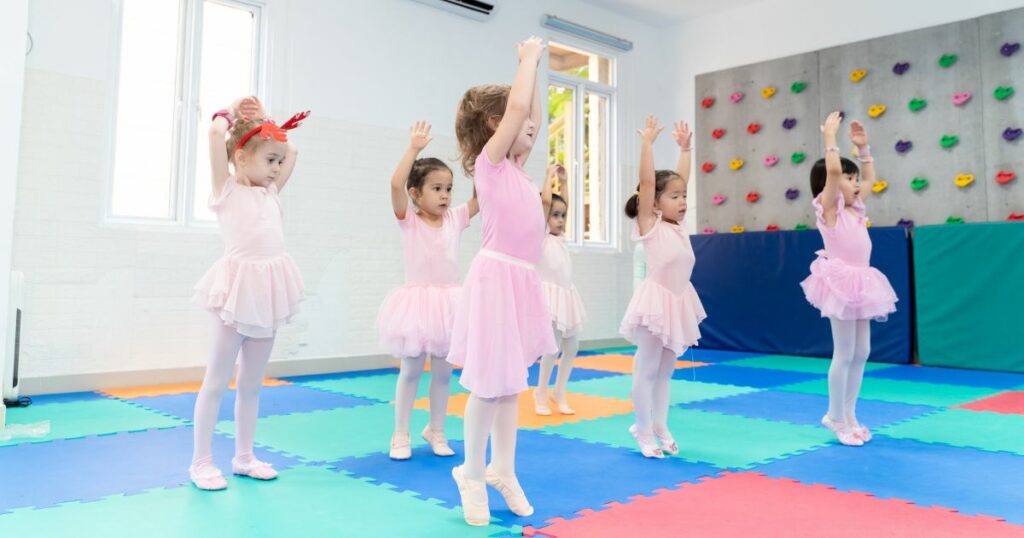
Creative activities for kids help them express themselves, build confidence, and develop their imagination. Whether it’s music classes for young learners, hands-on art classes for children, or engaging in drama clubs for kids, the arts offer a joyful outlet for self-expression and emotional growth.
Popular options include:
- Drawing and painting
- Dance classes for children (ballet, hip-hop, modern)
- Theater and drama performances
- Singing and musical instruments
- Creative crafts and DIY projects
These experiences aren’t just fun, they support fine motor skills, emotional development, and a child’s ability to communicate in unique ways.
Sports & Physical Activities
Physical education activities outside of class help children develop strength, coordination, and a healthy sense of competition. Participating in sports activities for children, like football, swimming, martial arts, or yoga, not only promotes fitness, but also teaches teamwork, discipline, and goal-setting.
Popular options include:
- Football or basketball
- Swimming lessons
- Martial arts (taekwondo, judo, karate)
- Kids’ yoga
- Dance-based fitness or gymnastics
These teamwork activities for kids can boost social skills and encourage lifelong healthy habits.
STEM & Academic Enrichment
Children who are curious about how things work can explore exciting learning experiences through STEM-based extracurriculars. STEM activities for children, like robotics for kids in Vietnam, coding classes, or science clubs, fuel innovation, problem-solving, and critical thinking.
Popular options include:
- Lego robotics or engineering clubs
- Beginner coding or programming courses
- Math games and puzzle-solving groups
- Science lab workshops
These programs prepare children for a tech-forward world while keeping learning fun and hands-on.
Language & Communication
Strong communication skills are key to success in both school and life. Programs that focus on language enrichment for kids, like storytelling, debate, and public speaking, help children build confidence while expressing their thoughts clearly.
At bilingual or international schools, extracurricular activities such as dual-language reading groups can help children expand their vocabulary and improve comprehension in both languages.
Great options include:
- Storytelling clubs
- Book circles or reading groups
- Public speaking or junior debate teams
- Writing workshops in English and/or French
These activities also nurture social skills for children, encouraging them to collaborate and connect with peers.
Community & Character
Extracurriculars aren’t just about learning, they’re about becoming good people too. Activities focused on community and character help children develop empathy, leadership, and a sense of responsibility.
Popular options include:
- Environmental or “green” clubs
- Community service and volunteer projects
- Kindness campaigns and inclusion workshops
- Leadership groups for young learners
These leadership activities for kids support early character development and encourage values like compassion, respect, and teamwork.
Unique and Enriching Activities Worth Exploring
Beyond the most common clubs, many children discover a spark in less obvious activities. These options can reveal talents and interests that mainstream programs sometimes miss, and they suit a wide range of personalities and ages.
Chess and mind games
Skills: focus, planning, patience | Best for: ages 6 and up | Setup: low, a board or app
Board games like chess, along with puzzles and logic games, invite children to think ahead, weigh their choices, and stay with a challenge. Many children build concentration and problem solving through short, playful rounds. You can explore related ideas in our guides to brain games for kids and focus training for kids.
Cooking and everyday life skills
Skills: sequencing, responsibility, fine motor | Best for: ages 4 and up with support | Setup: home or club kitchen
Simple cooking and baking blend creativity with practical responsibility. Measuring, mixing, and following steps in order help many children build independence and patience. These sit naturally alongside broader life skills for children.
Gardening and nature exploration
Skills: observation, care, curiosity | Best for: all ages | Setup: outdoor space or a few pots
Tending plants, taking nature walks, and simple outdoor observation nurture curiosity and a sense of care for the world. For many children, time outdoors also supports calm and focus. This connects closely with environmental awareness.
Photography, filmmaking, and visual storytelling
Skills: creativity, sequencing, self-expression | Best for: ages 7 and up | Setup: a phone or simple camera
Capturing images and telling short visual stories give children a fresh way to express ideas. These creative projects can strengthen imagination and confidence, and they pair well with other ways to encourage creativity in a child.
What Age Should Children Start Extracurricular Activities?
There is no single right age to begin extracurricular activities. Many children start with short, playful sessions from around age three, then move toward more structured clubs as their focus and independence grow. The best starting point depends on your child rather than a fixed rule.
Ages 1 to 3 (nursery and toddlers): Gentle, sensory-rich play works well, such as music and movement, simple art, and story time. Sessions are short and led by curiosity. See our International Nursery stage.
Ages 3 to 5 (early years and preschoolers): Many children enjoy exploratory activities like dance, painting, swimming, and storytelling. The focus stays on fun and discovery rather than performance. Learn more about our Early Years stage.
Ages 5 to 7: Children can often handle a little more structure, such as beginner sports teams, music lessons, simple coding, and mind games. Short, regular sessions help build routine and confidence.
Ages 7 to 11 (primary and elementary): Older children may prefer focused clubs like robotics, martial arts, debate, or team sports, where they can develop a specific interest over time. Explore our Elementary stage.
In our own after-school sessions at La Petite Ecole Ho Chi Minh, we often notice that a child who seems hesitant in one activity comes alive in another. Watching a quiet five-year-old light up during a movement class is a gentle reminder that the right fit is personal, and worth exploring patiently.
How to Choose the Right Extracurricular Activities for Your Child
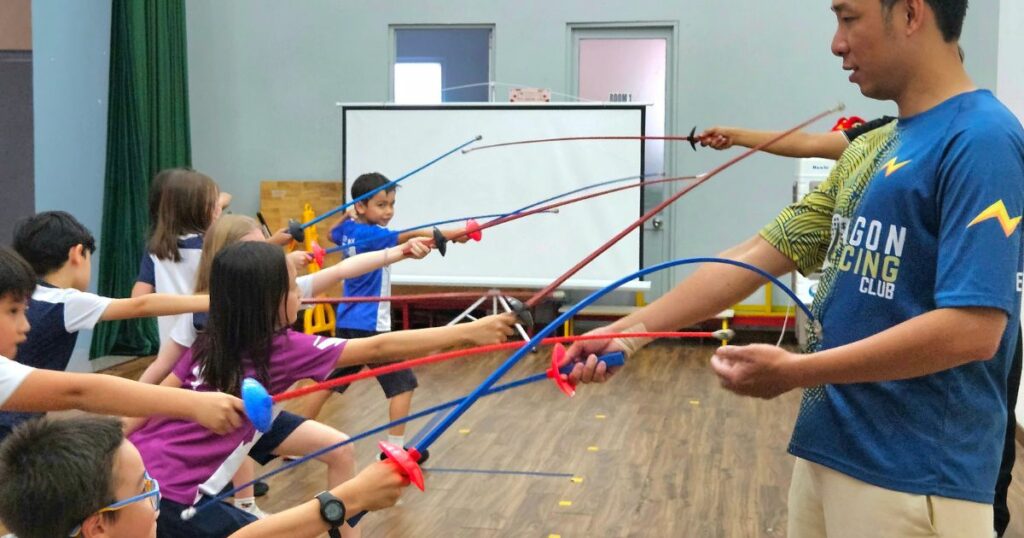
With so many options, how do you choose the best extracurricular activities for your child? The key is finding a balance between fun, growth, and personality fit.
1. Consider Age and Stage of Development
Younger children may enjoy playful, creative activities like dance or art, while older children might prefer more structured clubs like robotics, sports teams, or public speaking groups.
2. Look at Your Child’s Interests and Strengths
Is your child naturally curious, artistic, active, or social? Choosing activities that align with their natural tendencies will make the experience more enjoyable, and sustainable.
3. Balance Fun and Learning
The best extracurricular programs offer both excitement and development. Whether it’s coding or football, the goal is to engage your child in a way that nurtures their potential.
4. Explore Different Formats
Some kids thrive in structured team settings; others prefer more independent or free-form options. Try different formats to discover what works best.
By focusing on your child’s personality and goals, you’ll find what works best, and help them grow into a more confident, capable learner.
5. Find a Healthy Balance and Avoid Overscheduling
More activities do not always mean more growth. Many children thrive with one or two regular commitments and enough downtime to rest, play freely, and simply be. A shared family calendar can help you protect time for schoolwork, sleep, and unstructured play. If your child often seems tired or reluctant, it may be a sign to ease back rather than add more.
Discover Extracurricular Activities For Kids at La Petite Ecole Ho Chi Minh
At La Petite Ecole Ho Chi Minh, extracurricular activities are an essential part of each child’s growth and development. With over 40 diverse programs offered throughout the year, students have the opportunity to explore their interests and talents in a nurturing, bilingual environment that encourages confidence and curiosity.
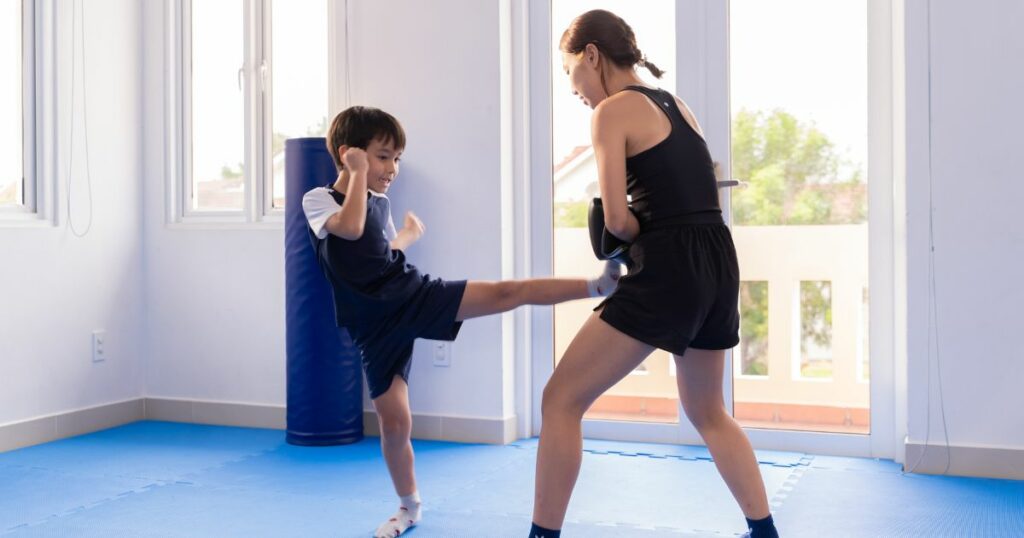
Children can enjoy a wide range of experiences, from sports activities like football, swimming, and Vovinam to creative activities such as music, dance, art, and crafts. For young learners who are passionate about learning, academic enrichment clubs in science and math spark curiosity and encourage critical thinking. Cultural and language-based programs also help students broaden their perspectives and strengthen their communication skills.
Extracurricular activities take place after school, from 3:30 to 4:30 PM (Monday to Thursday) and 1:00 to 3:15 PM on Fridays. This dedicated time gives students the chance to relax, have fun, and build meaningful skills with their classmates in a supportive setting.
In addition to after-school options, La Petite Ecole Ho Chi Minh also offers engaging holiday camps, designed to enrich the school experience through hands-on discovery, creativity, and play, nurturing a love of learning that extends far beyond the classroom.
Please note that these activities and camps are exclusively available to students enrolled at La Petite Ecole Ho Chi Minh.
Supporting Your Child’s Journey Through Extracurricular Activities
Extracurricular activities play an essential role in shaping a child’s overall development. Whether through sports, the arts, academic clubs, or community projects, these programs give children the chance to discover new passions, build real-world skills, and grow more confident in who they are. By participating in the right activities, children not only enhance their learning, but also find joy, purpose, and a stronger sense of self.
If you’re looking for a school that nurtures this kind of well-rounded growth, La Petite Ecole Ho Chi Minh offers a supportive and enriching environment to help your child thrive. Contact us today!
- Phone: 028 3519 1521
- Email: contact@lpehochiminh.com
- Address: 172 – 180 Nguyen Van Huong, An Khanh Ward, Ho Chi Minh city
Frequently Asked Questions About Extracurricular Activities for Children
1. What are the best extracurricular activities for children?
The best activities are the ones your child genuinely enjoys and wants to return to. Popular choices include sports, music and arts, coding and robotics, reading and debate, and community clubs. Because every child is different, it often helps to try a few options before settling on one they love.
2. At what age can children start extracurricular activities?
Many children begin with short, playful sessions from around age three, focusing on music, movement, art, and stories. More structured clubs, such as sports teams or coding, usually suit children from around age five upward. The right age varies from child to child.
3. How many extracurricular activities should a child do?
For many families, one or two regular activities work well. This gives children time to develop a skill while still leaving room for rest, homework, and free play. Overscheduling can lead to tiredness, so balance often matters more than quantity.
4. What are good extracurricular activities for 5 and 6 year olds?
Children at this age often enjoy swimming, dance, beginner music, simple art, and playful mind games. Activities that feel like play, with short sessions and plenty of encouragement, tend to suit this stage well.
5. Do extracurricular activities help with academic performance?
For many children, yes. Activities like reading clubs, chess, and music are often linked with stronger focus, memory, and problem solving. The time management and confidence built outside class can also support learning inside it.
6. What extracurricular activities does La Petite Ecole Ho Chi Minh offer?
La Petite Ecole Ho Chi Minh offers over 40 after-school programs across sports, arts, academic enrichment, and language and cultural clubs, along with holiday camps. Activities run after school on weekdays and are available to enrolled students. You can see the full range on our extra-curricular activities page.
7. How do I choose the right activity for my child?
Start by noticing what draws your child in, whether that is movement, making things, stories, or solving puzzles. Trial sessions are a helpful way to test interest, and involving your child in the choice often increases their commitment. There is no single formula that fits every family.