

How to Make Learning Fun for Kids (16 Easy & Engaging Tips)
Helping children enjoy learning is not about adding pressure or rewards. It is about creating meaningful experiences that spark curiosity, imagination, and confidence. When children feel emotionally engaged, they are more likely to explore ideas deeply and develop a lifelong interest in discovery.
At La Petite Ecole Ho Chi Minh City, playful exploration is an important part of early childhood education. Families from different cultural backgrounds may approach learning in different ways, but many share the same wish: to see their children curious, confident, and motivated.
Below are practical and realistic ways to make learning enjoyable in everyday life.
Key Takeaways
- Making learning fun for kids starts with nurturing curiosity rather than applying pressure.
- Hands-on learning, creativity, and movement increase focus and long-term retention.
- Positive reinforcement builds confidence more effectively than rewards alone.
- Age-appropriate approaches ensure activities match developmental stages.
- Emotional safety is essential for risk-taking and intellectual growth.
- Consistent encouragement at home and school strengthens a child’s love of learning.
What Does “Fun Learning” Really Look Like?
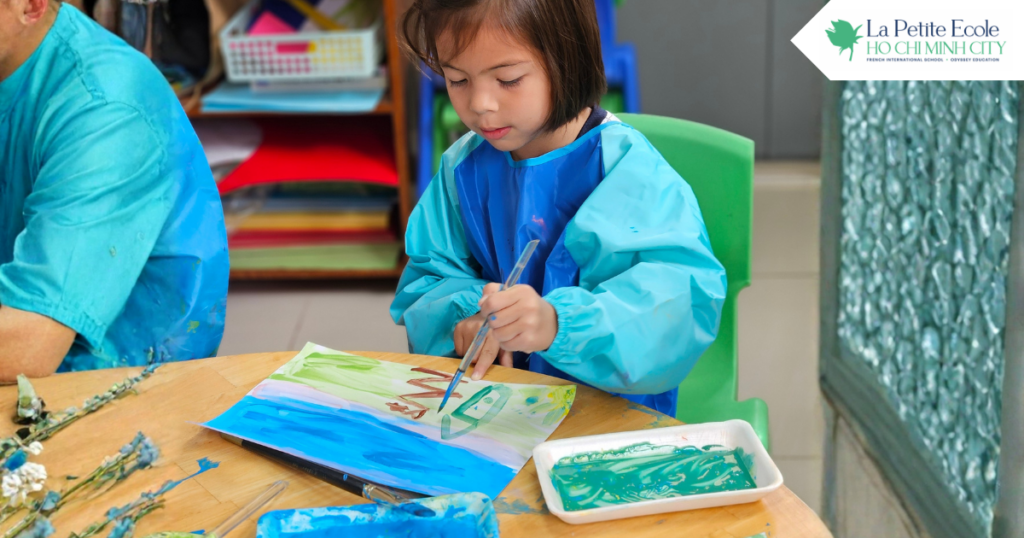
Fun learning is not constant excitement. It often includes:
- Exploration and experimentation
- Space to ask questions
- Movement and hands-on discovery
- Emotional safety when making mistakes
- A balance between structure and freedom
Children engage more deeply when they:
- Feel heard
- Have some choice
- See relevance in what they are doing
- Experience encouragement rather than pressure
Enjoyment in learning is closely linked to confidence. When children feel capable, they are more willing to try new things.
Why Making Learning Fun Matters for Development
When learning feels engaging rather than forced, it can support multiple areas of development.
Cognitive Growth
- Stronger problem-solving skills
- Improved memory retention
- Greater flexibility in thinking
Language and Communication
- Expanded vocabulary
- More willingness to express ideas
- Better listening skills
Social and Emotional Development
- Increased resilience
- Improved collaboration
- Confidence in sharing opinions
Creativity and Imagination
- Original thinking
- Story creation
- Artistic exploration
Different children respond to different types of stimulation. Some may thrive with movement and discussion, while others prefer quiet observation and focused tasks. Recognising these differences helps adults create more personalised learning experiences.
16 Fun Learning Tips for Kids
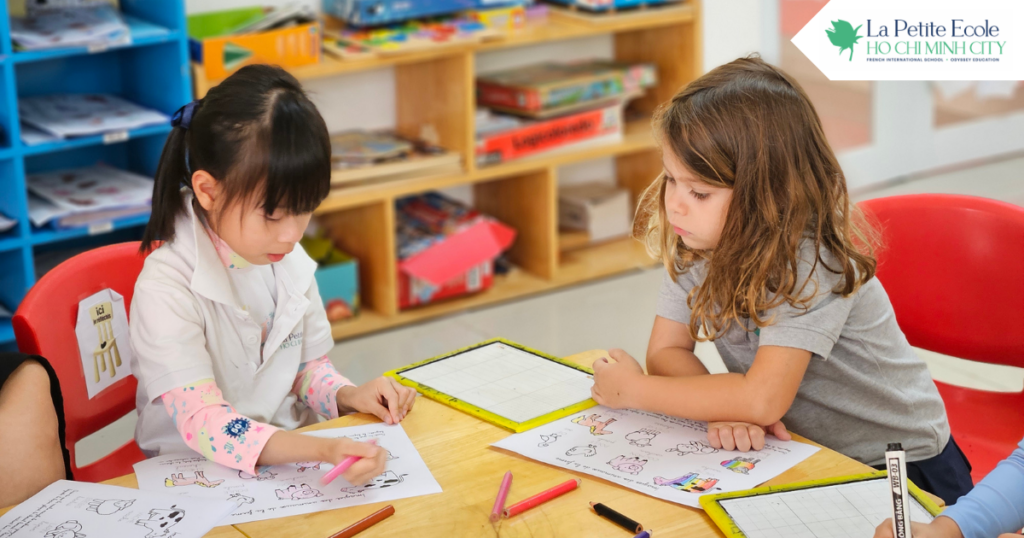
1. Turn Everyday Tasks Into Learning Moments
Cooking, shopping, gardening, or organizing can support:
- Counting and measuring
- Vocabulary growth
- Sequencing skills
- Observation and comparison
When learning connects to real life, children often see its purpose more clearly. Everyday activities feel natural and less pressured than formal exercises. These small moments can quietly build strong foundational skills over time.
2. Use Hands-On Science Experiments
Simple experiments encourage curiosity.
- Baking soda and vinegar reactions
- Sink or float tests
- Growing plants in clear jars
Hands-on discovery helps children understand cause and effect in a tangible way. Predicting outcomes and observing changes fosters deeper thinking. The focus stays on exploration rather than getting the “right” answer.
Read more: Top 20 Science Activities for Preschoolers: Fun, Easy, and Educational Experiments
3. Encourage Storytelling and Role Play
Imaginative play supports:
- Language development
- Emotional expression
- Creativity
When children create stories or act out scenarios, they practise organising ideas and expressing feelings. Role play can also help them understand different perspectives. This form of playful learning strengthens both communication and empathy.
4. Add Movement to Learning
For many children, movement increases engagement.
- Jump while counting
- Spell words while tossing a ball
- Create a treasure hunt with clues
Physical activity can help children concentrate and retain information. Movement-based learning is especially helpful for those who find it challenging to sit still for long periods. It transforms abstract concepts into active experiences.
5. Create a Reading Ritual
Reading becomes enjoyable when it feels special.
- Build a cosy reading corner
- Take turns reading aloud
- Discuss favourite characters
A consistent reading routine can nurture both language skills and emotional connection. When stories spark discussion, comprehension deepens naturally. Over time, reading can become a source of comfort and curiosity rather than obligation.
6. Offer Choices
Choice fosters independence.
- Let children pick between two activities
- Allow them to choose books
- Invite them to suggest project ideas
When children feel involved in decisions, motivation often increases. Even small choices can create a sense of ownership. Autonomy supports confidence and encourages initiative.
7. Explore Nature Regularly
Outdoor exploration encourages observation.
- Collect leaves
- Identify insects
- Observe weather patterns
- Draw natural objects
Nature invites questions that do not always have immediate answers. Outdoor learning also supports physical wellbeing and sensory development. For many children, fresh air and open space stimulate curiosity.
8. Play Board Games That Build Skills
Board games can support:
- Strategic thinking
- Turn-taking
- Numeracy
- Vocabulary
Games provide structured fun without feeling academic. They also help children practise patience and collaboration. Shared laughter during games can strengthen family connections.
9. Integrate Music and Rhythm
Music supports memory and language.
- Sing action songs
- Create rhythm patterns
- Explore different musical styles
Rhythm can make information easier to remember. Music also encourages emotional expression and creativity. For some children, melodies unlock learning in ways traditional approaches cannot.
10. Connect Learning to Personal Interests
When children explore topics they already love, engagement increases.
If a child enjoys:
- Dinosaurs
- Space
- Animals
- Cars
Link reading, writing, counting, or research to those interests. Familiar themes reduce resistance and increase excitement. Interest-driven exploration often leads to deeper understanding.
11. Encourage Open-Ended Questions
Instead of giving answers quickly, ask:
- “What do you think?”
- “How could we find out?”
- “Why do you think that happened?”
Open questions foster independent thinking. Children learn to analyse rather than memorise. This habit builds confidence in expressing ideas.
12. Use Creative Arts for Expression
Art allows children to process ideas differently.
- Painting
- Collage
- Building sculptures
- Drawing emotions
Creative expression can reveal thoughts that may not surface through conversation alone. Art also supports fine motor skills and concentration. Most importantly, it gives children a sense of pride in creating something uniquely theirs.
13. Make Learning Social
Children often engage more when learning with others.
- Small group projects
- Family quizzes
- Collaborative storytelling
Social learning encourages communication and listening skills. Working with others also introduces negotiation and shared problem-solving. Positive group experiences can make learning more dynamic.
14. Introduce Friendly Challenges
Light challenges can be motivating.
- Build the tallest tower
- Solve a puzzle together
- Complete a timed scavenger hunt
Friendly challenges inspire persistence without creating unnecessary pressure. When the focus remains on effort, children feel safe to try again. Small achievements build long-term resilience.
15. Create Mini Projects
Projects give children ownership.
Examples:
- Design a simple garden
- Write a short comic book
- Build a model city
Longer projects encourage planning and patience. They also provide visible results, which can boost confidence. Seeing a project through to completion fosters responsibility.
16. Celebrate Effort and Progress
Children stay motivated when they feel supported.
- Acknowledge persistence
- Highlight improvements
- Encourage reflection
Recognizing effort helps children understand that growth takes time and practice. When adults focus on progress rather than perfection, children are more willing to try again after challenges. This supportive atmosphere can strengthen confidence and help learning remain a positive and enjoyable experience.
Quick Ideas You Can Try This Week
- Create a mini science corner with simple materials.
- Turn a walk into a shape-spotting challenge.
- Start a family storytelling night.
- Build something using recycled materials.
- Grow herbs together and track progress.
- Write a short comic strip as a team.
- Invent a new board game using paper and dice.
Small, consistent moments often have a lasting impact.
More Fun and Engaging Learning Activities for Kids
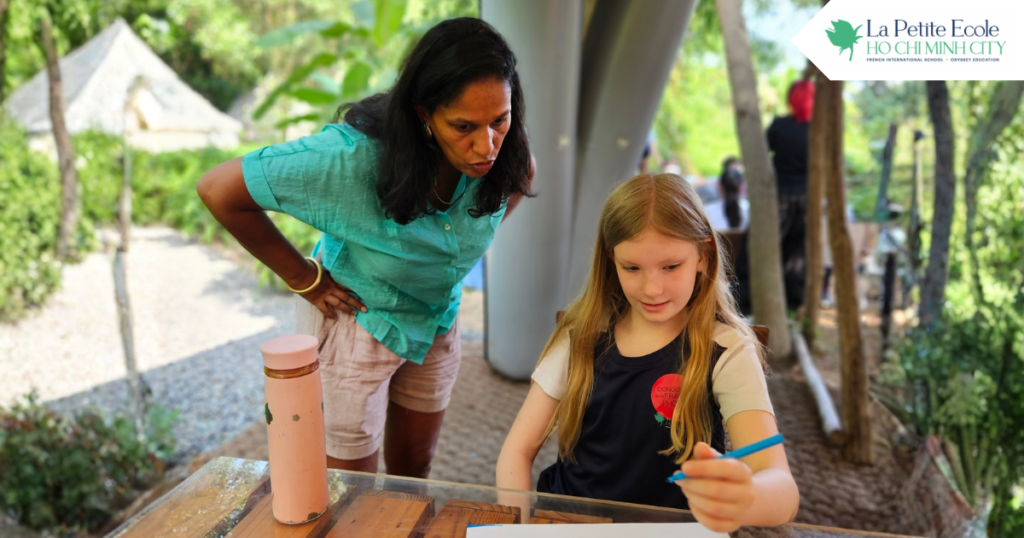
One of the most practical ways to understand how to make learning fun for kids is to focus on simple, engaging activities that feel natural rather than forced. Fun learning activities do not need to be expensive or complicated. They can grow from daily life, creativity, and shared moments.
Below are ideas that combine enjoyment with meaningful skill development.
1. Cooking and Baking Adventures
Cooking is a powerful fun learning activity because it connects multiple skills at once.
Children can explore:
- Counting and measuring ingredients
- Understanding quantities and simple fractions
- Following step-by-step sequences
- Observing physical changes such as melting, mixing, and rising
- Describing taste, texture, and smell
You might gently ask:
- “What do you think will happen if we mix these together?”
- “Why do you think the dough is getting bigger?”
These open-ended questions foster thinking without turning the experience into a formal lesson.
2. Grocery Store Math and Language Games
Even routine errands can become playful learning moments.
Children can:
- Count items placed into the basket
- Compare sizes or prices
- Sort fruits and vegetables by colour or shape
- Identify where foods come from
- Practice vocabulary in more than one language
For families living in multicultural environments, everyday language exposure can support both identity and communication skills in a natural way.
3. Nature Exploration and Outdoor Discovery
Outdoor spaces offer rich opportunities for fun learning activities.
Children might:
- Collect leaves and compare shapes and textures
- Observe insects and discuss how they move
- Draw or journal what they notice
- Look for patterns in clouds
- Identify sounds in the environment
Being outdoors also supports physical movement, which can help many children stay engaged and focused.
4. Creative Home Projects
Hands-on projects allow children to take ownership of their ideas.
Examples include:
- Building simple structures with recycled materials
- Creating a family map of your neighbourhood
- Designing a pretend shop or restaurant
- Making greeting cards for relatives
- Inventing a new board game
When children contribute ideas to these activities, motivation often increases.
5. Mini Science Experiments
Simple experiments are a classic example of how to make learning fun for kids.
You could try:
- Baking soda and vinegar reactions
- Growing beans in a clear jar
- Testing which objects sink or float
- Observing ice melting in different conditions
Encourage prediction with questions like:
- “What do you think will happen?”
- “Why do you think that changed?”
The goal is curiosity and exploration, not perfect answers.
6. Storytelling and Dramatic Play
Imaginative play remains one of the most powerful fun learning activities for young children.
Children can:
- Act out favourite books
- Create new story endings
- Use puppets to explore emotions
- Turn everyday situations into pretend scenarios
This type of play supports language development, empathy, and creative thinking.
7. Movement-Based Learning Games
For children who find it difficult to sit still, movement can transform learning into something joyful.
Try:
- Counting while jumping or clapping
- Spelling simple words while tossing a ball
- Creating a treasure hunt with written or picture clues
- Dancing to songs that include numbers or directions
Physical engagement often strengthens attention and memory.
Age-Appropriate Ways to Make Learning Fun
Children’s developmental stages influence how they experience fun learning.
Toddlers (1–3 Years)
Focus on:
- Sensory play
- Naming objects
- Simple songs with gestures
- Stacking and sorting games
Short, playful interactions are often most effective at this stage.
Preschoolers (3–5 Years)
They may enjoy:
- Simple science activities
- Pretend play scenarios
- Counting real objects
- Story sequencing
Curiosity tends to be strong during these years. Encouraging questions supports deeper thinking.
Early Primary (6–8 Years)
Children may engage with:
- Board games involving reasoning
- Creative writing prompts
- Basic coding games
- Building challenges
At this stage, children often appreciate projects that allow visible progress or results.
Common Challenges and Gentle Adjustments
Even with thoughtful planning, challenges can arise.
If a Child Loses Interest Quickly
- Shorten activity time
- Add movement
- Increase difficulty slightly
- Change the environment
If a Child Loses Confidence
- Break tasks into smaller parts
- Offer reassurance
- Model calm problem-solving
If Motivation Feels Low
- Connect topics to personal interests
- Introduce novelty
- Involve peers or siblings
Children’s interests evolve over time. Observing patterns can guide adjustments.
How to Make Learning Fun for Kids at La Petite Ecole Ho Chi Minh City
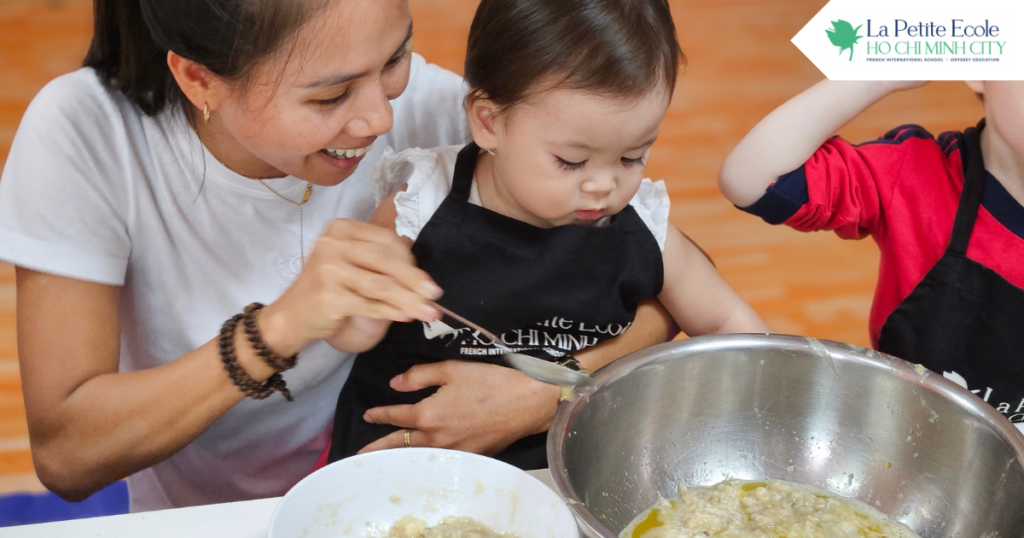
Families often wonder how to make learning fun for kids within a school setting, not only at home. At La Petite Ecole Ho Chi Minh City, enjoyment and engagement are integrated into daily classroom life while maintaining strong academic foundations.
Here is how learning remains meaningful and stimulating across different age groups.
Play-Based Learning in Early Years
In nursery, preschool, and early primary, playful exploration supports the development of core skills.
Children engage in:
- Hands-on discovery activities
- Story-based experiences
- Sensory exploration
- Guided and independent play
These experiences support language, early numeracy, and social development in ways that feel natural and enjoyable.
A Multilingual and Multicultural Environment
As an international French school in Ho Chi Minh City, La Petite Ecole Ho Chi Minh City brings together families from diverse backgrounds.
Children experience:
- Daily exposure to multiple languages
- Cultural traditions and celebrations
- Different perspectives within the classroom
This environment fosters open-mindedness and global awareness while keeping learning dynamic.
Project-Based Exploration
Longer projects allow children to explore topics in depth.
They may:
- Investigate science themes
- Create collaborative art pieces
- Present small research findings
Project work nurtures independence, sustained curiosity, and confidence.
Outdoor Learning Opportunities
Outdoor spaces are part of everyday school life.
Children:
- Explore natural elements
- Participate in movement-based activities
- Observe changes in their environment
Physical movement and fresh air often support focus and engagement.
Emotional Security and Positive Relationships
A joyful learning experience depends on emotional safety.
Children are encouraged to:
- Share ideas openly
- Reflect on progress
- Build respectful peer relationships
When children feel supported, they are more willing to explore and take intellectual risks.
Encouraging Curiosity Across Subjects
Engagement is integrated into all learning areas, including:
- Language and literacy
- Mathematics
- Science
- Arts and creative expression
By blending structure with creativity and independence, La Petite Ecole Ho Chi Minh City fosters confidence and a lasting enthusiasm for discovery.
Inspiring a Lifelong Love of Learning
Understanding how to make learning fun for kids goes far beyond adding games or rewards. It means nurturing curiosity, encouraging independence, and creating environments where children feel confident enough to explore, question, and grow.
Every child brings unique interests, cultural influences, and developmental rhythms. When adults observe carefully and respond thoughtfully, learning becomes joyful, meaningful, and sustainable over time.
At La Petite Ecole Ho Chi Minh City, playful exploration and emotional security are at the heart of the educational experience. When children feel inspired rather than pressured, learning becomes something they carry with them far beyond the classroom.
Would you like to see this approach in action? We warmly invite families to contact our admissions team or schedule a visit to discover how La Petite Ecole Ho Chi Minh City creates an engaging, supportive environment where every child can thrive.
- Phone: 028 3519 1521
- Email: contact@lpehochiminh.com
- Address: 172 – 180 Nguyen Van Huong, An Khanh Ward, Ho Chi Minh City
Frequently Asked Questions
1. How long should playful learning activities last?
This depends on age and temperament. Younger children often benefit from short, varied experiences. Older children may engage for longer periods if the topic interests them.
2. Do learning activities need to be carefully planned?
Not always. Many meaningful experiences arise spontaneously during daily routines.
3. What if my child prefers structured tasks?
Some children feel secure with clear expectations. Blending structure with creativity can support their confidence.