


How to Teach Kids to Swim: Building Water Confidence Through Play and Care
Swimming is more than a fun activity, it’s an essential life skill that keeps children safe and confident around water. For many families, knowing how to teach kids to swim can feel both exciting and challenging. From helping little ones feel comfortable in the water to guiding them through their first strokes, this journey is all about patience, encouragement, and understanding each child’s pace.
In this article, we’ll explore how parents can support their children in learning to swim, whether it’s through gentle water play, professional lessons, or family pool time. We’ll also cover key safety tips and practical advice to make swimming a positive and rewarding experience.
Why Swimming Matters for Children

Before exploring how to teach kids to swim, it’s important to understand why swimming plays such a meaningful role in childhood development. Beyond being a life skill, swimming nurtures both body and mind. It combines movement, rhythm, and play, three elements that support holistic growth in early years.
Here are some of the key benefits of swimming for children:
- Enhances overall strength and coordination
Swimming engages nearly every muscle group, helping children improve posture, balance, and body awareness. These physical foundations support other sports and daily movement. - Supports healthy breathing and heart function
Regular time in the water strengthens the lungs and heart. The steady rhythm of swimming also helps children regulate their breathing, which is beneficial for both physical endurance and calmness. - Encourages better sleep and appetite
Gentle exercise in water helps children release energy in a healthy way, leading to deeper sleep and a natural appetite after swimming sessions. - Improves focus and self-control
Swimming requires attention to rhythm, breath, and movement. Over time, children learn to stay focused on small goals, like floating or gliding smoothly, which fosters patience and concentration. - Builds self-confidence and independence
Every small milestone, putting their face in the water, kicking with both legs, or floating unassisted, gives children a sense of accomplishment and pride. - Fosters social connection
Group swimming experiences encourage teamwork, empathy, and communication, as children learn to take turns and support each other in the pool. - Promotes emotional well-being
Water has a calming effect. For many children, swimming becomes a joyful way to release stress, express emotions, and feel refreshed. - Strengthens the immune system
Moderate, regular exercise like swimming helps children stay active and resilient, supporting long-term health.
When to Start Teaching Kids to Swim
Parents often wonder: What’s the right age to start swimming lessons? The truth is, there isn’t one perfect age. It depends on your child’s comfort level, maturity, and exposure to water.
-
Infants (6–18 Months): Water Familiarity
At this stage, lessons should focus on fun and comfort. Simple activities like splashing, floating with parental support, or gentle kicks help babies feel relaxed in the water. Always keep sessions short and playful, the goal is not to swim independently but to enjoy the experience.
-
Toddlers (2–4 Years): Building Basic Skills
Toddlers can begin learning how to hold their breath, blow bubbles, and move through the water with help. You can practice these in shallow pools or during family swim time. Consistency and encouragement matter more than technique.
-
Preschoolers and Early School Age (4–7 Years): Independent Movement
At this stage, children are ready for more structured lessons. They can start floating, gliding, and coordinating arm and leg movements. This is often the best time to introduce formal instruction with qualified swim coaches.
-
Older Children (8+): Technique and Confidence
Older kids can refine their strokes and build stamina. If they’ve already learned the basics, this is a good time to introduce lap swimming, diving, or simple water safety drills.
Step-by-Step: How to Teach Kids to Swim
Every child learns differently, but following a clear, gradual approach helps ensure they progress confidently and safely. Here’s a practical, parent-friendly guide to how to teach kids to swim.
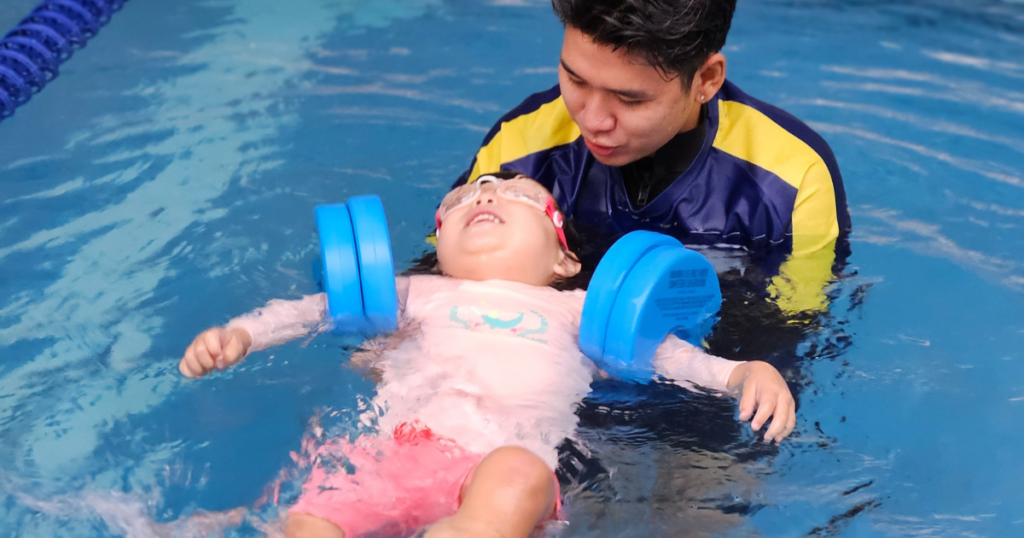
Step 1: Start with Water Confidence
Before teaching strokes, help your child feel at ease in the water. Begin in shallow areas where they can touch the bottom. Play simple games like scooping water, singing songs, or floating toys. Never rush this stage, emotional readiness comes before physical skills.
Step 2: Practice Breath Control
Learning to hold their breath and blow bubbles helps kids stay calm when water touches their face. Encourage them to take a deep breath, submerge their mouth or nose, and exhale slowly into the water. Make it fun, try bubble races or blowing through a straw.
Step 3: Floating and Gliding
Teach back and front floating with gentle support. Use phrases like “starfish” (arms and legs spread) to help them visualize the position. Gradually reduce your assistance as they gain balance. Floating helps children trust the water’s buoyancy, an essential foundation for all strokes.
Step 4: Arm and Leg Coordination

Once floating feels natural, introduce arm pulls and flutter kicks. Demonstrate the movement on land first, then in shallow water. Hold your child’s hands while they kick, or use a kickboard for support. Keep sessions short to avoid fatigue.
Step 5: Combine Movements and Move Independently
Encourage your child to put everything together, kicking, pulling, and breathing. Start with short distances, using plenty of praise. A few seconds of independent movement can feel like a big victory.
Step 6: Introduce Basic Strokes
After mastering floating and breathing, introduce simple versions of freestyle or backstroke. Focus on smooth, rhythmic movements rather than speed. If possible, let a certified swim instructor guide this stage to ensure proper form.
Water Safety Essentials Every Parent Should Know
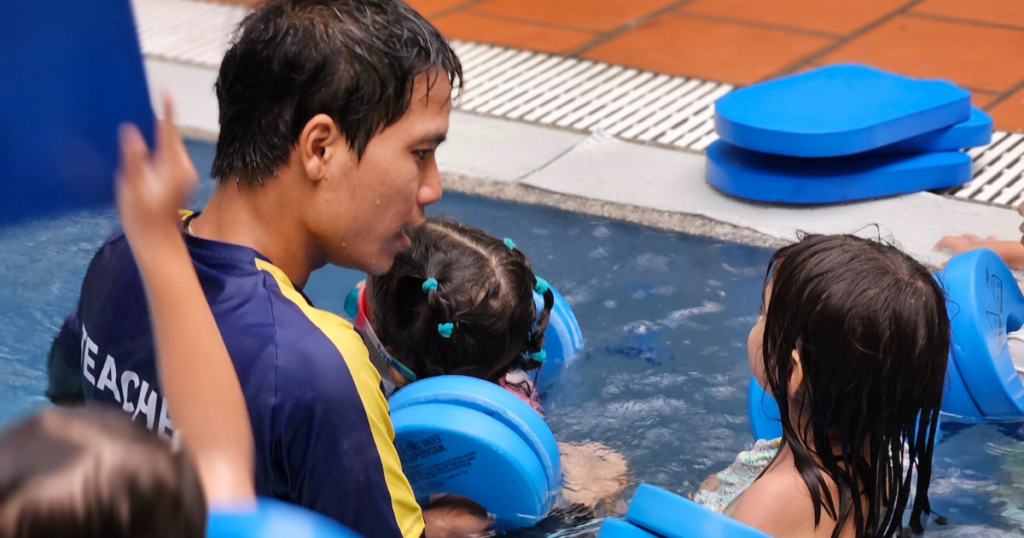
Swimming skills are vital, but safety awareness is equally important. Parents play a central role in creating safe swimming habits.
Read more: Why the Role of Family in Child Development Matters More Than Ever
-
Always Supervise
Never leave children unattended near water, even for a few seconds. Designate a responsible adult to keep watch at all times, especially during pool parties or holidays.
-
Teach Basic Rules
Children should learn simple safety guidelines early:
- Always ask before entering the water.
- No running near the pool.
- Avoid pushing or dunking others.
- Leave the water immediately if feeling tired or cold.
-
Use Proper Safety Gear
While floatation devices can be helpful, they should never replace active supervision. Choose life jackets approved by recognized safety standards for open-water activities.
-
Learn CPR
Parents and caregivers should know basic CPR and first aid. These skills can make a life-saving difference in emergencies.
The Role of Professional Swim Lessons
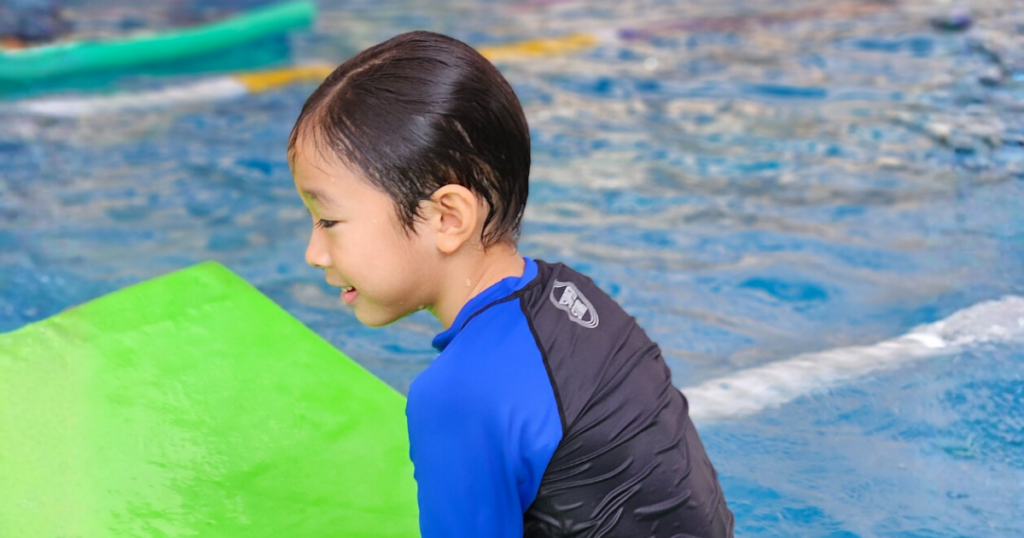
Even the most confident parents can benefit from professional guidance. Certified swim instructors have specialized training to teach technique, monitor safety, and encourage progress at the right pace.
1. Benefits of Formal Lessons
- Structured Learning: Instructors follow proven progressions suited to each child’s level.
- Consistent Practice: Scheduled classes ensure regular exposure to water.
- Peer Motivation: Children often learn faster when surrounded by others at a similar stage.
- Confidence Boost: A supportive instructor helps children feel capable and proud of their progress.
2. Choosing the Right Program
Look for programs that:
- Maintain small class sizes.
- Include parental involvement for younger learners.
- Offer age-appropriate certifications (e.g., water safety, basic stroke mastery).
At La Petite Ecole Ho Chi Minh city, swimming is more than just a skill, it’s one of the school’s enriching co-curricular activities, designed to support children’s overall development.
Through these swimming sessions, children gain water confidence in a safe and nurturing environment. Each lesson combines gentle exposure, fun challenges, and encouragement from trusted adults. The goal is to help every child feel comfortable, capable, and curious in the water, reflecting our belief in learning through experience and play.
Encouraging a Positive Relationship with Water at Home
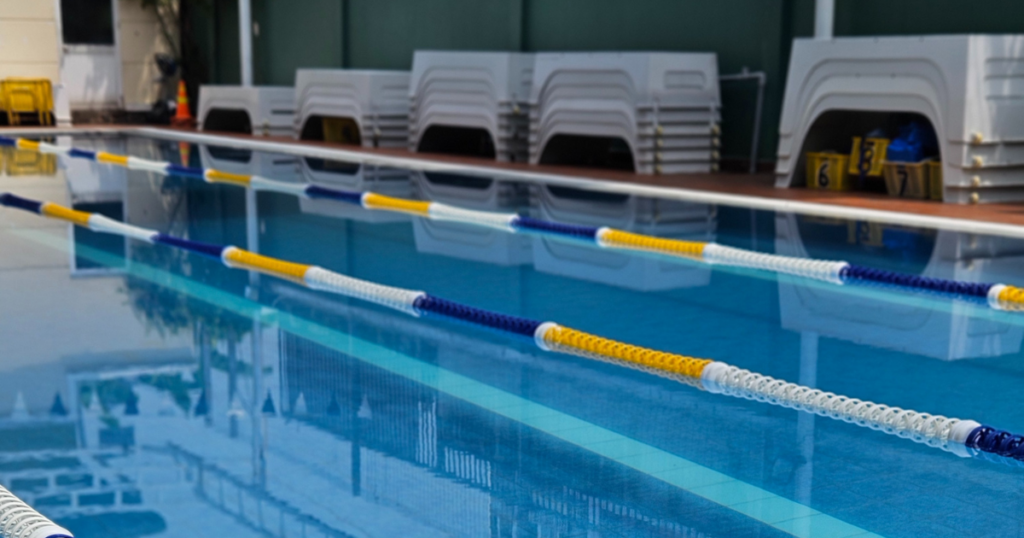
Learning to swim doesn’t end at the pool. Families can nurture water confidence through everyday moments and playful activities.
-
Bath Time Fun
Turn bath time into a mini swimming experience. Let children pour water, blow bubbles, or float toys. These activities strengthen comfort with water in a safe, familiar environment.
-
Pool or Beach Days
If possible, visit pools or calm beaches regularly. Encourage exploration without pressure. Bring toys, goggles, or floating rings to make the experience enjoyable.
-
Celebrate Progress
Every milestone deserves recognition, whether it’s the first unassisted float or a full lap. Praise effort more than results, helping children associate swimming with joy rather than fear.
Swimming as a Journey of Growth
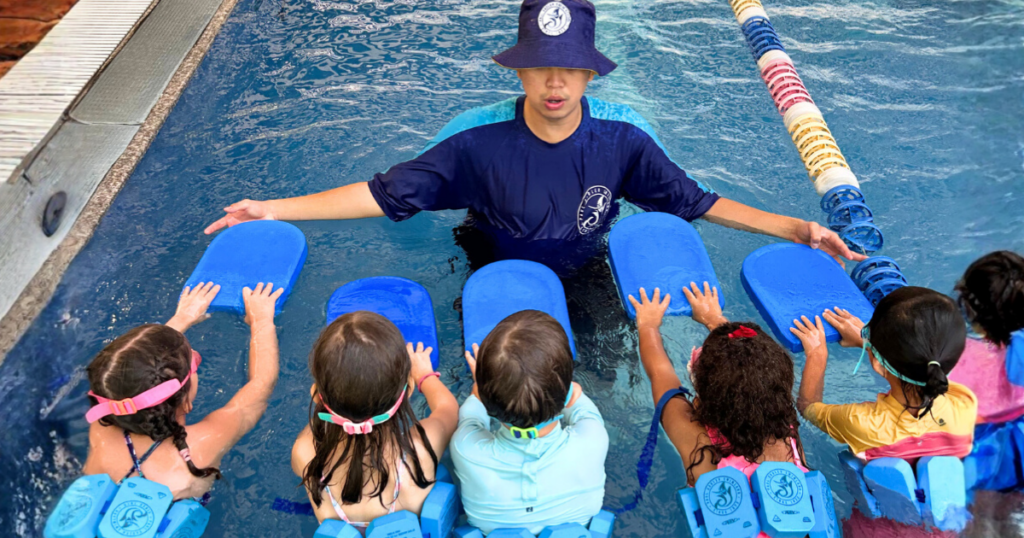
Swimming offers children so much more than movement in the water. It nurtures confidence, resilience, and joy, giving them space to explore their abilities at a pace that feels right for them. Each splash, float, and gentle glide supports both physical development and emotional well-being in a warm, encouraging environment.
At La Petite Ecole Ho Chi Minh city, swimming is woven naturally into school life. As we follow the French national curriculum, swimming lessons are included in the regular Physical Education program for all class levels. Children have the chance to build water confidence step by step during their school day, guided in a way that respects their pace and comfort. We also have swimming available as a fun extracurricular activity for those who want even more time in the pool!
If you’re searching for an international school where children grow through meaningful experiences, playful exploration, and a balanced academic journey, La Petite Ecole Ho Chi Minh City is happy to welcome you. Contact us to learn more about our nurturing environment and the many opportunities we offer to help children flourish every day.
- Phone: 028 3519 1521
- Email: contact@lpehochiminh.com
- Address: 172 – 180 Nguyen Van Huong, An Khanh Ward, Ho Chi Minh city
Frequently Asked Questions About Teaching Kids to Swim
1. What if my child refuses to go in the water?
Start small. Try splashing near the edge, then progress gradually. Never force immersion, comfort and trust come first.
2. Should I use floaties or arm bands?
They can provide support, but they should never replace supervision. Choose certified floatation aids, and let children practice swimming without them when safe to do so.
3. How long does it take for kids to learn to swim?
It varies by age, confidence, and exposure. Some children gain basic skills in a few weeks, while others need several months. Consistency is key.
4. Can I teach my child to swim myself?
Absolutely, many parents do, especially during early stages. Just ensure safety at all times and consider professional lessons for advanced techniques.
5. What if my child has a fear of deep water?
Start in shallow areas and build confidence slowly. Gradual exposure, reassurance, and positive reinforcement will help them overcome anxiety.