


Positive Parenting Tips: How to Connect, Empathize, and Nurture Your Child
Parenting is an emotional and rewarding journey, where every decision can shape a child’s growth and happiness. Positive parenting not only helps children learn to manage their emotions, develop independent thinking, and build social skills, but also fosters a strong, trusting bond between parents and their children.
This article explores key principles and considerations for practicing positive parenting, while also offering guidance on choosing the right learning environment to support children in growing confidently, independently, and holistically at every stage of their development.
What Is Positive Parenting?
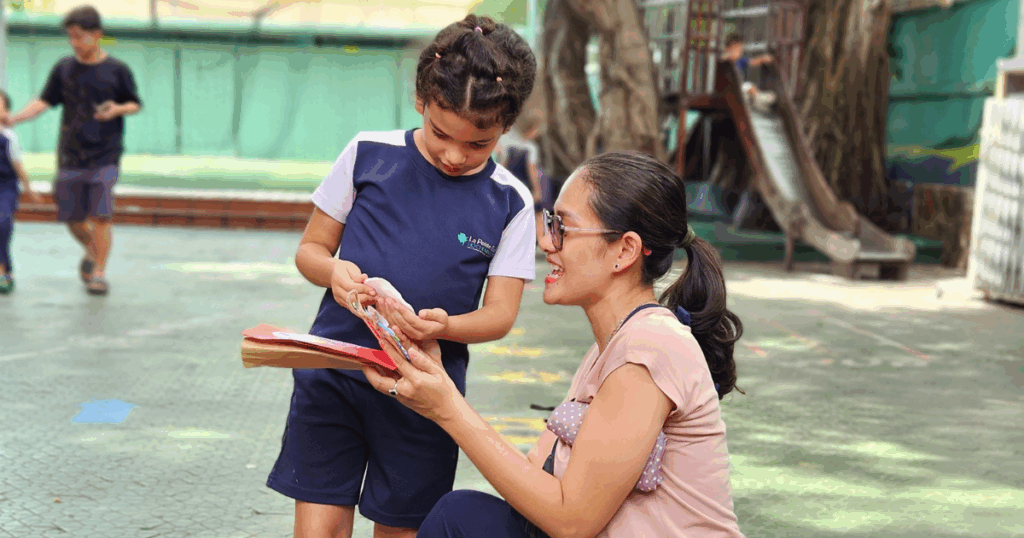
Positive parenting is an approach many families choose to build warm, respectful, and balanced relationships with their children. Every child comes with their own cultural background, personality, and experiences, so the journey of guidance is often flexible rather than following a fixed formula. The common goal is to provide children with the space to develop confidence, independence, responsibility, and curiosity.
When children feel understood and respected, they are more likely to express their emotions, communicate naturally, and notice the feelings of others. This approach prioritizes connection and empathy over control or authority.
Positive Parenting Tips: Ways to Strengthen Connection Between Parents and Children
Based on the principles of positive parenting, here are gentle suggestions that can help families naturally build connection each day. These are not rigid rules but serve as inspiration for each family to adapt according to their child’s personality, routines, and cultural background.
Read more: Why the Role of Family in Child Development Matters More Than Ever
1. Show empathy
Every emotion a child expresses is usually linked to an underlying need. When parents recognize this and respond with understanding, children tend to calm down and express their wishes with words. Empathy not only helps children feel heard but also nurtures their ability to use language to communicate thoughts and feelings.
2. Give your full attention during conversations
When a child wants to share, what they need most is often your genuine presence. You can:
-
Look at them with attentive eyes
-
Put your phone down or pause your work
-
Use open-ended prompts like, “How did that make you feel?”
When children sense their parents’ presence, they are more likely to open up and see home as a safe space to express emotions.
3. Spend quality time together
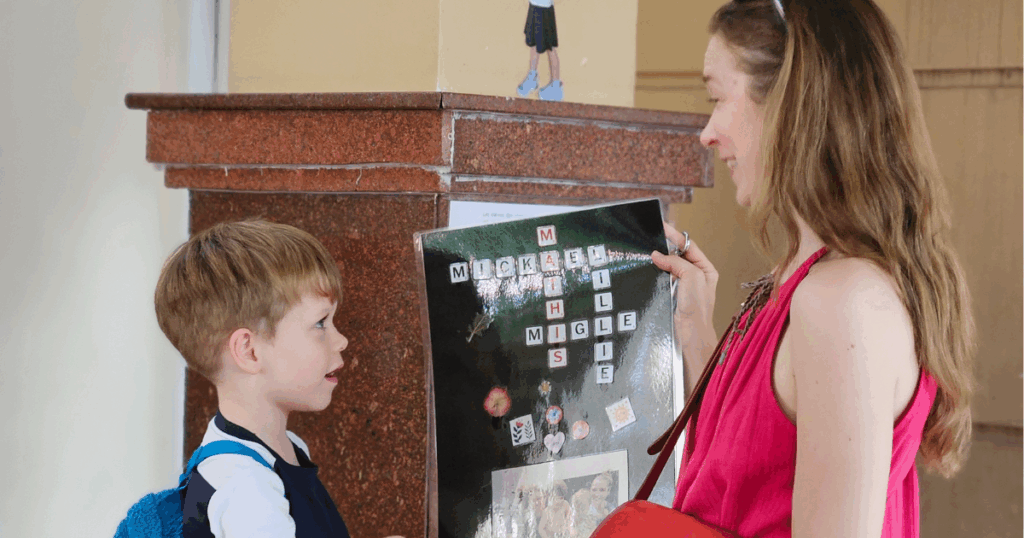
Even just 10–15 minutes of focused, quality time each day can make children feel valued. Examples include:
-
Cooking a simple meal
-
Playing a small game
-
Tidying up a corner of the house together
The key is closeness and enjoyment, not the duration.
4. Acknowledge and name emotions
Young children may not yet know how to express what they’re feeling. Parents can help by gently suggesting words:
-
“Are you feeling sad because your toy broke?”
-
“I can see you’re a bit upset. Would you like a hug?”
When emotions are recognized and respected, children feel more comfortable and trusting of their relationship with their parents.
5. Invite participation rather than giving direct commands
Children cooperate more easily when invited to take part rather than being ordered. Open-ended questions help children think independently and feel valued:
-
“What do you think we can do to keep the room tidy?”
-
“How do you think we can help your sibling not get hurt?”
This approach encourages thinking while strengthening connection, as children feel seen and heard.
6. Maintain gentle and consistent boundaries
Children feel secure when they know what is appropriate in the family. When reminding them of rules, use positive language:
-
“We sit on the sofa to stay safe.”
-
“Raise your hand when you want to speak so everyone can hear you clearly.”
Positive phrasing helps children accept and follow rules willingly.
7. Encourage natural opportunities to correct mistakes
Making mistakes is a normal part of growing up. Instead of avoiding them, parents can:
-
Observe what happened together
-
Suggest next steps
-
Encourage the child to take responsibility within their ability
For example: “The milk spilled. What do you think we should do next?”
This builds a sense of responsibility without pressure.
8. Praise specific positive actions
Specific praise helps children understand exactly what they are doing well:
-
“You carefully put your clothes away; I’m proud of you.”
-
“You waited your turn, which made everyone feel comfortable.”
Such praise nurtures confidence and intrinsic motivation.
9. Allow children the right to make mistakes
No one is perfect, including children and parents. When mistakes happen, view them as opportunities for children to learn about emotions, problem-solving, and starting over.
If parents occasionally lose their temper, apologizing teaches children that everyone makes mistakes and that it’s okay.
10. Model calmness and respect
Children quickly absorb what they observe daily. When parents communicate with respect, patience, and flexibility, children naturally adopt these values.
Key Considerations for Positive Parenting
Positive parenting is a journey of mutual learning, understanding, and growth between parents and children. The following principles can help parents create a safe, warm environment that encourages children to be confident, cooperative, and able to self-regulate their behavior.
-
Positive parenting is about accompanying your child over time. Put yourself in your child’s shoes to better understand their perspective.
-
Every child has a unique background, personality, and experiences, so approaches should be flexible and tailored to each family.
-
Providing a safe and stable environment helps children feel secure, making it easier for them to open up and share their emotions.
-
Practice active listening and respect your child’s boundaries, allowing them to fully express their thoughts and feel understood.
-
Offer age-appropriate choices, such as picking clothes or selecting a meal from what you’ve prepared, so children feel a sense of voice and responsibility.
-
Set expectations that are appropriate for each stage of development and family culture, avoiding unnecessary pressure or comparisons.
Positive Parenting as a Journey of Connection

Positive parenting not only shapes how children learn to manage emotions, develop thinking skills, and form personal values, but also influences how they experience the world around them. When children are raised in a warm, respectful, and understanding family, these positive habits are most effective when paired with the right learning environment.
Choosing the right educational environment helps children continue developing the skills and values fostered by positive parenting:
-
Children are encouraged to think independently and take initiative.
-
Children learn respectful communication, cooperation, and empathy with peers and teachers.
-
Children experience a safe, nurturing environment where creativity and exploration are valued.
At La Petite Ecole Ho Chi Minh City, we provide an international learning environment that emphasizes partnership with families, supporting children’s holistic development in language, emotional, social, and cognitive skills. By combining positive parenting at home with a supportive educational environment, children gain a strong foundation to grow into confident, proactive, and happy individuals throughout their learning journey.
Contact La Petite Ecole Ho Chi Minh City to discover how we collaborate with families to help children inherit and benefit from the positive values fostered both at home and at school.
- Phone: 028 3519 1521
- Email: contact@lpehochiminh.com
- Address: 172 – 180 Nguyen Van Huong, An Khanh Ward, Ho Chi Minh city
Source: Naître et grandir magazine, March 2018
Researcher and writer: Nathalie Vallerand
Scientific review: Annie Goulet, psychologist