

Understanding the Importance of Arts Education in Early Childhood
Art has always held a gentle, memorable place in childhood. Many families recall the excitement of opening a fresh paint set or the joy of putting on a small play at home. For young children, these creative moments are far more than simple entertainment. They offer space to explore ideas, express emotions, and better understand themselves as they grow in a constantly changing world.
This article explores why arts education matters, how it supports children in different areas of development, and how La Petite Ecole Ho Chi Minh city incorporates artistic experiences into our bilingual and multicultural environment.
What Arts Education Means for Young Children
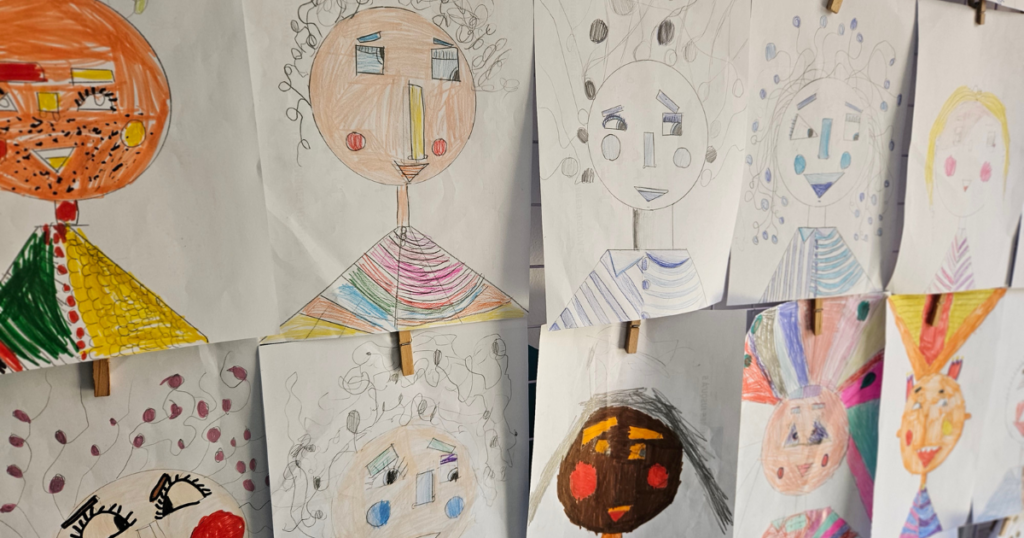
Arts experiences in early childhood go far beyond drawing and coloring. Children explore a wide variety of creative forms, including:
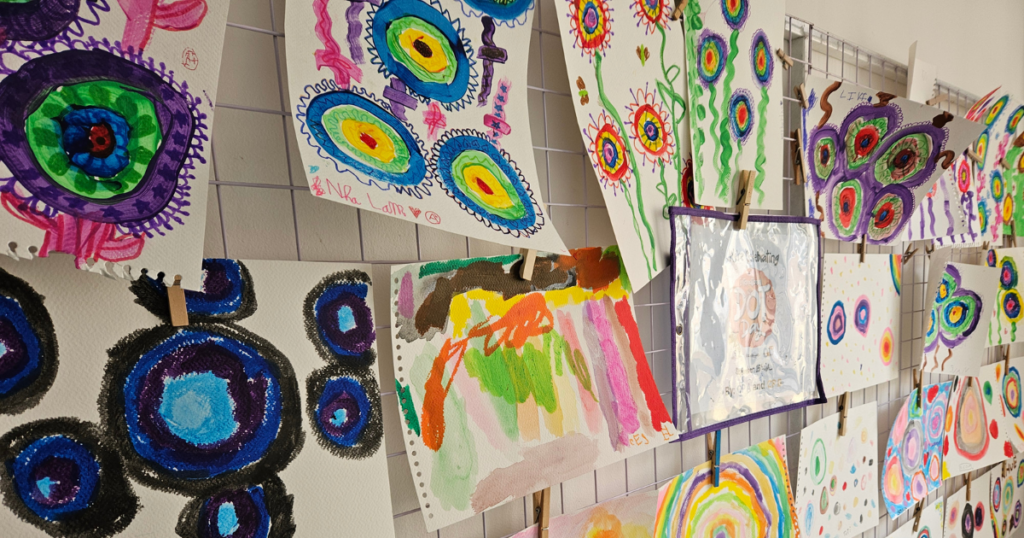
- Visual arts: painting, drawing, and sculpture
- Music and rhythm: singing, instruments, and beat exploration
- Movement and dance: imaginative movement and creative expression
- Crafts and hands-on creation: using different materials to make projects
- Storytelling: creating narratives, puppet shows, and imaginative play
- Drama and role-play: acting out stories, improvisation, and group performances
- Guided creative workshops: collaborative and structured creative activities
Read more: 15 Fun and Creative Music Games for Preschoolers
These activities help children express ideas, explore problem solving, discover new perspectives, and build confidence through open-ended exploration.
Art can also become a personal language.
- Some children express feelings more comfortably through color, sound, or movement than words.
- Others use music, drama, or storytelling to explore relationships, ideas, or new concepts.
Creative experiences can appear throughout the day, in science, language, cultural activities, or collaborative projects, helping children make connections between ideas while reinforcing curiosity and self-expression.
Cognitive and Academic Benefits of Arts Education
Arts experiences do not replace academic learning. They strengthen it. When children engage in creative activities, their brains make connections that support memory, problem solving, and flexible thinking. These benefits appear gradually and uniquely for each child, and they often contribute to stronger academic readiness and engagement.
Read more: Right Brain Education: Enhance the Creative Side for Children in 8 Effective Ways
1. Developing Problem Solving and Critical Thinking
Creative exploration helps children make choices, evaluate options, and adjust their plans. For example, children may:
- mix colors to achieve a new shade
- rearrange shapes to build a design that feels balanced
- rethink how to act out a story for classmates
- reshape a clay model until it matches their vision
These moments build confidence in decision-making and encourage children to consider alternatives. This type of thinking later supports subjects such as science, reading comprehension, mathematics, and language development.
Read more: How to Practice Critical Thinking for Kids
2. Connecting Ideas Across Subjects
Arts experiences help children understand academic ideas through concrete, enjoyable activities. For example:
- Science: illustrating the life cycle of a butterfly or building a plant model
- Language: expanding vocabulary through storytelling, puppetry, and dramatic play
- Mathematics: exploring patterns, shapes, proportions, or symmetry through hands-on creation
Creative exploration helps children see how knowledge connects across different areas. Learning becomes fluid, meaningful, and exciting.
3. Strengthening Memory and Focus
Creating art encourages children to use memory, planning, and attention. Activities such as:
- preparing a simple music performance
- remembering steps in a craft project
- organizing materials for a group creation
all help children develop focus. Because these tasks are enjoyable and child-led, concentration often feels natural and rewarding.
4. Encouraging Motivation and Academic Engagement
When learning feels joyful, children are more motivated to participate. Creative activities give children a sense of pride and help them feel connected to school life.
Many families notice that their children speak enthusiastically about artwork they created, songs they practiced, or stories invented with friends. This excitement supports a positive attitude toward learning that influences all areas of development.
Emotional, Social, and Well-Being Benefits of Arts Education
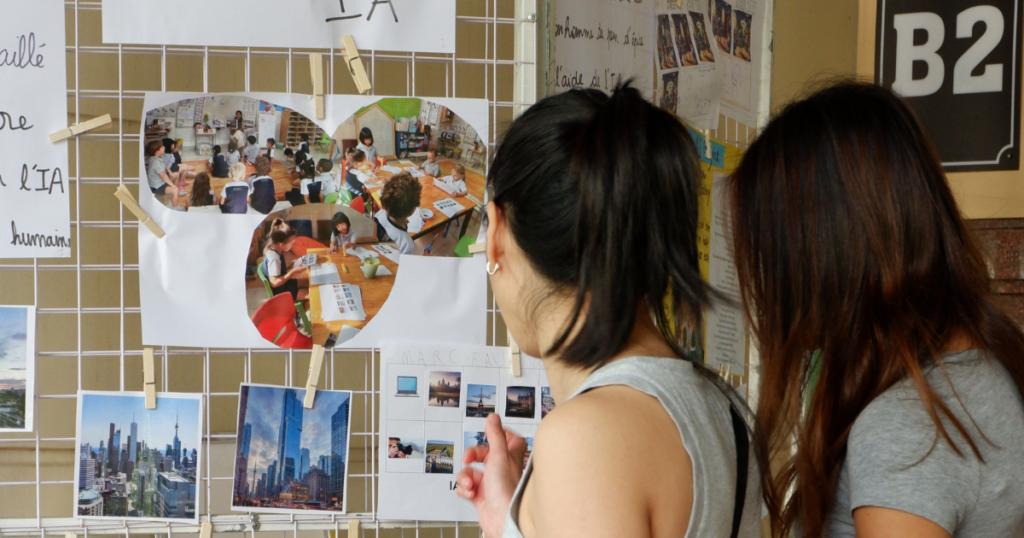
Young children experience a wide range of emotions each day. Arts education provides safe spaces for these emotions to be understood, expressed, and managed in healthy ways. Creative activities can be calming for some children, energizing for others, and especially helpful for children who need support expressing complex feelings.
1. Emotional Expression and Self-Awareness
Art allows children to express emotions they may not yet be able to put into words. Activities like:
- painting
- storytelling
- music
- movement and dance
offer children safe ways to explore excitement, curiosity, sadness, or questions. These experiences strengthen emotional understanding, resilience, and comfort with reflection.
2. Building Confidence and Self-Reliance
Completing a painting, performing a short play, or sharing an idea in class helps children develop a sense of ownership and self-worth. They learn that their ideas have value and gain confidence in creating, problem-solving, and expressing themselves.
3. Fostering Social Connections and Empathy
Group arts activities encourage cooperation, communication, and respect. Children learn to:
- listen and share ideas
- compromise and collaborate
- encourage each other
These experiences build empathy and help children understand different perspectives, especially in a multicultural school environment like La Petite Ecole Ho Chi Minh City, where children interact with diverse backgrounds, languages, and traditions.
4. Supporting Well-Being
Research shows that creative activities can:
- reduce stress
- improve mood
- support emotional balance
The gentle rhythm of painting, the joy of singing, and the excitement of imaginative play all help children feel grounded and secure. At La Petite Ecole Ho Chi Minh City, creative experiences are carefully designed to support well-being and provide comfort during periods of transition or change.
Read more: Children’s Wellbeing: A Holistic Approach to Growth and Happiness
How Arts Support Physical and Motor Development
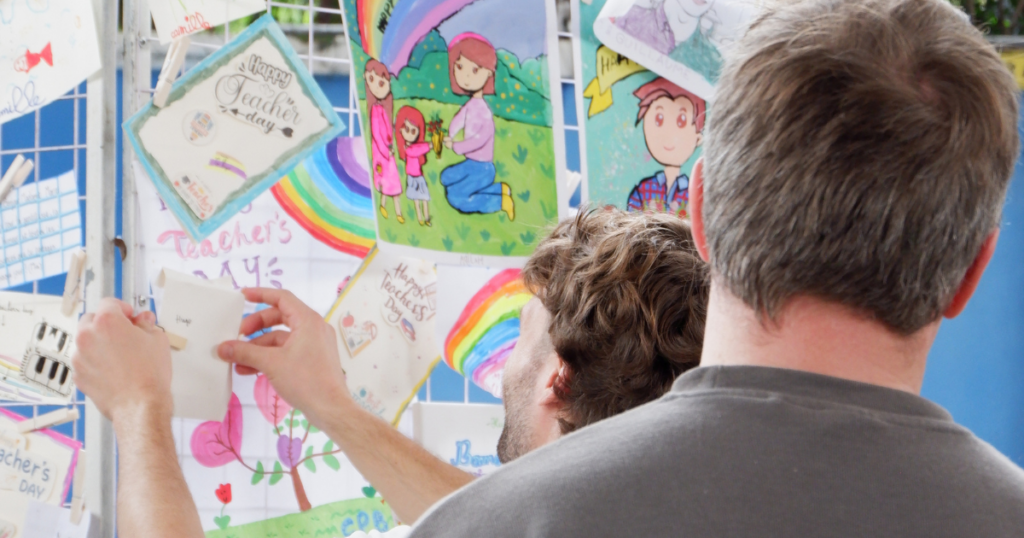
Arts education also supports physical development. Different activities strengthen fine and gross motor skills, coordination, and body awareness.
1. Fine Motor Skills
Activities that develop fine motor skills include:
- holding a paintbrush
- shaping clay or playdough
- threading beads or assembling small crafts
These experiences improve dexterity and hand-eye coordination, which later support writing, typing, and handling small tools.
Read more: What Is Fine Motor Skills? A Small Step Toward Big Growth
2. Gross Motor Skills
Movement-based arts help strengthen gross motor skills, including:
- drama games and role-play
- dance and rhythmic movement
- imaginative movement and active storytelling
These activities develop control, balance, and physical confidence, while encouraging children to express themselves with their whole body.
Read more: What Are Gross Motor Skills? Age-Appropriate Gross Motor Activities
3. Patience and Persistence
The creative process also teaches children that not everything needs to be done quickly. They learn to:
- take their time exploring possibilities
- revisit projects to improve or refine them
- stay resilient when faced with challenges
This helps children develop patience, perseverance, and confidence in their abilities.
Arts, Culture, and Building Personal Identity
Arts education also supports cultural awareness and the development of a personal sense of identity. In a bilingual and international environment, creativity becomes a powerful tool for exploring heritage and shared experiences.
1. Exposure to Diverse Artistic Traditions
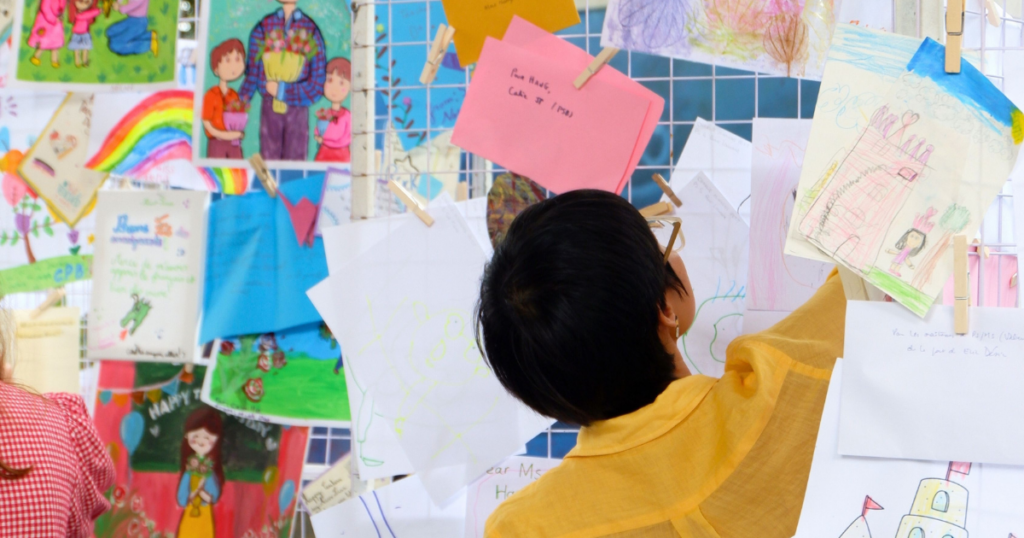
Children explore local art, crafts, music, and stories, as well as artistic practices from France, English-speaking countries, and other cultures represented in the school community. This helps children appreciate diversity and understand that creativity can take many forms.
2. Building Personal Identity
Through drawing, storytelling, performing, or crafting, children explore who they are and what they enjoy. Creative expression helps children develop a sense of belonging and identity.
3. Encouraging Global Awareness
Sharing artwork from their families or participating in school events celebrating cultural diversity helps children understand that the world is full of different perspectives. These experiences encourage children to grow into open-minded and empathetic individuals.
How La Petite Ecole Ho Chi Minh City Encourages Arts in Daily Life
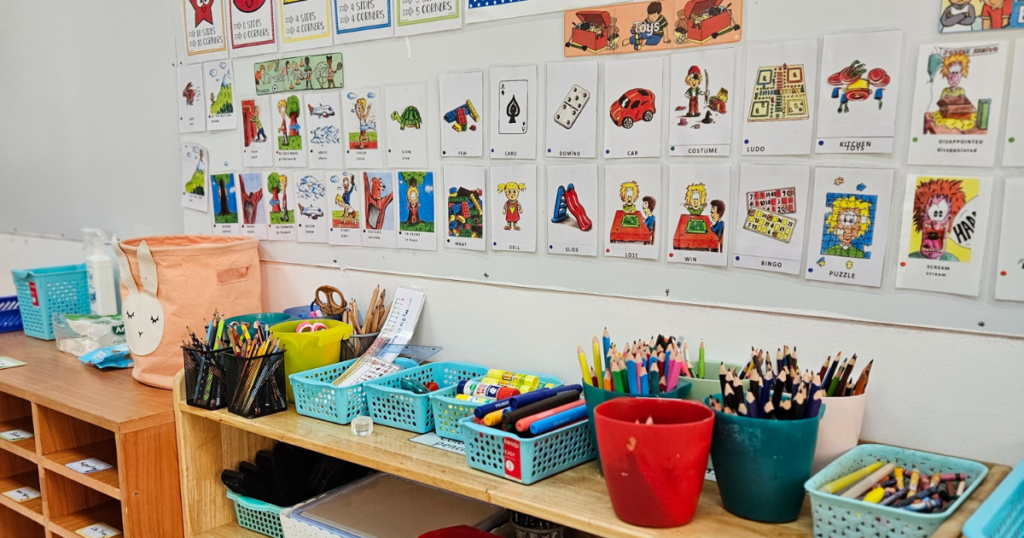
At La Petite Ecole Ho Chi Minh city, arts education is part of everyday learning. Children are surrounded by a rich creative environment where they can explore materials, experiment with ideas, and collaborate with friends.
1. Creative Spaces and Materials
Children have access to creative corners and ateliers filled with a variety of materials, including:
- paint, markers, and crayons
- fabrics, recycled objects, and craft supplies
- natural items such as leaves, shells, stones, and flowers
These spaces encourage open-ended exploration, allowing children to engage at their own pace and follow their individual interests. Incorporating natural materials also helps children connect creativity with the environment and develop curiosity about the world around them.
2. Exploring the Natural World
Children are encouraged to explore nature as part of the creative process. Outdoor activities such as:
- collecting leaves, flowers, or pebbles for art projects
- observing plants, insects, or seasonal changes
- sketching or painting natural landscapes
allow children to combine creativity with environmental discovery, fostering observation skills, curiosity, and an appreciation for the natural world.
3. Guided Experiences with Educators
Trained educators observe children closely and provide gentle guidance without taking over the creative process. By asking questions, encouraging reflection, and supporting experimentation, educators help children gain confidence, independence, and meaningful self-expression.
4. Integrating Creativity into the Curriculum
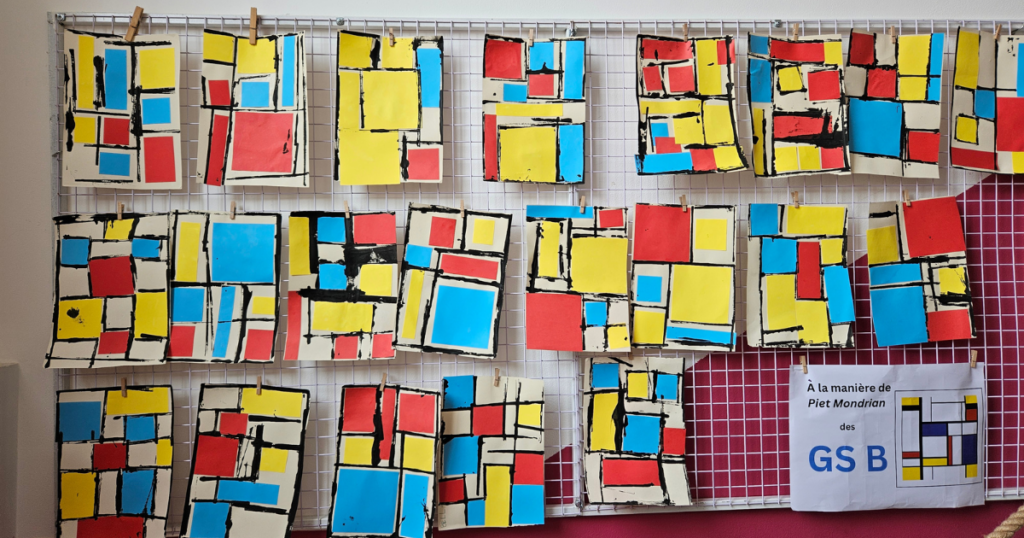
Creativity appears across the day, not just in art class. Children experience creative learning through:
- science experiments and nature-based projects
- language and storytelling activities
- cultural events and performances
- daily workshops and collaborative projects
This integrated approach helps children connect knowledge across subjects, encourages curiosity, and keeps learning engaging and dynamic.
5. Community Involvement
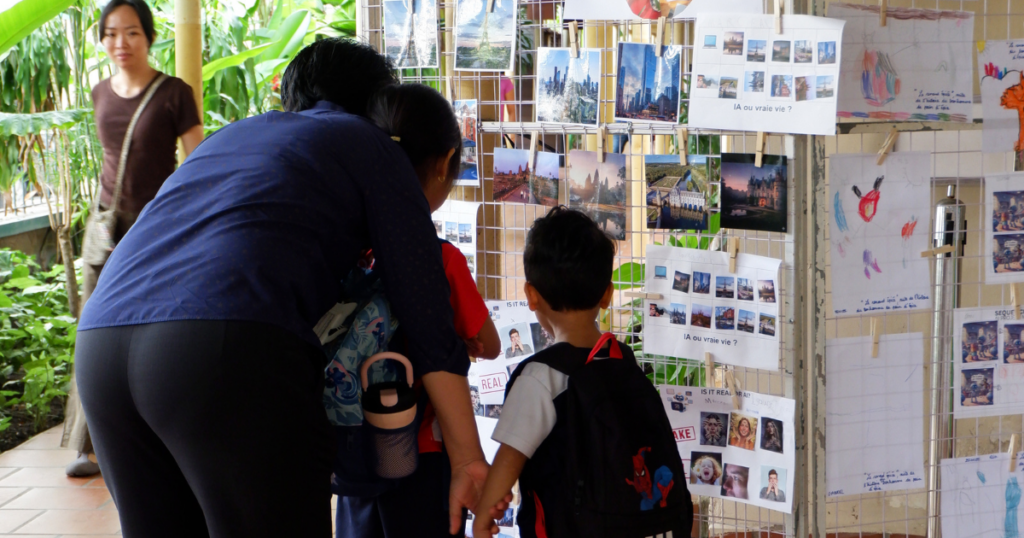
Families are invited to exhibitions, performances, and creative events, strengthening the connection between home and school. Children take pride in sharing their creations, which reinforces confidence and a sense of accomplishment.
Common Myths About Arts Education
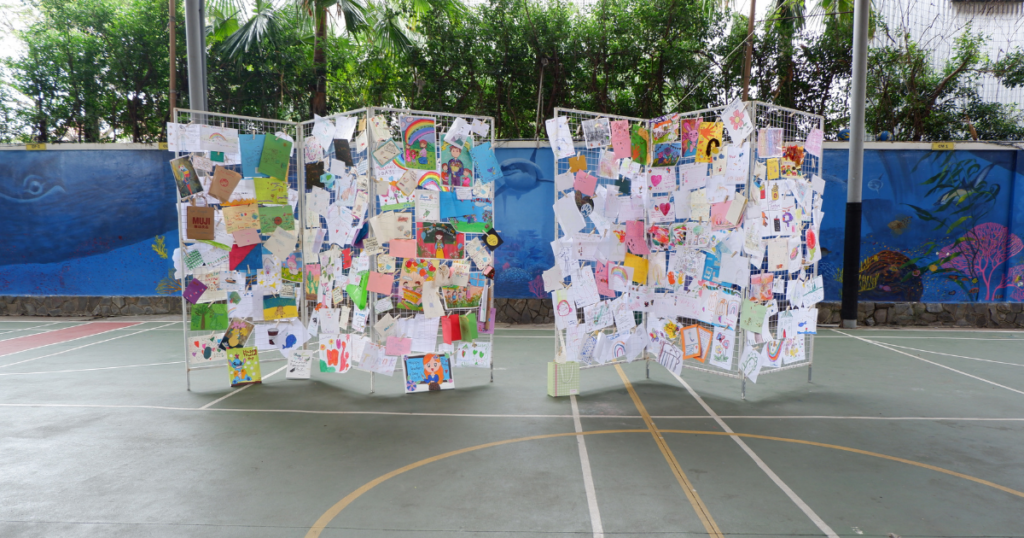
Families sometimes hear conflicting messages about the role of art in education. Here are a few common misunderstandings.
Myth 1: Art is just for fun
Creative experiences are enjoyable, but they also support cognitive growth, emotional well-being, and academic readiness.
Myth 2: Only naturally artistic children benefit
Every child can enjoy creative exploration. Arts education at La Petite Ecole focuses on process, expression, and growth rather than talent.
Myth 3: Art is separate from academic subjects
In reality, artistic experiences strengthen memory, language, science skills, and mathematical thinking.
Why Arts Education Builds a Strong Foundation for Lifelong Learning
Arts education gives children space to grow emotionally, socially, academically, and creatively. At La Petite Ecole Ho Chi Minh city, artistic experiences are part of everyday life because they help children explore the world with confidence, curiosity, and joy. Through painting, music, drama, and storytelling, they discover new ways to communicate, connect, and express who they are.
Families who value creativity will find that La Petite Ecole Ho Chi Minh city offers an environment where children feel encouraged to explore ideas, take initiative, and celebrate their individuality. Creative learning supports well-being, strengthens community, and prepares children for a future where innovation and empathy matter more than ever.
If you would like to learn more about how creativity supports children at La Petite Ecole Ho Chi Minh city, we warmly invite you to contact our team or schedule a visit. Our educators would be delighted to share how we foster creativity every day and how your child can grow in our nurturing environment.
- Phone: 028 3519 1521
- Email: contact@lpehochiminh.com
- Address: 172 – 180 Nguyen Van Huong, An Khanh Ward, Ho Chi Minh city